
Attraction in Tanzania
Southern Serengeti
About Southern Serengeti
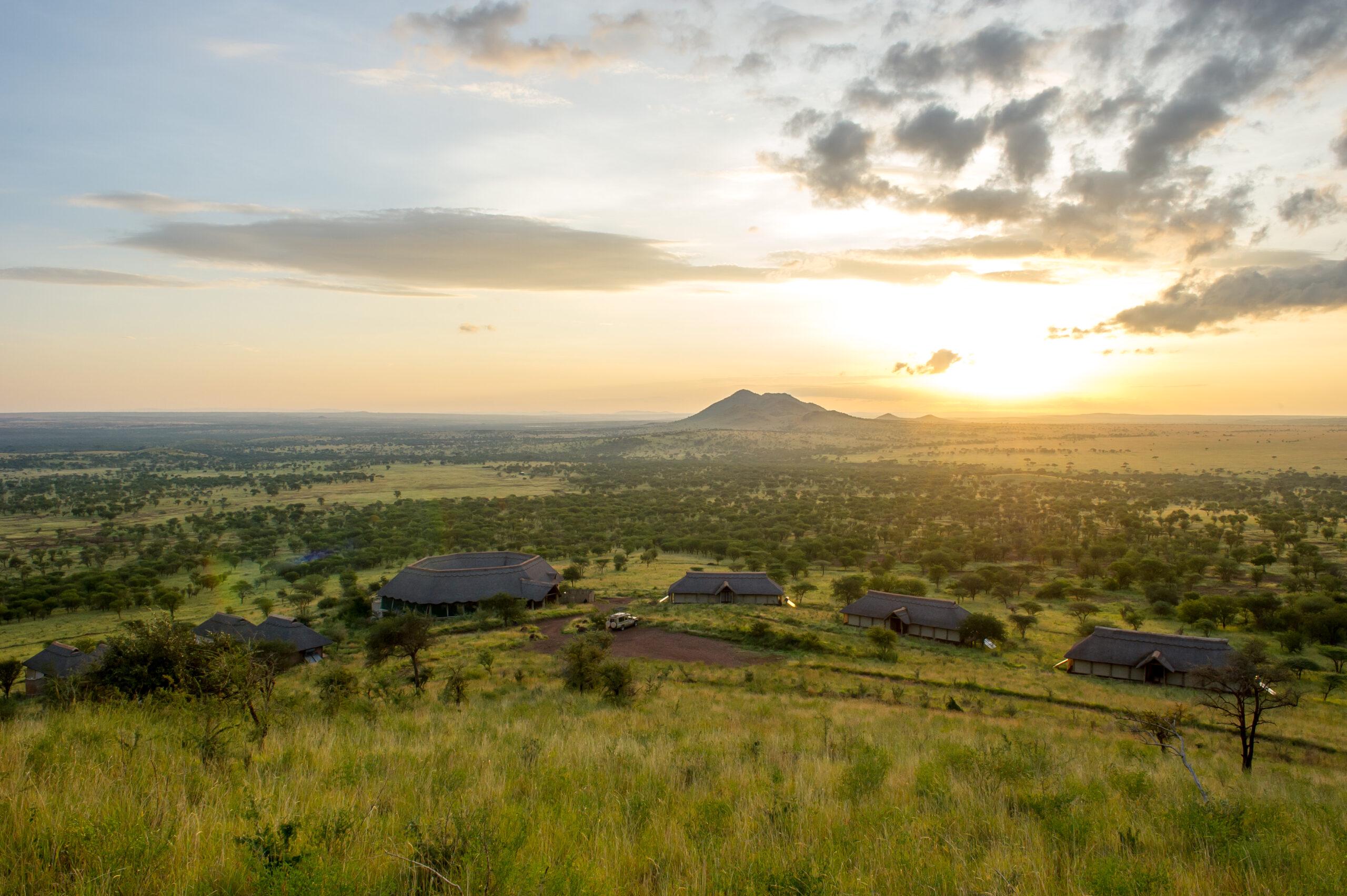
Southern Serengeti is a significant geographical region in northern Tanzania, forming a crucial part of the larger Serengeti ecosystem, which extends into southwestern Kenya. Known for its vast, seemingly endless short-grass plains dotted with granite kopjes, the area stretches from the central Serengeti to the Ngorongoro Conservation Area and Maswa Game Reserve. This landscape is a classic representation of the Serengeti, characterized by its open expanses and diverse habitats, including riverine forests and woodlands. The region's altitude ranges from 920 to 1,850 meters, with mean temperatures typically between 15 and 25 °C. It experiences two rainy seasons, from March to May and a shorter one in October and November, which influence the movement of wildlife.
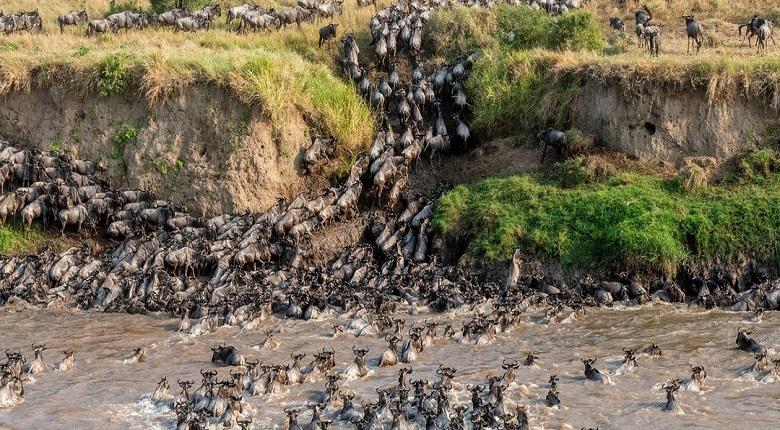
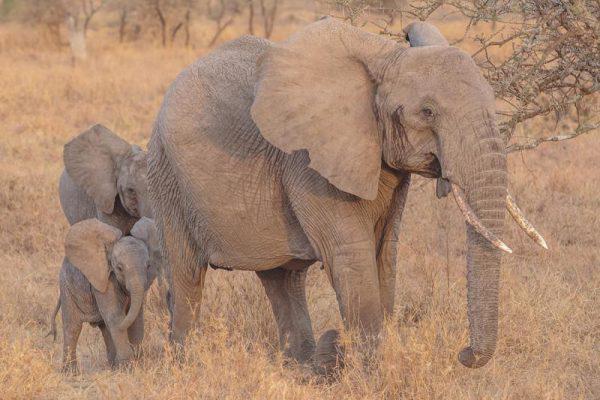
The Southern Serengeti is globally renowned as the primary calving ground for the Great Wildebeest Migration, one of the world's largest land animal migrations. Between December and May, particularly from January to March, hundreds of thousands of wildebeest, along with zebras and gazelles, gather on these fertile plains to give birth, with approximately 500,000 calves born within a few weeks in February. This immense concentration of young herbivores attracts a high density of predators, including lions, leopards, cheetahs, and spotted hyenas, making it an exceptional area for wildlife viewing and photography. The region is home to about 70 large mammal species and over 500 bird species, including eland, bat-eared foxes, ostrich, and secretary birds.
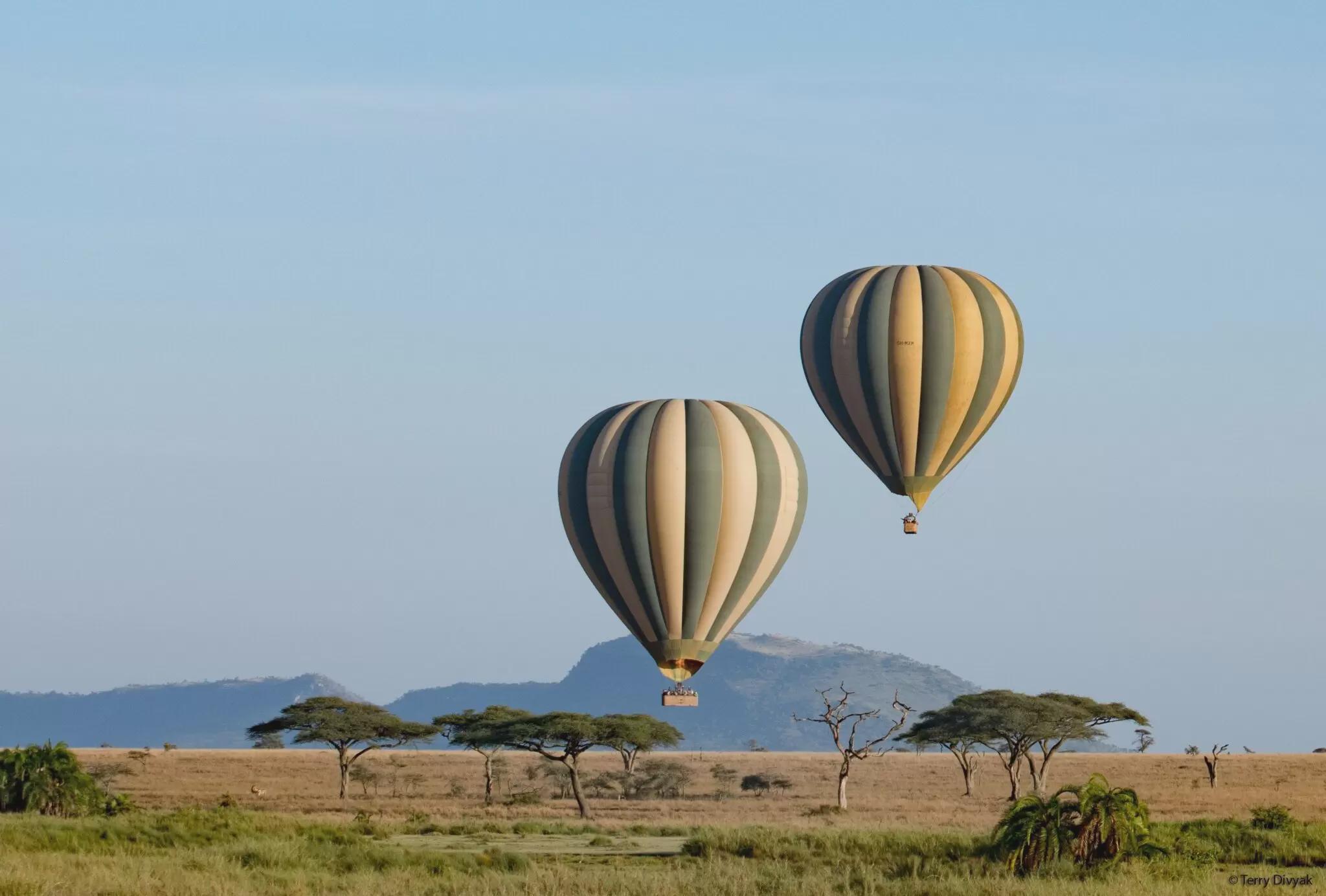
Beyond game drives, which are the main activity, visitors to the Southern Serengeti can also experience walking safaris and hot air balloon rides, offering unique perspectives of the expansive plains and their inhabitants. Unlike some other parts of the national park, certain areas of the Southern Serengeti, particularly those outside the main park boundaries, permit off-road driving. Conservation efforts, such as the Serengeti Cheetah Project, are active in the region, focusing on monitoring and protecting vulnerable species like the cheetah. The area's unique volcanic soil in some parts contributes to its treeless plains, while kopjes provide microhabitats for various wildlife, including rock hyrax and cliff-nesting raptors.
Things to see
Close by

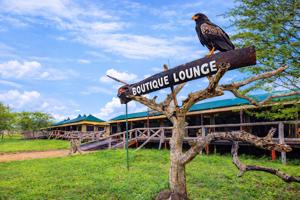
Where to stay
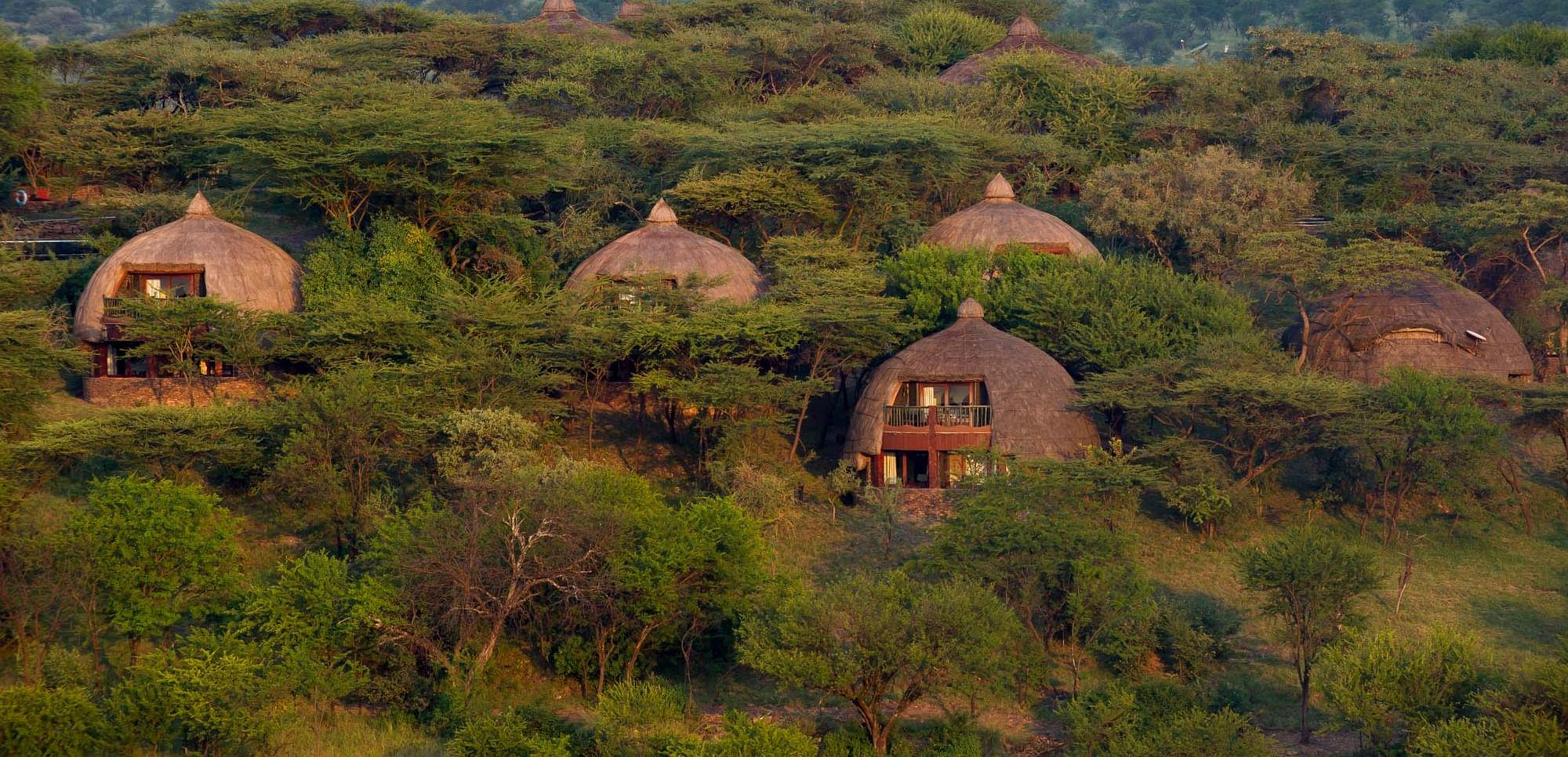
Where to eat

Things to do

Serengeti Hot Air Balloon Safari
Tanzania Hot Air Balloon Safari
Serengeti Hot Air Balloon Safari
Best Serengeti Safari Tours 2026-2027
Serengeti Hot Air Balloon Safari
Serengeti Safari
Weather through the year
Average temperatures and rainfall by month
Station: 23s344e · 25.7 km away · 1304m