

Witwatersrand
The Witwatersrand, meaning "White Waters Ridge" in Afrikaans, is a significant rocky ridge and underground geological formation located in South Africa, near what is now Johannesburg. This vast basin stretches approximately 250 miles in an arc from Johannesburg to Welkom. Geologically, it is believed to have once been the floor of a prehistoric sea where rivers deposited sediments, leading to the formation of gold and other minerals. The ridge itself is characterized by several rivers that run over its surface, creating waterfalls. The Crocodile River, for instance, has its source in the Witwatersrand mountain range at an elevation of 1,700 meters above sea level.
Historically, the Witwatersrand Basin holds the richest reserve of gold ever discovered globally, with an estimated 40 to 50 percent of all the world's gold having been mined from its goldfields since their discovery in 1886. This monumental discovery triggered a massive gold rush, which directly led to the rapid establishment and growth of Johannesburg, transforming it into South Africa's largest city within a decade. The region's gold mines are among the deepest worldwide, with some tunneling more than 2.5 miles below the surface, featuring impressive engineering feats like the world's tallest elevators.
However, the gold mining industry in the Witwatersrand Basin has experienced a decline since the 1980s, significantly impacting the region's economic landscape. Beyond its geological and economic importance, the Witwatersrand also forms part of the broader geographical context for other notable areas, such as the Hartbeespoort Dam, which lies north of the Witwatersberg mountain range (a part of the greater Witwatersrand system) and approximately 35 kilometers northwest of Johannesburg.
Quick Info
Own this place?
Claim it to update its details and photos, add what you offer, reply to travellers and promote it on Wapota. It’s free.
Claim this listing →






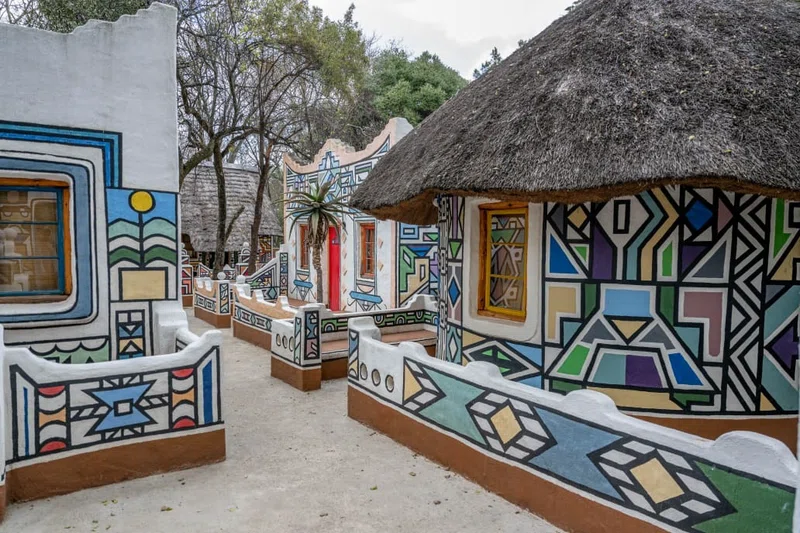
Lesedi Cultural Village
0.0 km away
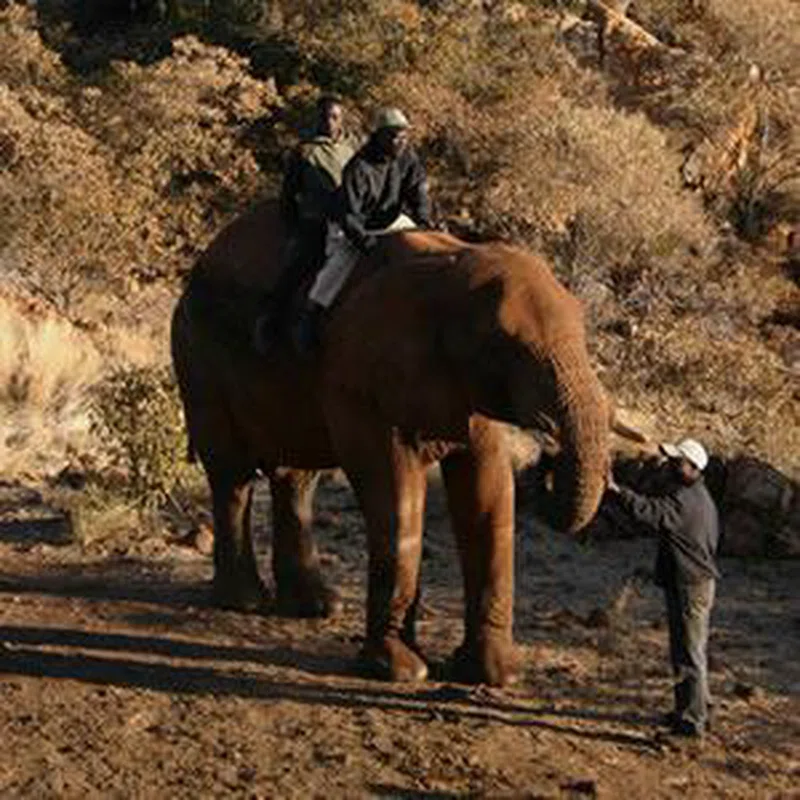
Elephant Sanctuary Hartbeespoortdam
0.0 km away
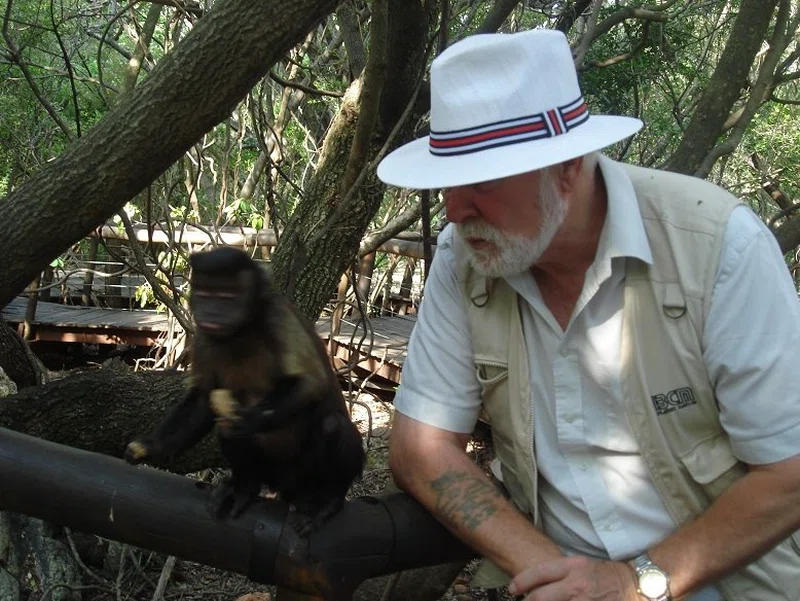
Bush Babies Monkey Sanctuary
0.0 km away
1-Day Cradle of Humankind Tour
0.0 km away
South Africa Safari
0.0 km away
South Africa Safari
0.1 km away
Weather & Rainfall Patterns
Station: 258s278e · 28.2 km away · 1140m