
Attraction in Namibia
Zoo Park
About Zoo Park
Zoo Park is a significant public recreational area situated on Independence Avenue in the heart of Windhoek, Namibia. It serves as a central point for social life within the city, offering a serene urban retreat with tastefully landscaped grounds, shady trees, a tranquil pond, expansive lawns, and a children's playground. The park also features an open-air theatre, providing a venue for community events and cultural gatherings.
The park holds deep historical and archaeological importance. Excavations in 1962 uncovered the remains of two elephants and various Stone Age tools, dating back between 5,000 and 20,000 years. This discovery marks one of the earliest known instances of elephant hunting in human history.
In its colonial history, the area was designated as the "Schutztruppe Memorial" in 1897 by German authorities, honoring German soldiers who died in conflict with Nama leader Hendrik Witbooi. An obelisk-shaped war memorial was unveiled at this time. The land was later transferred to local control in 1911 and expanded. From 1916, it housed the Café Zoo, which remains in operation today. The park underwent reshaping between 1960 and 1963 to accommodate the widening of Independence Avenue and Fidel Castro Street. It was briefly renamed Verwoerd Park in 1967 before officially becoming Windhoek Zoo Park in February 1989, just prior to Namibia's independence.
Today, Zoo Park is a place for relaxation, leisurely strolls, and picnics, where visitors can observe various bird species and local flora. Its blend of natural beauty, historical monuments, and cultural significance makes it a unique destination in Namibia's capital.
Things to see
Close by

Where to stay

Where to eat






Things to do
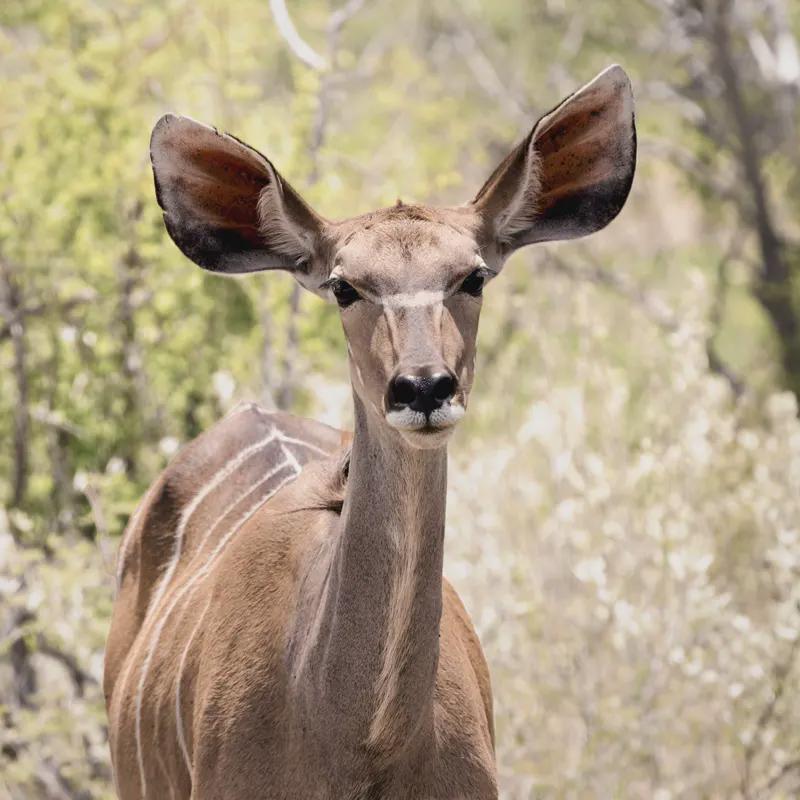
Daan Viljoen Game Park Guided Hike
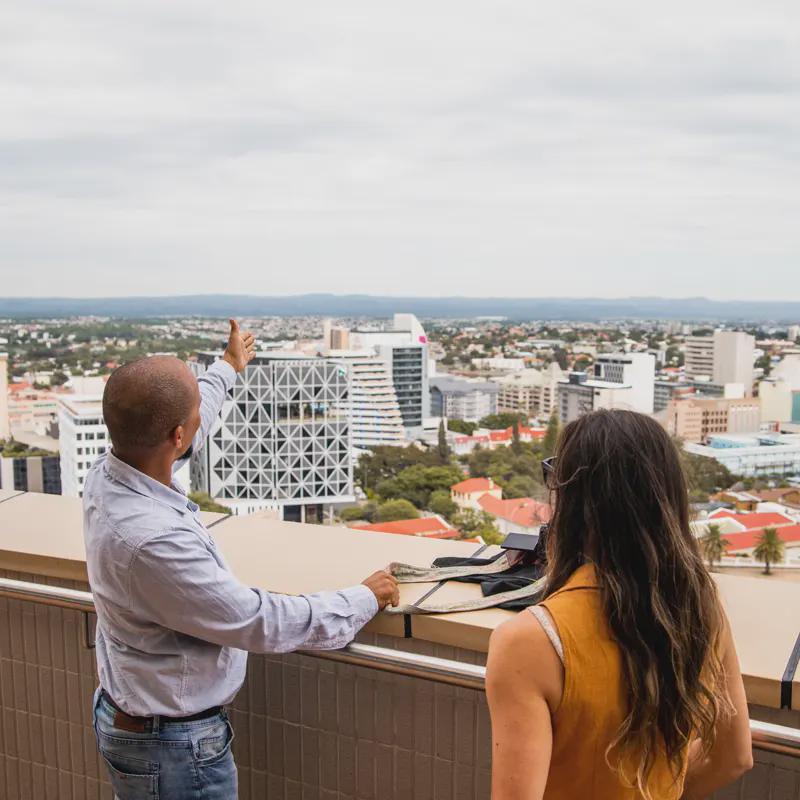
Windhoek City Tour
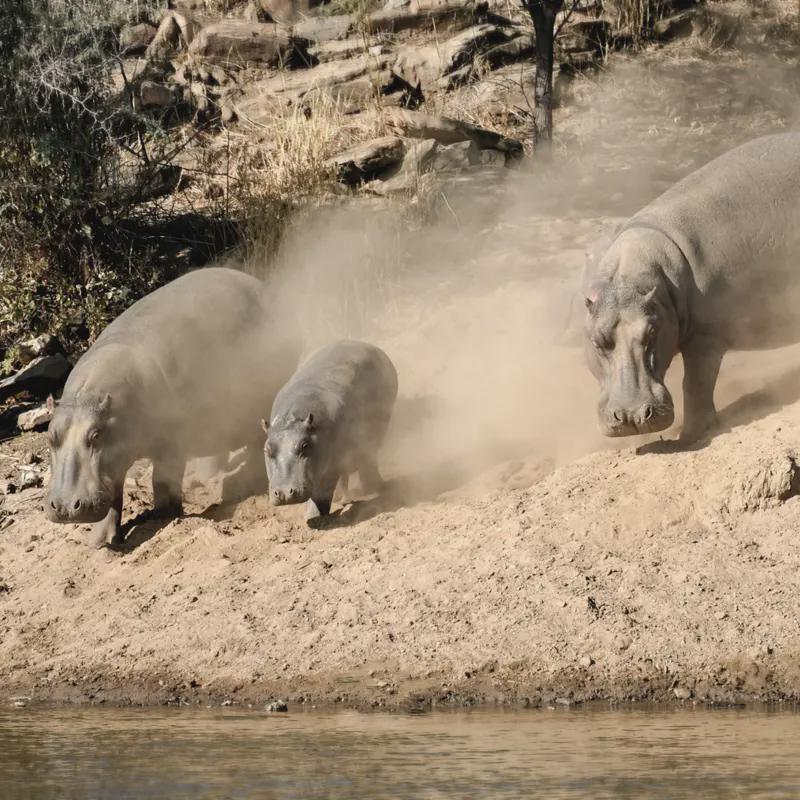
Scenic Game Drive near Windhoek
10 Day Namibia Etosha & Himba Culture

19 Days Namibia Botswana Self Drive Safari
10 Day Namibia Highlights Safari
Weather through the year
Average temperatures and rainfall by month
Station: 223s169e · 11.5 km away · 1586m