
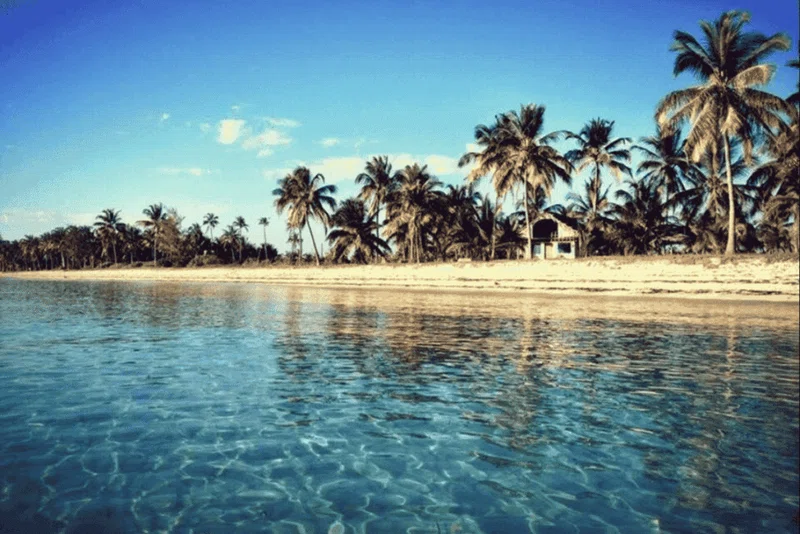
Kilwa Kisiwani
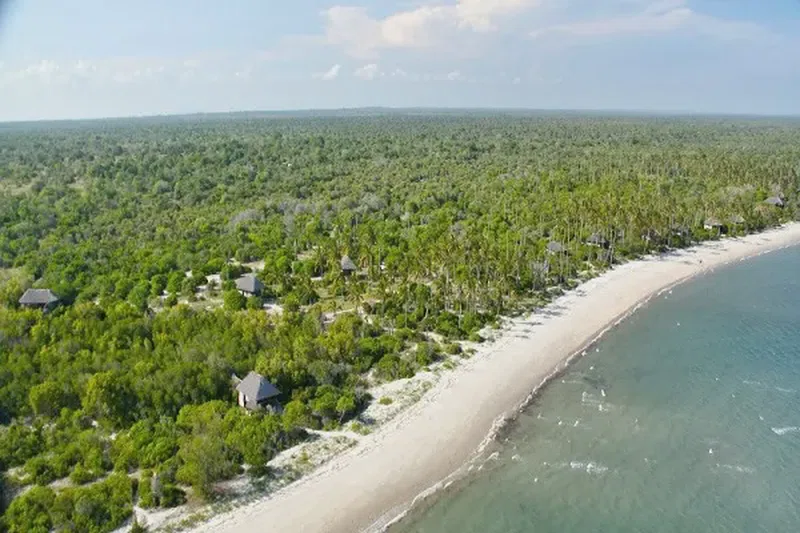
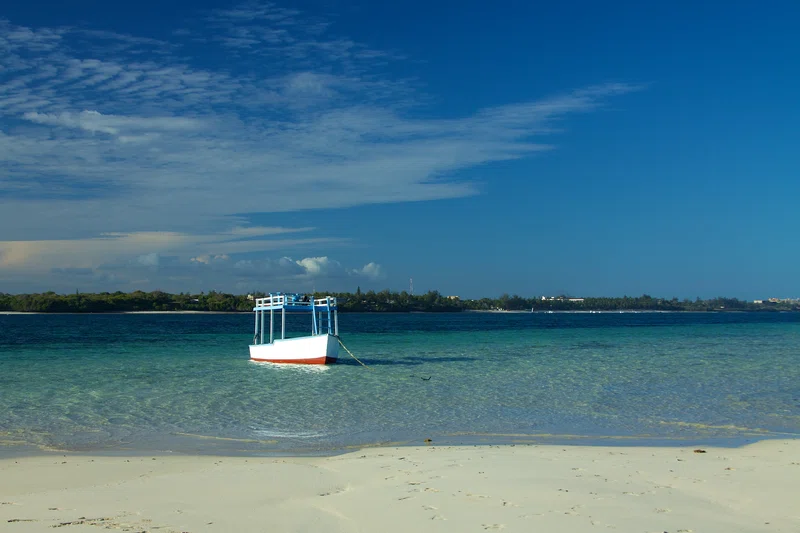
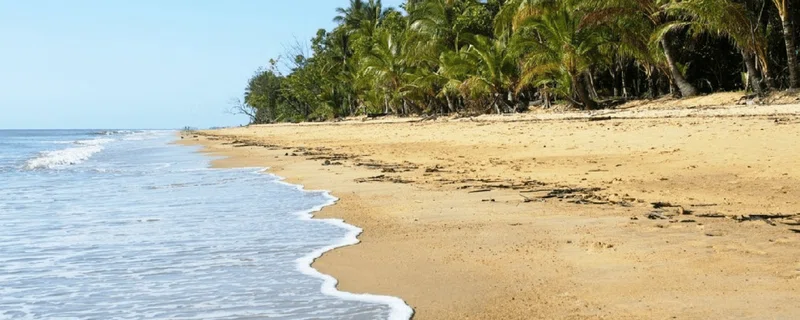
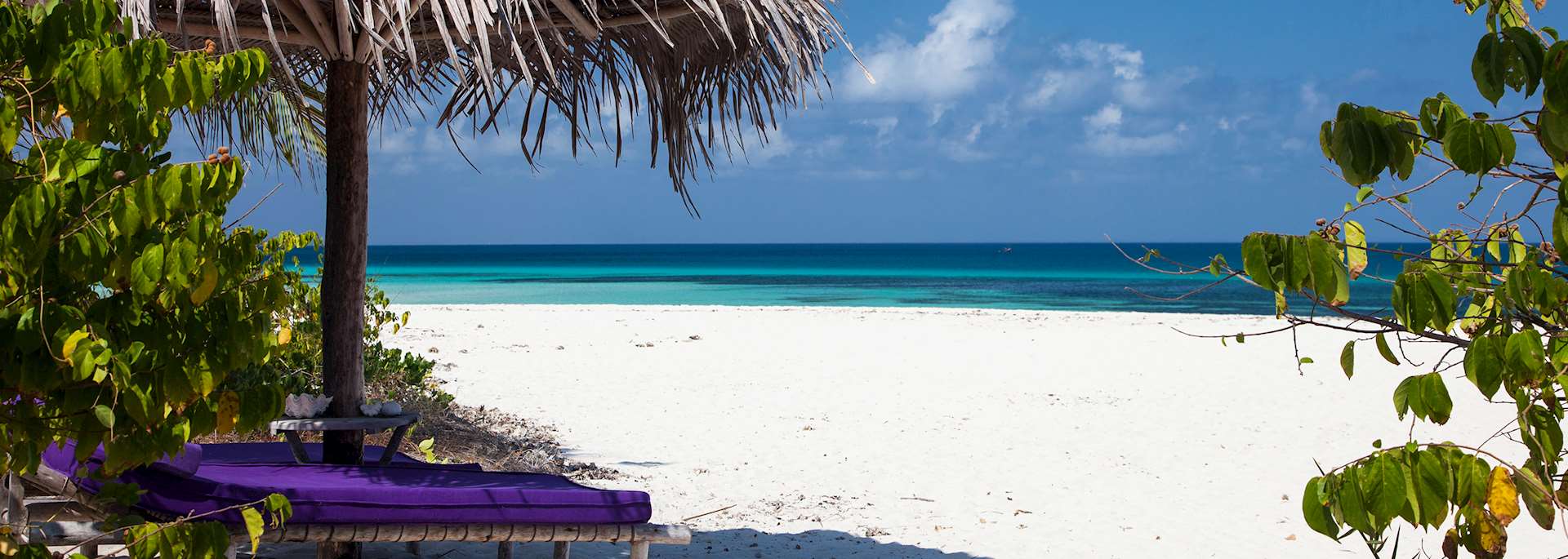
Kilwa Kisiwani is an island located off the southern coast of Tanzania in the Indian Ocean, situated within the Kilwa District of the Lindi Region, roughly 330 kilometers south of Dar es Salaam. Spanning a land area of approximately 12 square kilometers with a circumference of 23 kilometers, the island sits nine degrees south of the equator in the Kilwa Archipelago. Its coastlines feature dense mangrove forests, intertidal coral platforms, freshwater wells, and the Mavuji River estuary to the west. Today, the island is home to a small community of around 1,150 residents engaged primarily in fishing, subsistence agriculture, and cultural tourism.Established around the early 9th century, Kilwa Kisiwani grew into one of the most prominent Swahili city-states along the East African coast. Between the 13th and 15th centuries, the island reached its zenith as the commercial center of the Kilwa Sultanate, controlling the lucrative Indian Ocean trade of gold from Great Zimbabwe, alongside ivory, timber, and spices traded for Chinese porcelain, Persian ceramics, and textiles. The city minted its own coins for over five centuries and was famously described by Moroccan traveler Ibn Battuta in 1331 as one of the most beautiful cities in the world. After a Portuguese garrison took control in 1505, the island later passed to Omani rule before declining in the 19th century. In 1981, it was designated a UNESCO World Heritage Site alongside the neighboring ruins of Songo Mnara.The island contains extensive coral-stone architectural ruins representing centuries of Swahili, Portuguese, and Omani history. Notable structures include the Great Mosque of Kilwa—the oldest standing mosque on the East African coast, featuring 12th-century coral masonry and 14th-century vaulted domes—and the Palace of Husuni Kubwa, a sprawling 14th-century cliffside complex spanning two acres with an octagonal swimming pool and commercial courtyards. Other significant monuments include the Gereza Fort, a coastal fortification built by the Omanis over Portuguese foundations, and the 18th-century Makutani Palace enclosure. Visitors reach the island via short boat or traditional dhow rides from Kilwa Masoko, exploring the historic monuments through guided walking tours while enjoying birdwatching, coastal dhow trips, and beach exploration.
Quick Info
Own this place?
Claim it to manage photos, respond to visitors, and promote it to travelers.
Claim this listing →



Weather & Rainfall Patterns
Station: 89s394e · 4.7 km away · 2m