
Padaria de Inhambane
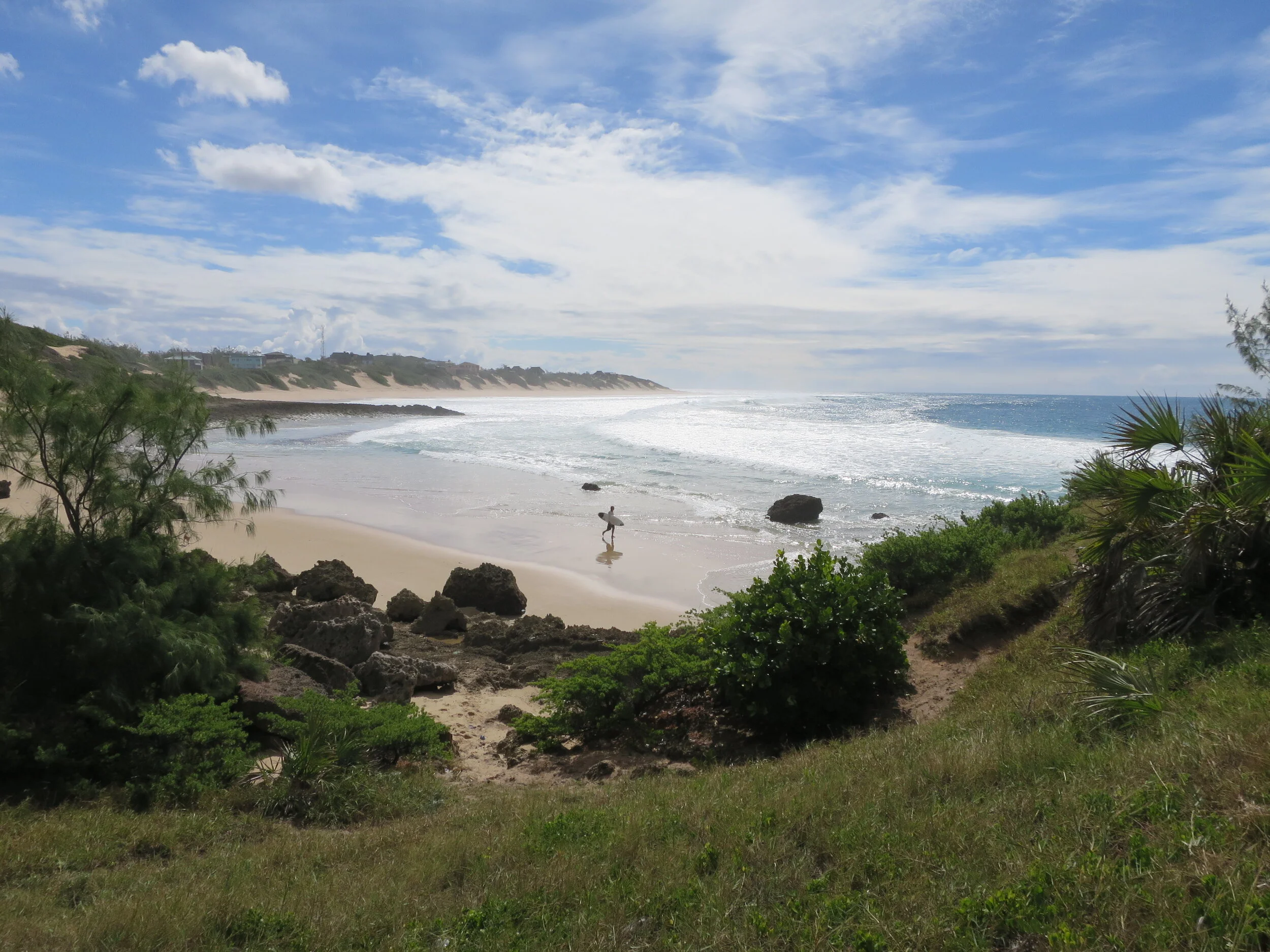
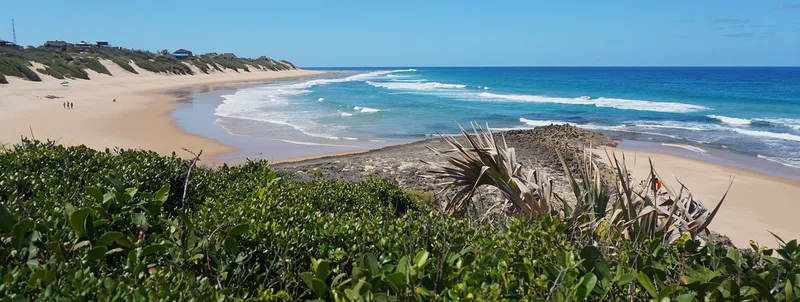
Inhambane is a historic city located in southern Mozambique, serving as the capital of the Inhambane Province. Situated on the picturesque Inhambane Bay, approximately 470 km northeast of Maputo, the city's geography is defined by a deep inlet where the small Mutamba River flows, protected by two sandy headlands. Across the bay lies its sister town, Maxixe. The region experiences a tropical savanna climate.As one of the oldest settlements on Mozambique's Eastern coast, Inhambane boasts a rich history dating back to the 11th century when dhows engaged in trade. Early Muslim and Persian traders visited the area, exchanging pearls and ambergris. Vasco da Gama's arrival in 1498 led him to name it "Terra de Boa Gente" (Land of the Good People). The Portuguese established a permanent trading post in 1534, and it became the first Jesuit mission in Southeast Africa in 1560. The port flourished as a center for ivory and slave trade, particularly in the 18th century. Although destroyed in 1834, it was rebuilt, with the old cathedral and mosque standing as testaments to this period. The 170-year-old Cathedral of our Lady of Conception offers panoramic views of the city and harbor from its spire. The local culture is also known for its music, especially the timbila xylophone ensembles of the Chopi ethnic group.Today, Inhambane functions as a commercial seaport and market center, with cashew nut processing being a primary industry. The surrounding agricultural lands yield rice, cashew nuts, copra, beans, and corn. The city is a growing tourist destination, particularly for its proximity to stunning beaches like Tofo and Barra. Inhambane Bay is a hub for water sports, including snorkeling, scuba diving, and sundowner cruises. Diving enthusiasts can explore sites like Manta Reef and Gallaria, where giant manta rays, whale sharks, and turtles are frequently sighted, earning Tofo the reputation as the "whale shark mecca of the world." The city's central market offers a vibrant array of local foods, spices, and fresh seafood. Dhows and motor taxis provide transport across the bay to Maxixe, with Inhambane maintaining one of the largest working dhow fleets on the Swahili Coast. The dry winter months, from April to October, are considered ideal for visiting due to milder temperatures.


Weather & Rainfall Patterns
Station: 239s353e · 18.7 km away · 138m