
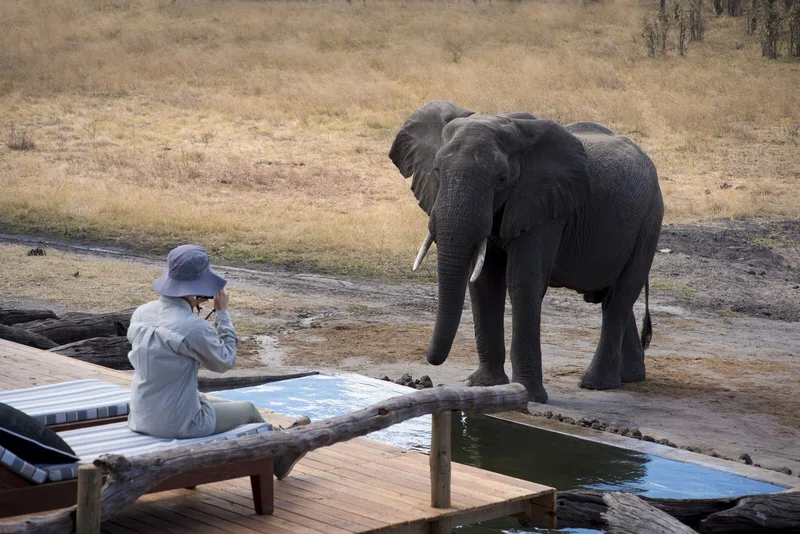
Matusadona National Park
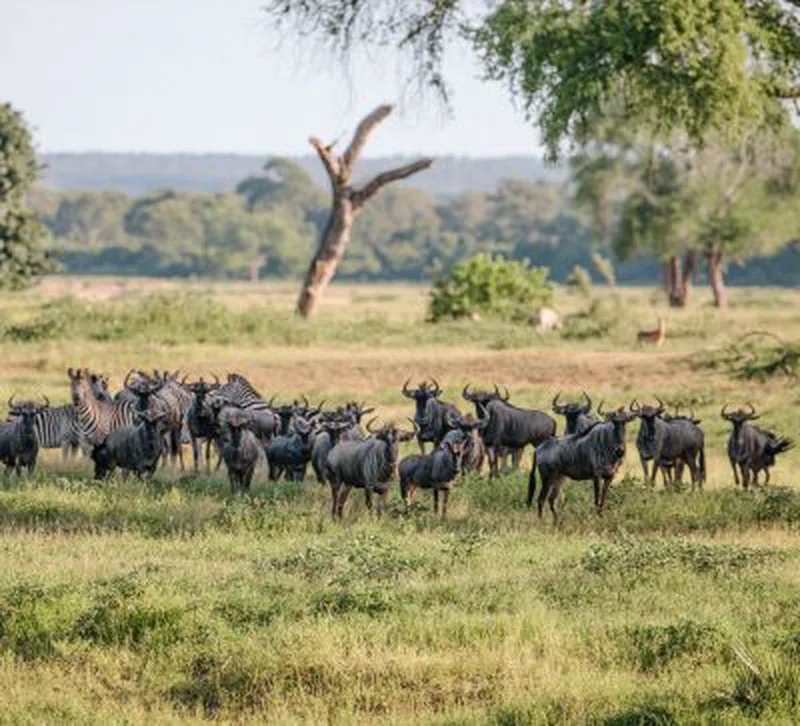
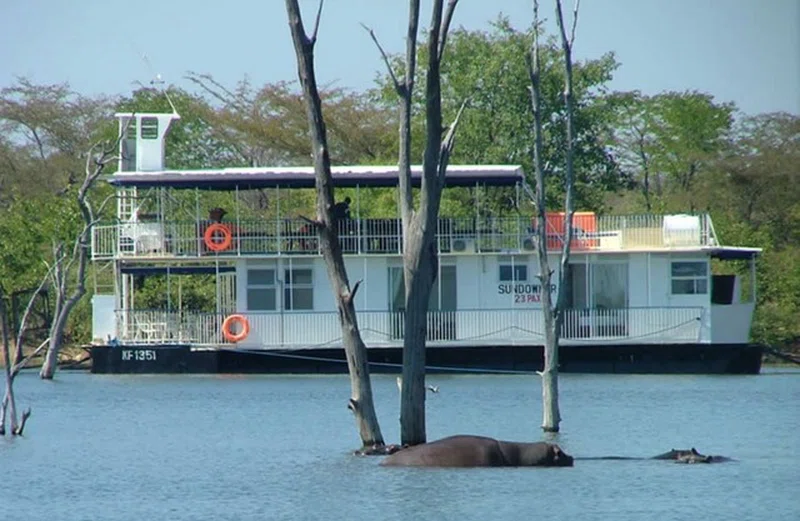
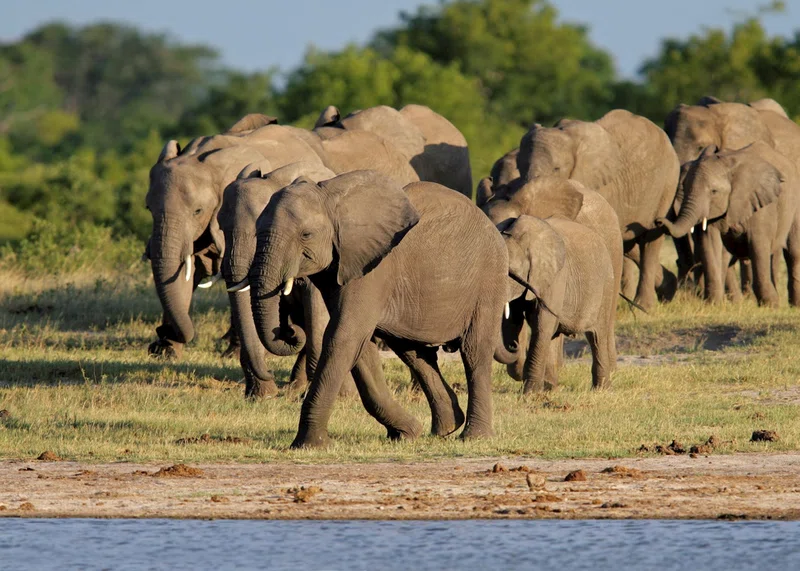
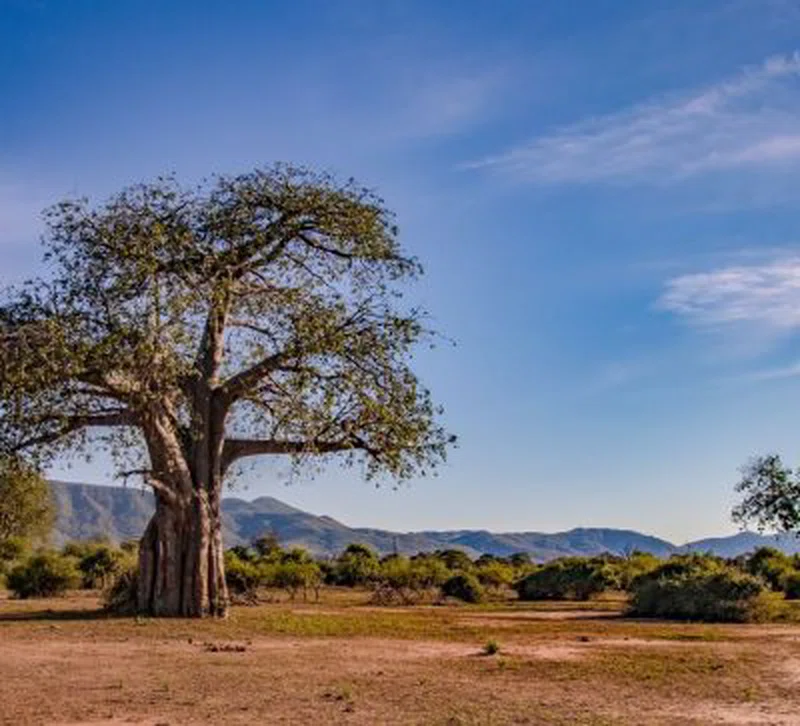
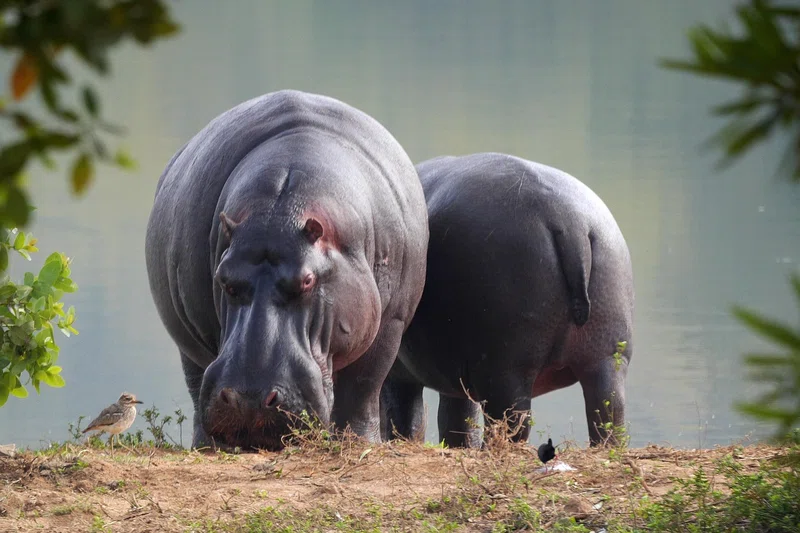
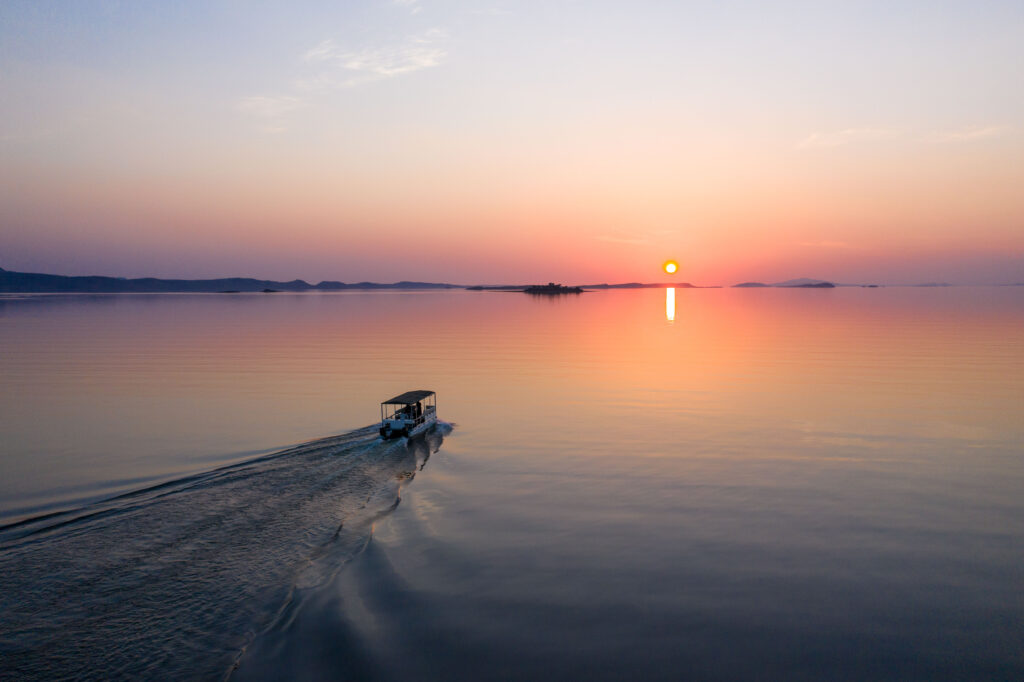
Matusadona National Park is a 1,470-square-kilometer (570-square-mile) protected wilderness situated along the remote southern shores of Lake Kariba in northwestern Zimbabwe's Mashonaland West Province. The park takes its name from the local Shona word Matuzviadonha, meaning falling dung, referring to elephant dung found along the rolling Matusadona Hills. Proclaimed a non-hunting area in 1958, the sanctuary served as a crucial release site for thousands of wild animals rescued during Operation Noah when the Kariba Dam was constructed. It was declared a game reserve in 1963 and formally designated a national park in 1975. In November 2019, the Zimbabwe Parks and Wildlife Management Authority (ZimParks) entered into a 20-year co-management agreement with African Parks through the Matusadona Conservation Trust to restore and manage the landscape.The park encompasses three distinct ecological zones: Lake Kariba's shoreline grasslands dominated by torpedo grass (Panicum repens), the Zambezi Valley floor covered in mopane woodlands and dense jesse thickets, and the rugged Zambezi Escarpment, which rises roughly 700 meters above the valley floor. Flanked by the perennial Ume River to the west and the dramatic Sanyati River and Gorge to the east, Matusadona harbors all members of Africa's Big Five—elephant, lion, leopard, Cape buffalo, and black rhinoceros. Designated as an Intensive Protection Zone (IPZ), the park has seen active ecological restoration, including the reintroduction of black rhinos, African wild dogs, and translocated populations of buffalo, eland, and sable antelope. The surrounding waters support healthy populations of hippopotamuses, Nile crocodiles, and over 40 fish species, while nearly 400 recorded bird species inhabit the park, including fish eagles, Pel's fishing-owls, and carmine bee-eaters.Visitors to Matusadona can explore the landscape through guided game drives, walking safaris, multi-day escarpment hiking trails, boat cruises, canoeing, and catch-and-release tiger fishing on Lake Kariba. Accommodation options within and around the park range from public campsites and self-catering cottages at Tashinga to secluded bush camps and luxury tented lodges such as Changa Safari Camp and Rhino Safari Camp. Due to its remote location, the park is primarily accessed by boat from Kariba town or by air via airstrips like Tashinga, while land access requires a four-wheel-drive vehicle along unpaved tracks.
Quick Info
Own this place?
Claim it to manage photos, respond to visitors, and promote it to travelers.
Claim this listing →Safari Tours
10 tours departing from this area
 luxury13 days
 luxury10 days
 luxury5 days
luxury
5-Day Hwange and Lake Kariba Discovery
$5,445
 Blue Iris Trade and Invest (PTY) Ltd trading as Discover Africa Safaris
 luxury3 days
luxury
3-Day Sail with Elephants (Ideal Self-Drive Add-on)
$330
Mana Pools Tourism Services (Pvt) Ltd t/a Manapools.com trading as Mana Pools Tourism Services luxury12 days
luxury
12-Day Glamping Vfl-Hwange-Kariba-Sail-Mana-Chitake-Hre
Mana Pools Tourism Services (Pvt) Ltd t/a Manapools.com trading as Mana Pools Tourism Services luxury5 days
luxury
5-Day Sail with Elephants Sail Safari (to & from Harare)
$989
Mana Pools Tourism Services (Pvt) Ltd t/a Manapools.com trading as Mana Pools Tourism Services luxury10 days
luxury
10-Day Luxury Zimbabwe Victoria Falls Hwange Lake Kariba
$6,930
Only One LLC trading as Only One Safaris luxury10 days
luxury
10-Day 4 Star Zimbabwe Victoria Falls Hwange Lake Kariba
$4,840
Only One LLC trading as Only One Safaris luxury12 days
luxury
12-Day Highlights of Zimbabwe
$6,991
Gondwana Travel & Tours Proprietary Limited trading as Gondwana Tours & Safaris luxury10 days
luxury
10-Day Zambezi Wild Heart Safari
$8,785
EXPERT SAFARI SERVICES LIMITED trading as Expert Safari Services


Weather & Rainfall Patterns
Station: 170s284e · 20.5 km away · 594m