
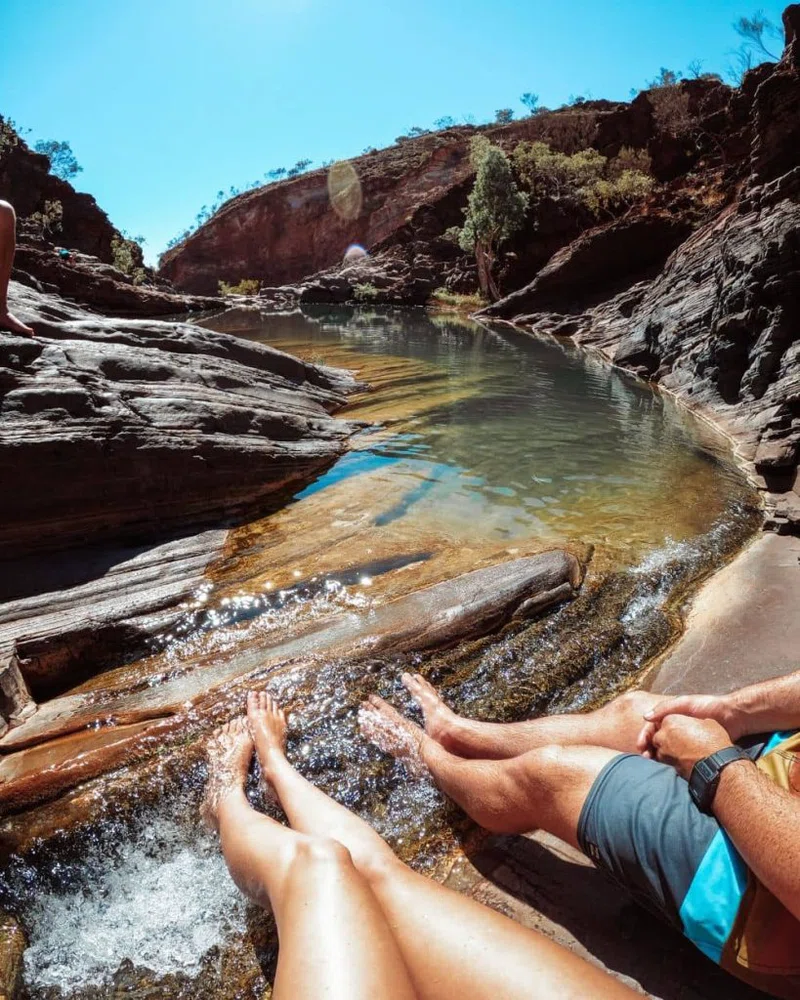
Kariba Gorge
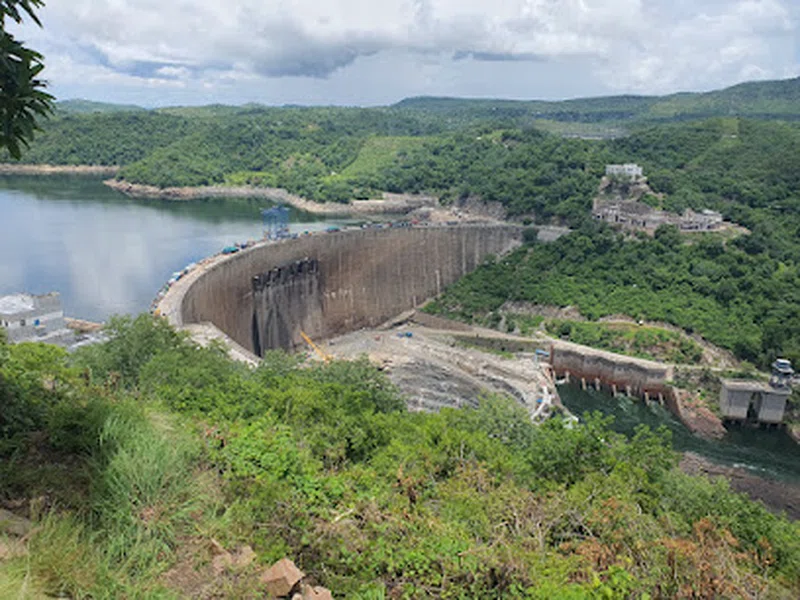
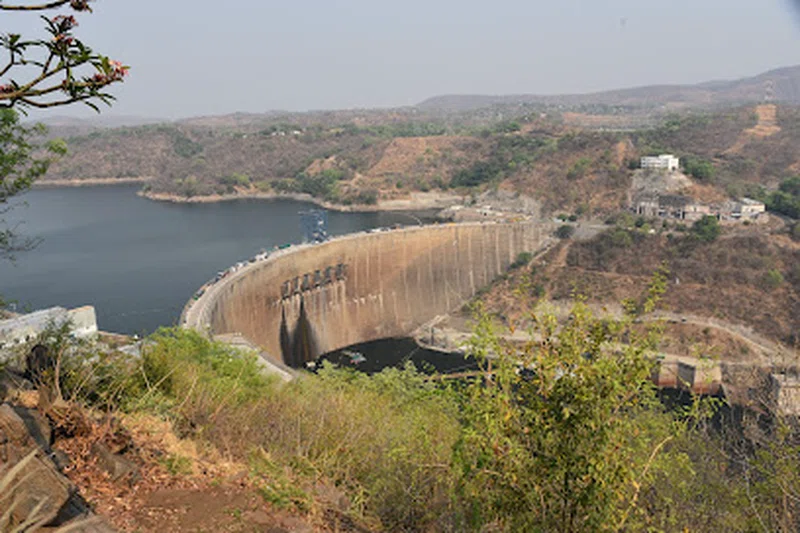
Kariba Gorge is a significant natural ravine located on the border of Zambia and Zimbabwe in Africa, through which the Zambezi River once flowed. This geological feature is more than 16 miles in length and is carved through paragneiss, a type of coarse-grained rock formed from sedimentary rock. The gorge is perhaps most famous as the site of the Kariba Dam, a massive double-arch concrete structure completed in 1959. The construction of this dam led to the complete filling of the gorge, creating Lake Kariba, which became the world's largest man-made lake at the time. The dam itself stands 128 meters tall and 579 meters long, forming a reservoir that extends 280 kilometers and holds 185 cubic kilometers of water.The creation of Lake Kariba had profound effects on both the environment and the local Tonga people. Approximately 57,000 Tonga people living along the Zambezi in Northern and Southern Rhodesia (now Zambia and Zimbabwe) were displaced and resettled to make way for the dam and its reservoir. This relocation was a controversial topic, partly due to local beliefs that the dam's construction would anger Nyami Nyami, the Zambezi River god, who was thought to reside under a rock near the dam wall, a place from which the name “Kariba” is believed to originate, meaning “a little trap”. Beyond human displacement, the flooding also necessitated “Operation Noah,” a large-scale rescue effort by rangers and volunteers who saved over 6,000 wild animals, including elephants, zebras, antelopes, lions, and rhinos, from the rising waters.Today, Kariba Gorge, largely submerged by the lake, remains a place of natural beauty and historical significance. The surrounding area, particularly Lake Kariba, is a popular tourist destination offering activities such as fishing, boating, and water sports. The region experiences a warm climate with distinct hot dry, hot wet, and cool dry seasons. The hot dry season (August-October) is excellent for game viewing as animals congregate near the lake shores, while the hot wet season (November-April) brings lush vegetation and is ideal for birdwatching. The cool dry season (May-July) offers mild temperatures, perfect for outdoor exploration. The Kariba Dam, jointly operated by Zambia and Zimbabwe through the Zambezi River Authority, continues to be a crucial source of hydroelectric power for both nations, despite challenges like droughts affecting its energy generation capacity.
Quick Info
Own this place?
Claim it to manage photos, respond to visitors, and promote it to travelers.
Claim this listing →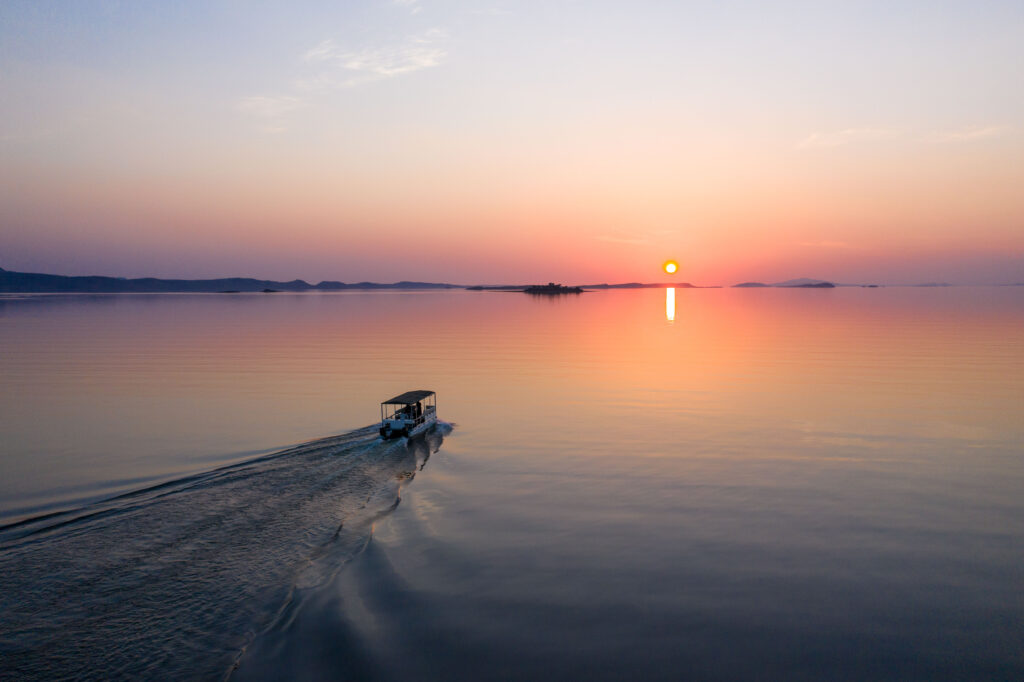




Weather & Rainfall Patterns
Station: 164s288e · 23.8 km away · 483m