
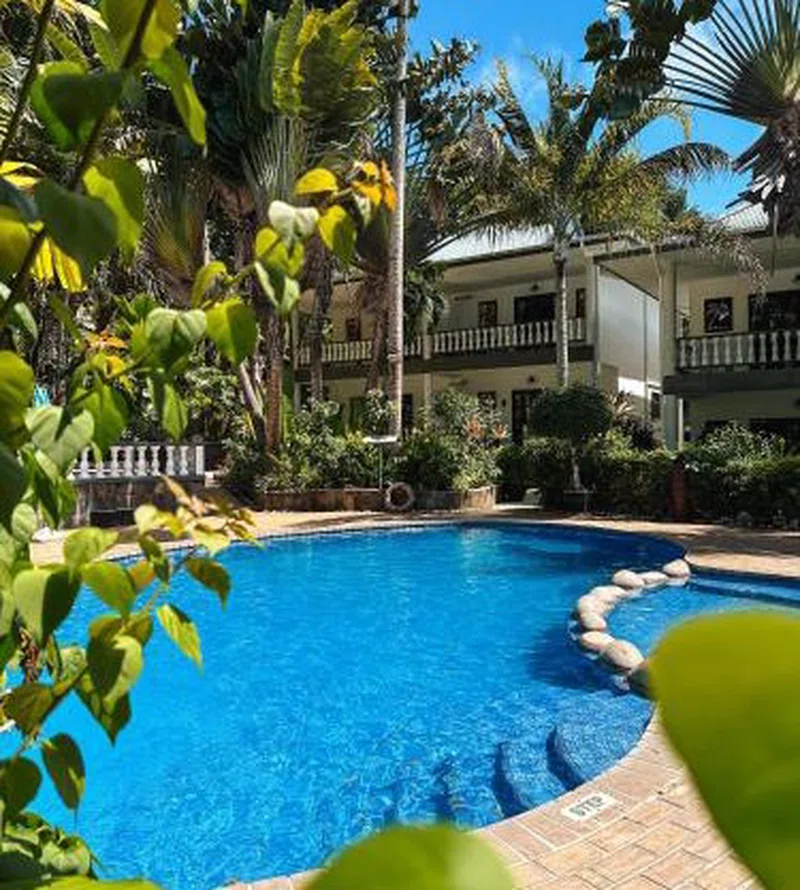
La Digue
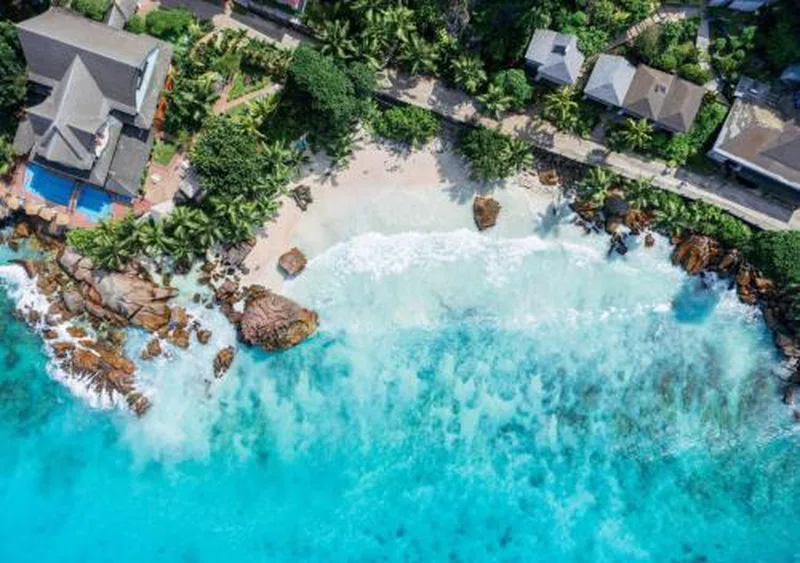
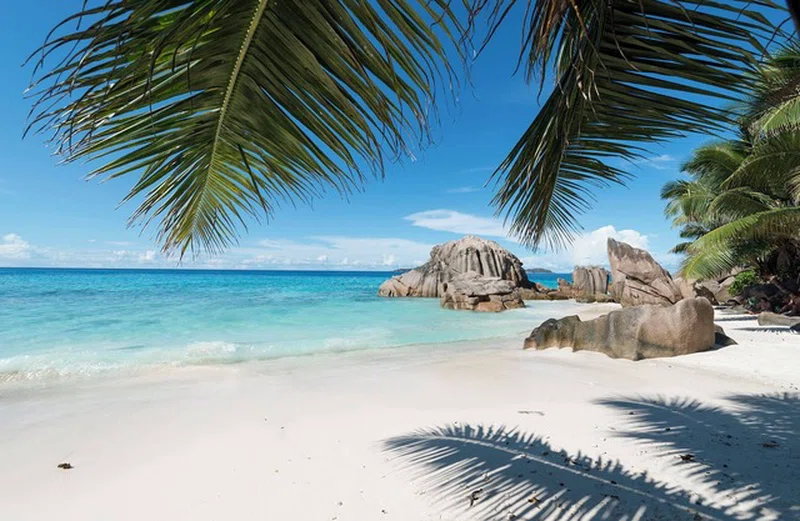
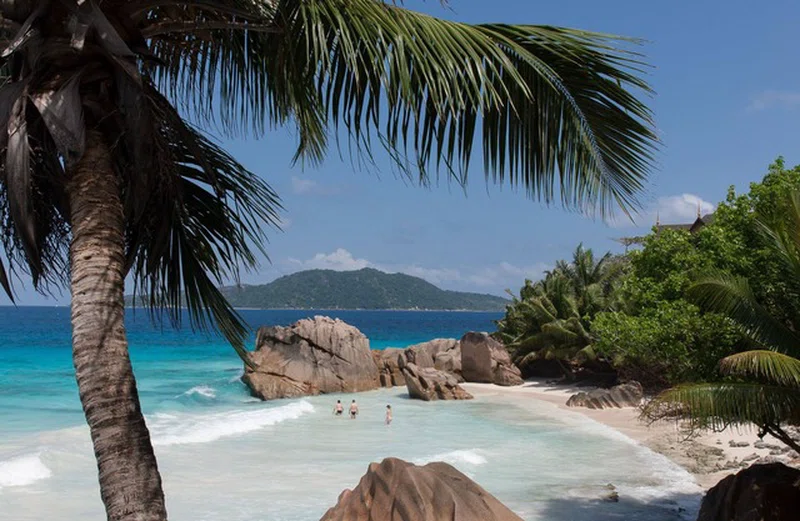
La Digue is the third most populated and fourth largest granitic island of the Seychelles archipelago, situated east of Praslin and west of Felicite Island. Covering an area of 10.08 square kilometers, it is relatively easy to explore on foot or by bicycle, which remains the primary mode of transport. The island is home to approximately 2,800 people, with most inhabitants residing in the west coast villages of La Passe and Anse Réunion. Its geography is characterized by stunning granite formations, including its tallest peak, Belle Vue (Eagle's Nest Mountain), which rises over 300 meters above sea level. La Digue is renowned for its picturesque beaches, notably Anse Source d'Argent and Grand Anse, which contribute significantly to its status as a major tourist destination.The island boasts a rich biodiversity, particularly within its Veuve Nature Reserve, which serves as a critical habitat for the endangered black paradise flycatcher, with only about 100 individuals remaining. Due to its isolation from mainland Africa, La Digue is home to many endemic species. Visitors can also encounter a significant population of giant tortoises, originally from Aldabra, as well as various other rare and endangered animals like the Seychelles coconut crab, fodies, sunbirds, and geckos. The surrounding reefs and lagoons teem with marine life, including green sea turtles, butterflyfish, eagle rays, moray eels, and even blacktip reef sharks and whale sharks, making it a popular spot for diving and snorkeling.La Digue's history dates back to its sighting by French navigator Lazare Picault in 1742 and its naming in 1768 after a ship in Marc-Joseph Marion du Fresne's fleet. The first settlers arrived in 1789, comprising French colonists and enslaved people, followed by French deportees, liberated slaves, and Asian immigrants. The majority of the island's inhabitants, known as Diguois, are of Catholic faith, with the first Catholic chapel built in 1854. Historically, the economy relied on copra and vanilla production, which are commemorated in the island's museum. Today, tourism is the main industry, offering activities such as boat trips, diving excursions, and guided hikes. The local cuisine is a vibrant mix of world flavors with a strong emphasis on fresh seafood, featuring dishes like fish curry, grilled fish, and even bat curry, often spiced with ginger. Palm wine, fermented from coconut, is a popular local alcoholic beverage.The climate is consistently warm throughout the year, with daytime temperatures typically ranging from 24°C to 32°C. While rainfall can be heavy, it usually occurs in short bursts, with the wettest months being October to March and the driest in July.
Quick Info
Own this place?
Claim it to manage photos, respond to visitors, and promote it to travelers.
Claim this listing →

Weather & Rainfall Patterns
Station: 117s494e · 1004.1 km away · -9999m