

Lake Naivasha
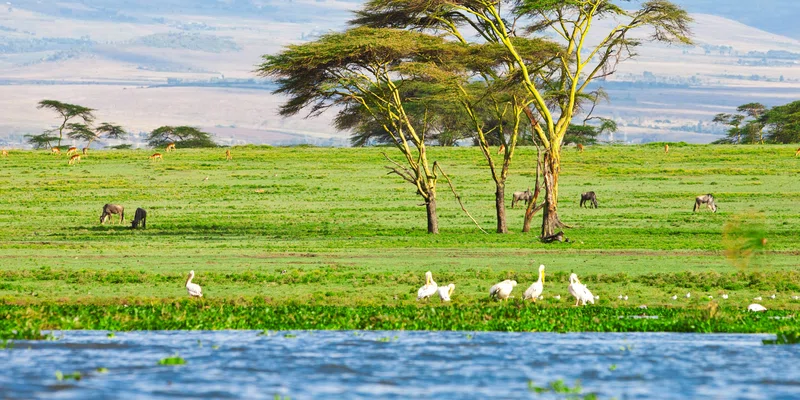
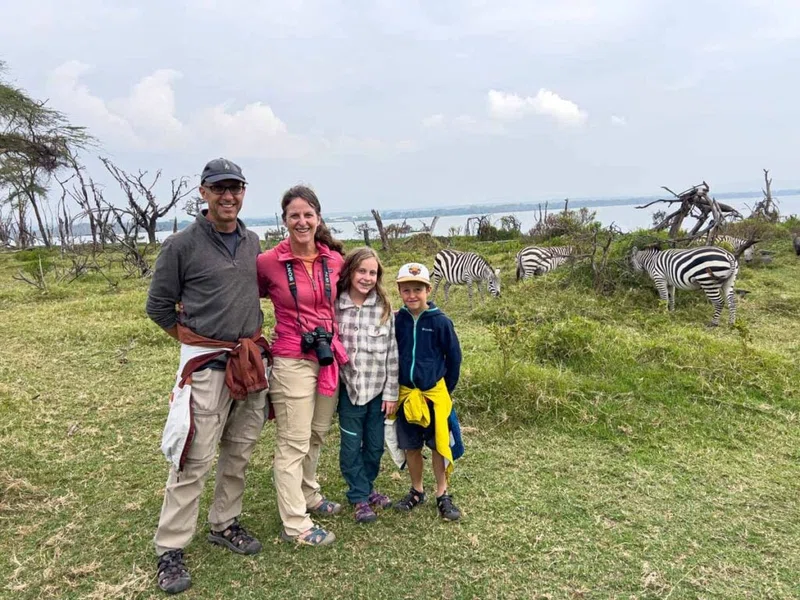
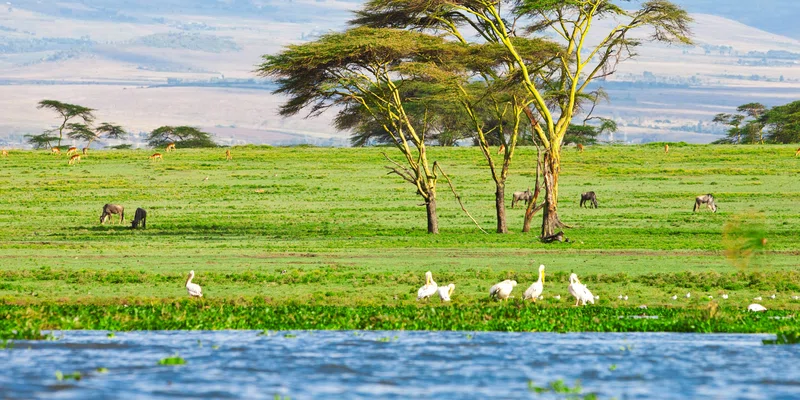
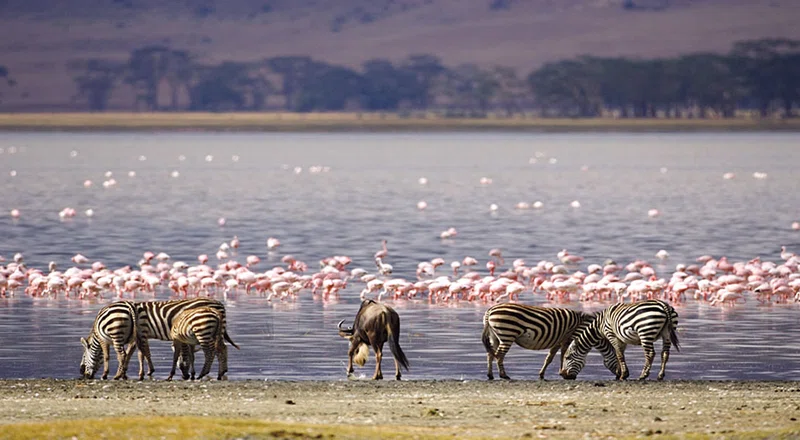
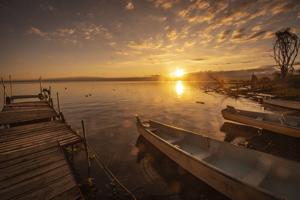
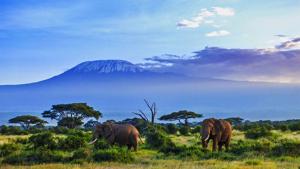
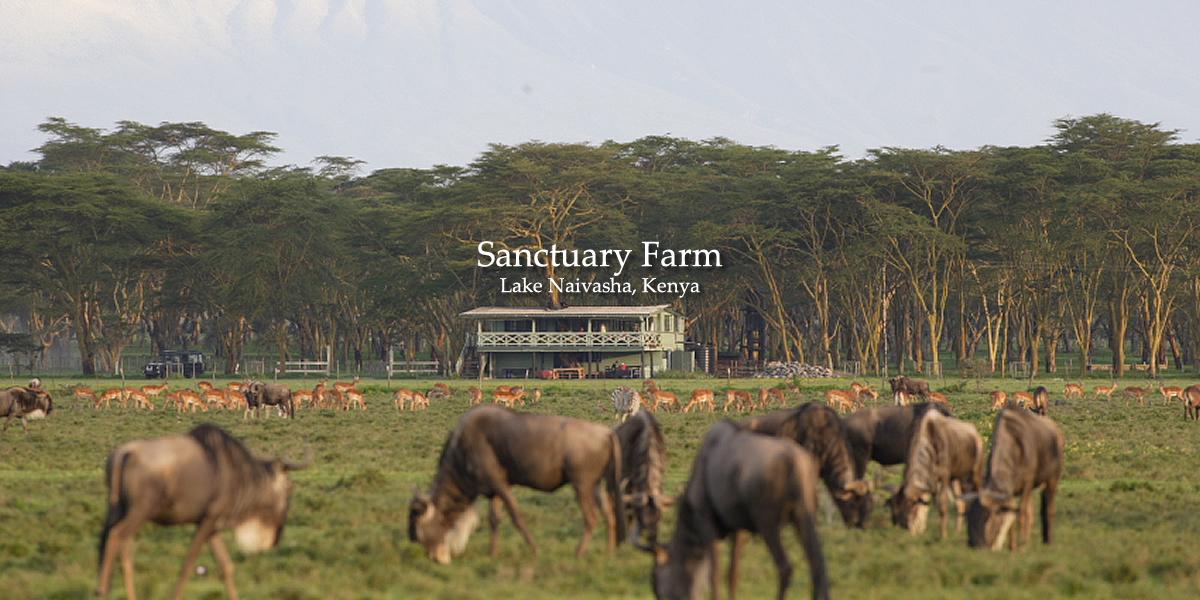
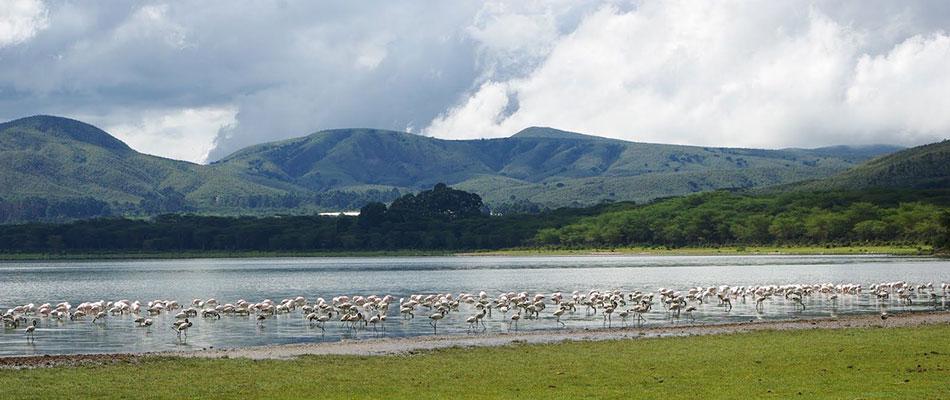
Lake Naivasha is a shallow freshwater lake located in Kenya's southern Rift Valley, situated northwest of Nairobi in Nakuru County. It lies at an elevation of 1,884 meters (6,181 ft) and is recognized as a Wetland of International Importance under the Ramsar Convention. The lake is of recent geological origin, surrounded by acacia woodlands and dormant volcanoes. It is primarily fed by the perennial Malewa and Gilgil Rivers, which originate in the Aberdare Mountains, and a seasonal river called Karati. Despite having no visible surface outlet, the lake maintains its freshwater status through a combination of underground seepage and the sedimentation of salts. Its surface area, typically around 139 square kilometers (54 sq mi) before 2010, expanded to 198 square kilometers (76 sq mi) by 2020, with a surrounding swamp area that fluctuates with rainfall. The lake's average depth is 6 meters (20 ft), reaching a maximum of 30 meters (98 ft) near Crescent Island.The lake's ecosystem is rich and diverse, with papyrus reeds lining much of its shoreline. It serves as a critical habitat for over 400 different species of waterbirds and a substantial population of hippos. Other wildlife, including warthogs, giraffes, zebras, and various antelopes, can be found in the surrounding areas. The fish community has seen shifts, notably with the accidental introduction of common carp in 2001, which by 2010 constituted over 90% of the fish caught. Nearby natural attractions include the smaller Lake Oloiden and Lake Sonachi, a green crater lake, as well as Hell's Gate National Park, which features the Njorowa Gorge, once the lake's outlet.Lake Naivasha is a hub for significant economic activities, including large-scale floriculture, fishing, and geothermal power generation. The floriculture industry, heavily dependent on the lake's water, is a major supplier to the European cut flower market. However, this intensive water usage, coupled with increasing nutrient pollution from siltation, sewage, and effluents from a rapidly growing human population, poses considerable environmental challenges to the lake's fragile ecosystem and water balance. Historically, the lake's water levels have fluctuated dramatically, nearly drying up in the 1890s and experiencing notable declines in 1945 and 1987, but also expanding significantly by 2020, leading to displacement of lakeside communities. The lake also holds historical significance, having served as a landing point for Imperial Airways flying boats between 1937 and 1950, and was home to author Joy Adamson in the 1960s. The Lake Naivasha Riparian Association was recognized with the Ramsar Wetland Conservation Award in 1999 for its dedication to conservation.
Quick Info
Own this place?
Claim it to manage photos, respond to visitors, and promote it to travelers.
Claim this listing →



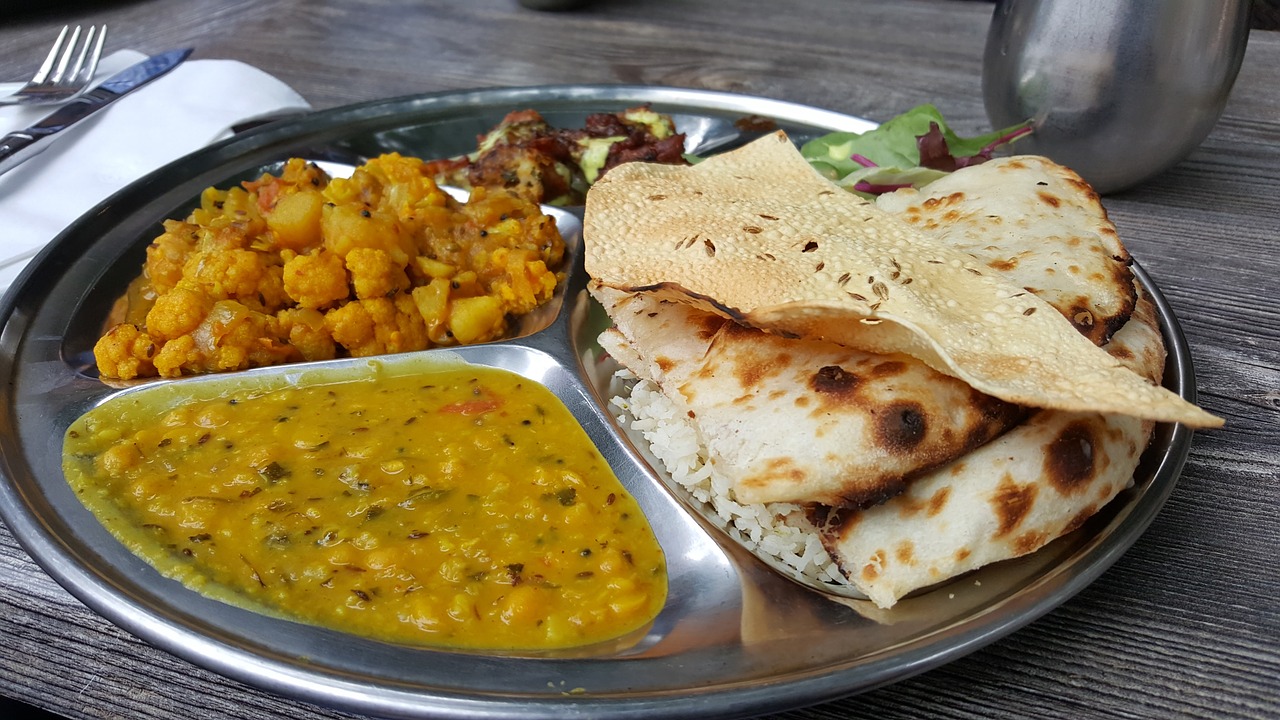

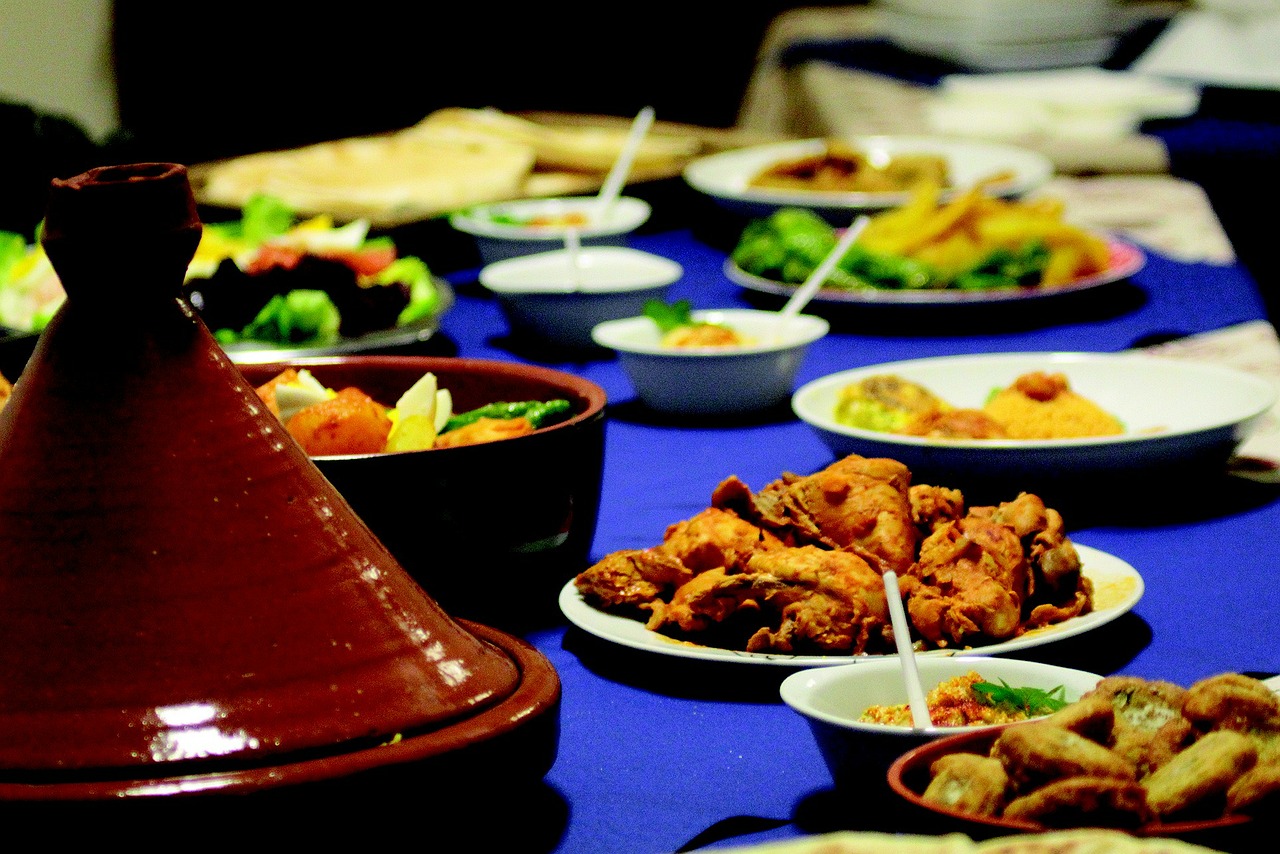
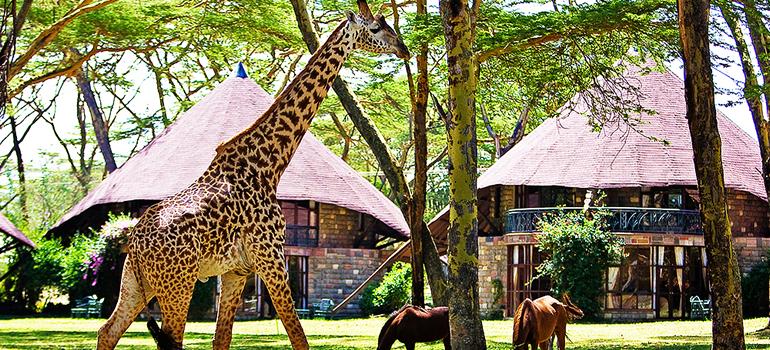
2 Days Safari Hell's Gate & Lake Naivasha
0.0 km away
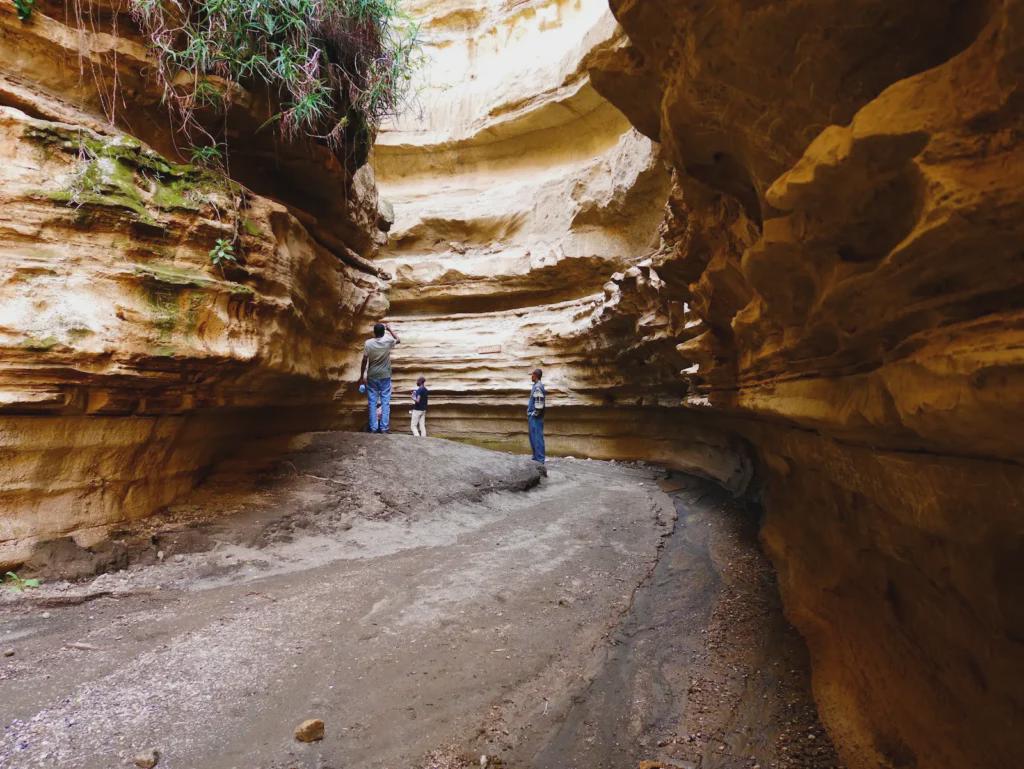
6-Day Adventure Safari – Hell’s Gate Nakuru Naivasha & Mara
0.0 km away
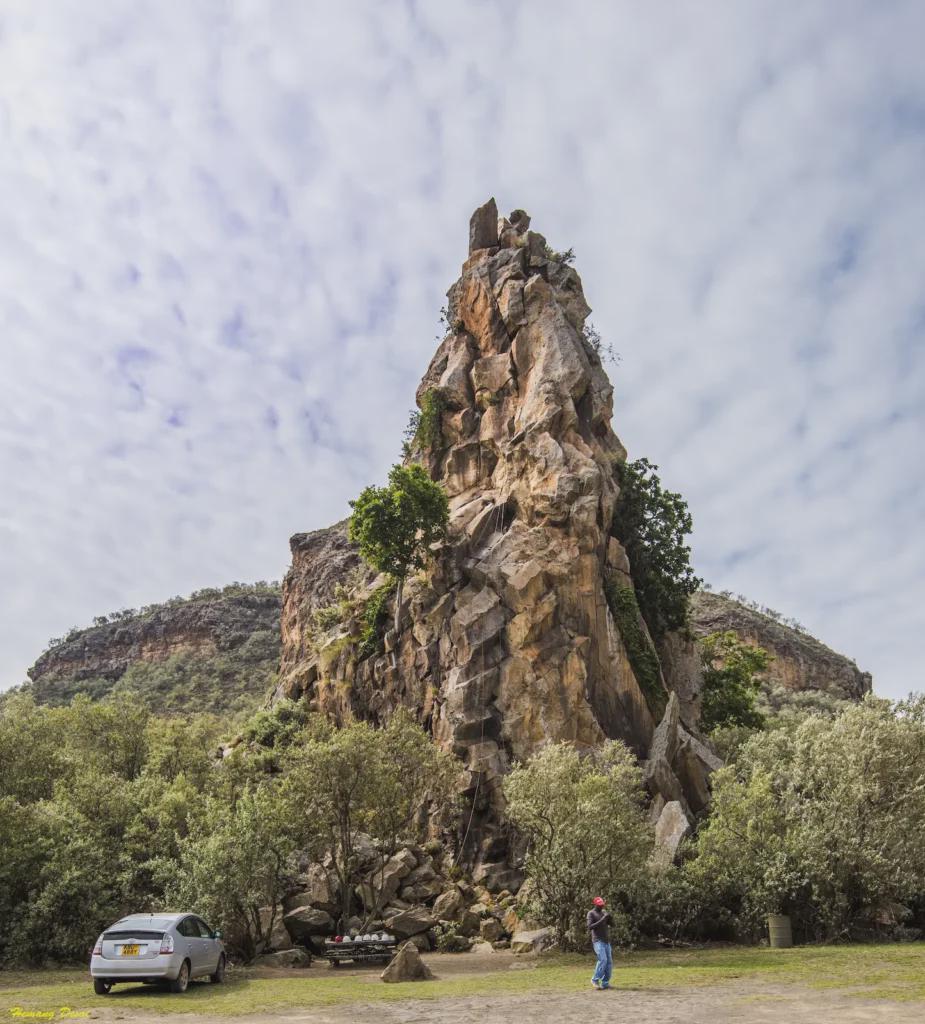
4-Day Cycling & Safari Kenya – Hell’s Gate to Lake Naivasha
0.0 km away
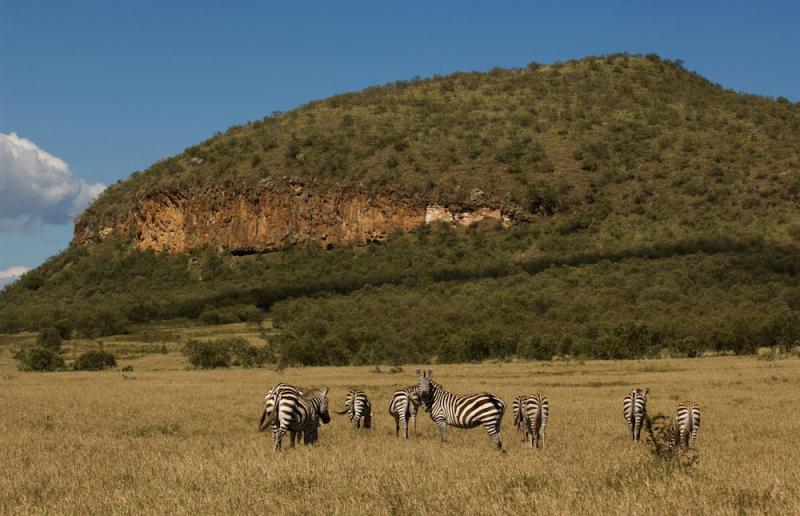
Hells Gate & Lake Naivasha Day Trip
0.0 km away
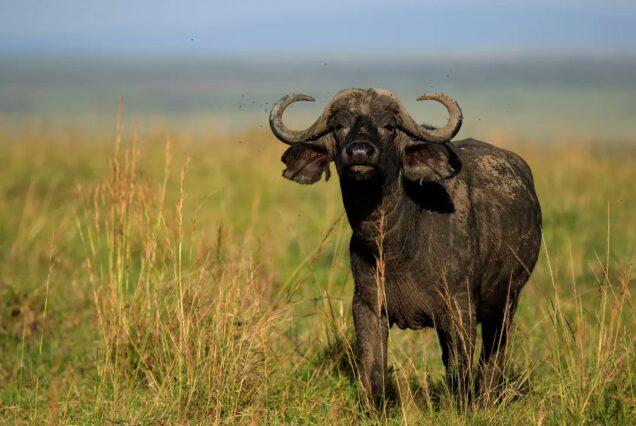
5 Days Maasai Mara, Lake Nakuru and Lake Naivasha Safari
0.0 km away
5 Days Masai Mara – Lake Naivasha – Lake Nakuru Safari
0.0 km away
Weather & Rainfall Patterns
Station: 11s362e · 28.8 km away · 1827m