
Zanzibar Island
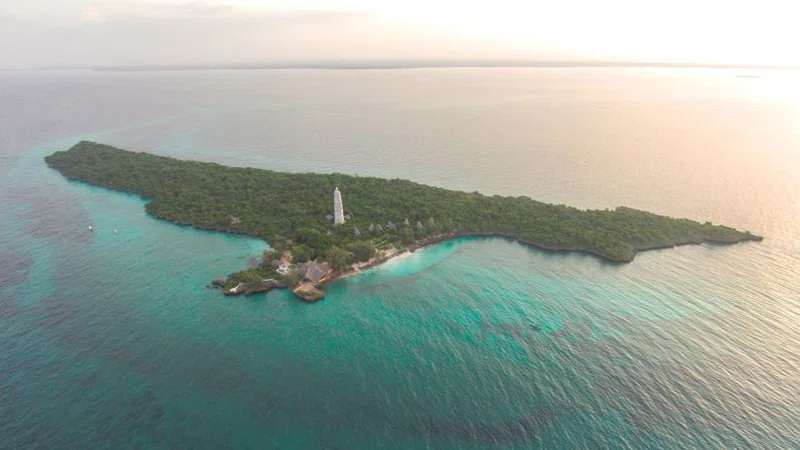
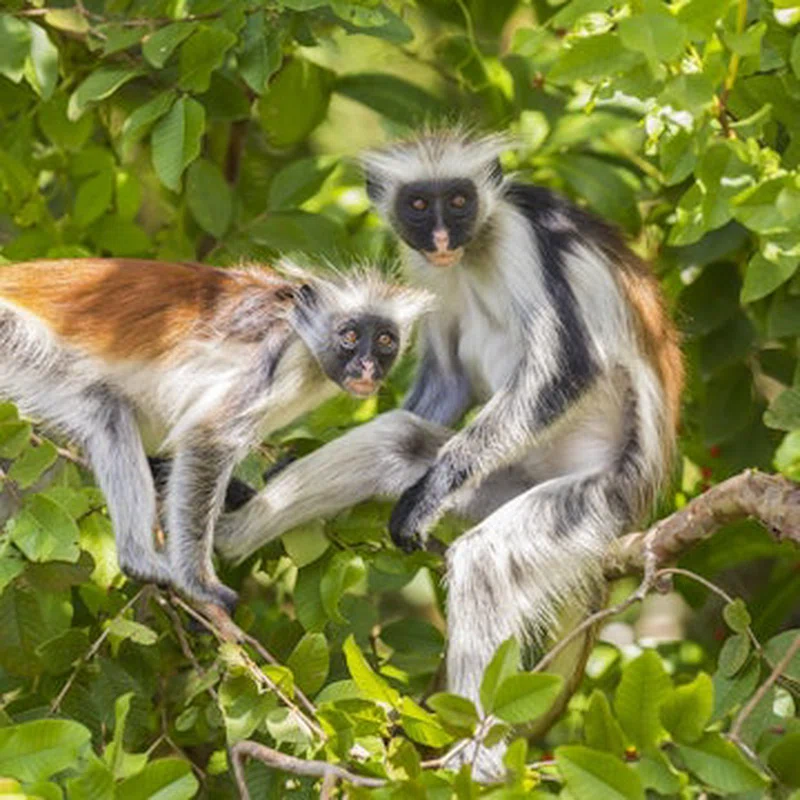
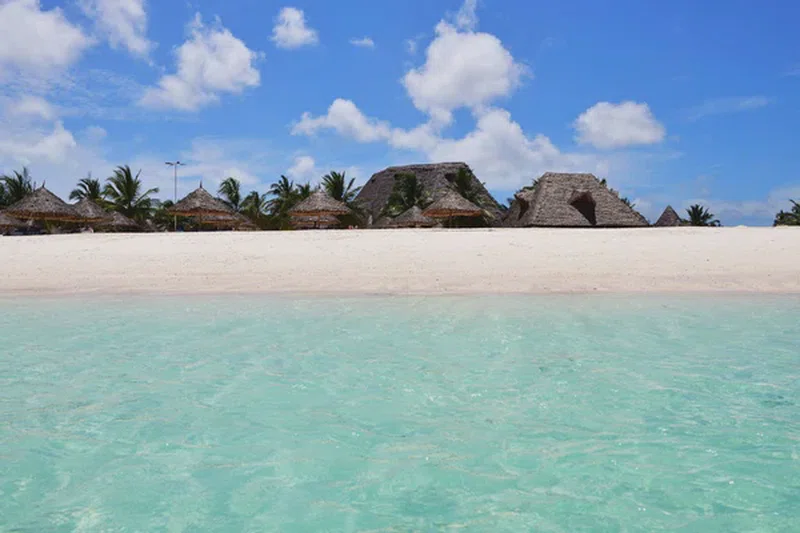
Zanzibar Island, officially known as Unguja, is the largest and most populated island of the Zanzibar archipelago, situated in the Indian Ocean approximately 35 kilometers (22 miles) off the coast of east-central Africa, part of Tanzania. The island spans about 85 kilometers (53 miles) in length and 30 to 39 kilometers (19 to 24 miles) in width, covering an area of roughly 1,554 to 1,666 square kilometers (600 to 643 square miles). Its landscape is generally low-lying but features a hilly central axis, with the highest point being Masingini at 119 meters (390 feet) above sea level. The coastline is adorned with beautiful sandy beaches and vibrant fringing coral reefs, which are rich in marine biodiversity. Inland, the terrain includes small patches of indigenous evergreen forest, dense thicket vegetation in open coral-outcrop areas, and grass-covered clay plains.The island boasts a unique ecology, home to several notable mammal species. Among these are the endemic Zanzibar red colobus, one of Africa's rarest primates, and the recently described Zanzibar servaline genet. Other wildlife includes African palm civets, various monkeys, bushpigs, small antelopes, and a wide array of birdlife and butterflies. The elusive Zanzibar leopard, once thought extinct, has also been sighted. The surrounding coral reefs teem with marine life, offering habitats for dolphins, sea turtles, manta rays, and numerous fish species.Zanzibar Island holds significant historical and cultural importance, shaped by its strategic location on ancient Indian Ocean trade routes that attracted traders and colonists from Arabia, South Asia, and mainland Africa. This rich tapestry of influences has created a unique Swahili culture, evident in the island's architecture, language, and traditions. Stone Town, the historic center of Zanzibar City and a UNESCO World Heritage Site, is a living testament to this heritage, with its labyrinthine narrow alleys, bustling marketplaces, intricately carved wooden doors, mosques, palaces, and an old fort. The island was once the capital of the Omani Sultanate in 1832 and became a major hub for the slave and ivory trade. Today, the economy relies heavily on tourism, alongside traditional agriculture, particularly the production of cloves and other spices, earning it the nickname "Spice Island". Fishing and seaweed farming also contribute to the local economy. The island is predominantly Muslim, and the local dialect, Kiunguja, is the basis for standard Swahili.
Quick Info
Own this place?
Claim it to manage photos, respond to visitors, and promote it to travelers.
Claim this listing →





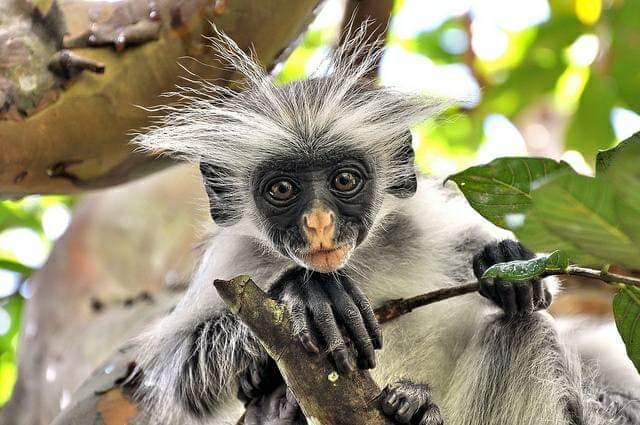
Jozani Forest Walking Tour Zanzibar
0.0 km away

Spice Farm Zanzibar
0.0 km away

Maruhubi Palace
0.0 km away

Tanzania Safari and Zanzibar Beach Holiday Packages
0.0 km away
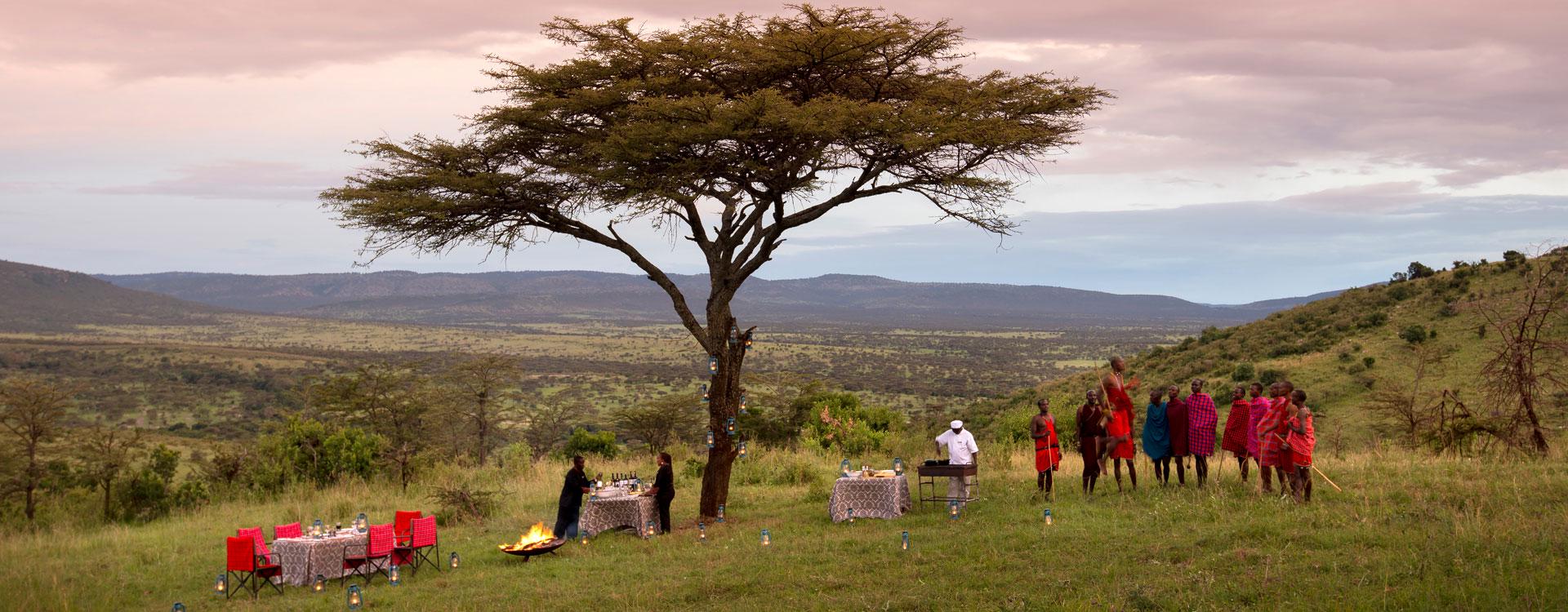
10 Days Bush And Zanzibar Beach Safari
0.0 km away

Zanzibar Excursions and Tours
0.0 km away
Weather & Rainfall Patterns
Station: 58s394e · 21.5 km away · -9999m