
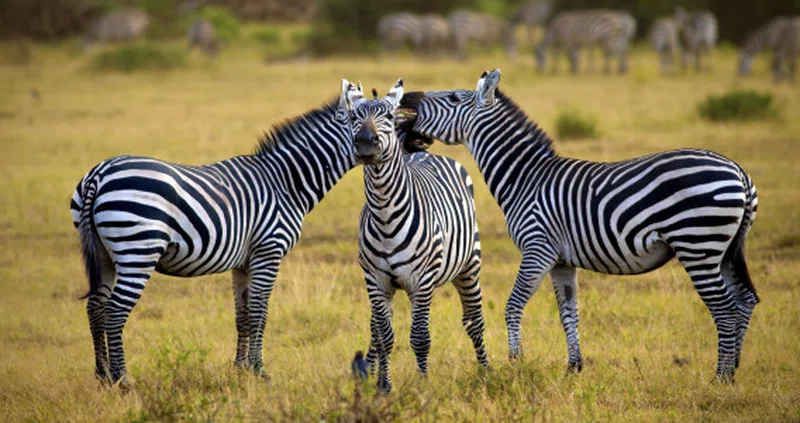
Lake Eyasi
Lake Eyasi is a seasonal, shallow, endorheic salt lake situated on the floor of the Great Rift Valley in northern Tanzania, specifically in the Karatu District of the Arusha Region. It lies at the base of the Serengeti Plateau, south of Serengeti National Park, and immediately southwest of the Ngorongoro Crater in the Crater Highlands. The lake is elongated, stretching approximately 50 miles (80 km) from southwest to northeast, and covers an area of about 1,050 square kilometers (400 square miles). Its elevation is around 1,030 meters (3,400 feet). The landscape around Lake Eyasi is distinct from the surrounding areas, often appearing tropical with palm trees, umbrella thorn acacia, and ancient baobab trees. The lake's walls are composed of purple lava, enclosing broad expanses of white alkaline shallows. The principal inflow is the Sibiti River, with other seasonal rivers contributing to its water levels.The water levels of Lake Eyasi fluctuate dramatically between the rainy and dry seasons; during dry periods, the lake can almost entirely disappear, allowing local tribes to walk across it. Conversely, in wet years, it can flood its banks and attract hippopotamuses from the Serengeti. Despite these fluctuations, the lake's depth typically remains less than one meter even when full. Lake Eyasi is a haven for birdwatchers, attracting vast numbers of species including flamingos, great white pelicans, African spoonbills, yellow-billed storks, pied avocets, and grey-headed gulls. The surrounding acacia woodlands, bushland, and open grasslands also support various wildlife such as monkeys, giraffes, leopards, and zebras.Culturally, Lake Eyasi is profoundly significant as the homeland of several indigenous tribes, most notably the Hadzabe (also known as Hadza) and Datoga. The Hadzabe are one of Africa's last remaining communities of nomadic hunter-gatherers, having inhabited the area for over 10,000 years and maintaining their traditional lifestyle of hunting with bows and arrows made from local materials and gathering fruits and honey. They live in caves and use animal skins for clothing. The Datoga, on the other hand, are pastoralists and skilled silversmiths who trade with the Hadzabe. Visitors to Lake Eyasi can engage in cultural experiences such as observing Hadzabe hunting displays, gathering honey, traditional dance performances, and visiting Datoga homesteads and silversmiths. The region also holds archaeological importance, with Mumba Cave yielding Middle and Late Stone Age artifacts.
Quick Info
Own this place?
Claim it to manage photos, respond to visitors, and promote it to travelers.
Claim this listing →




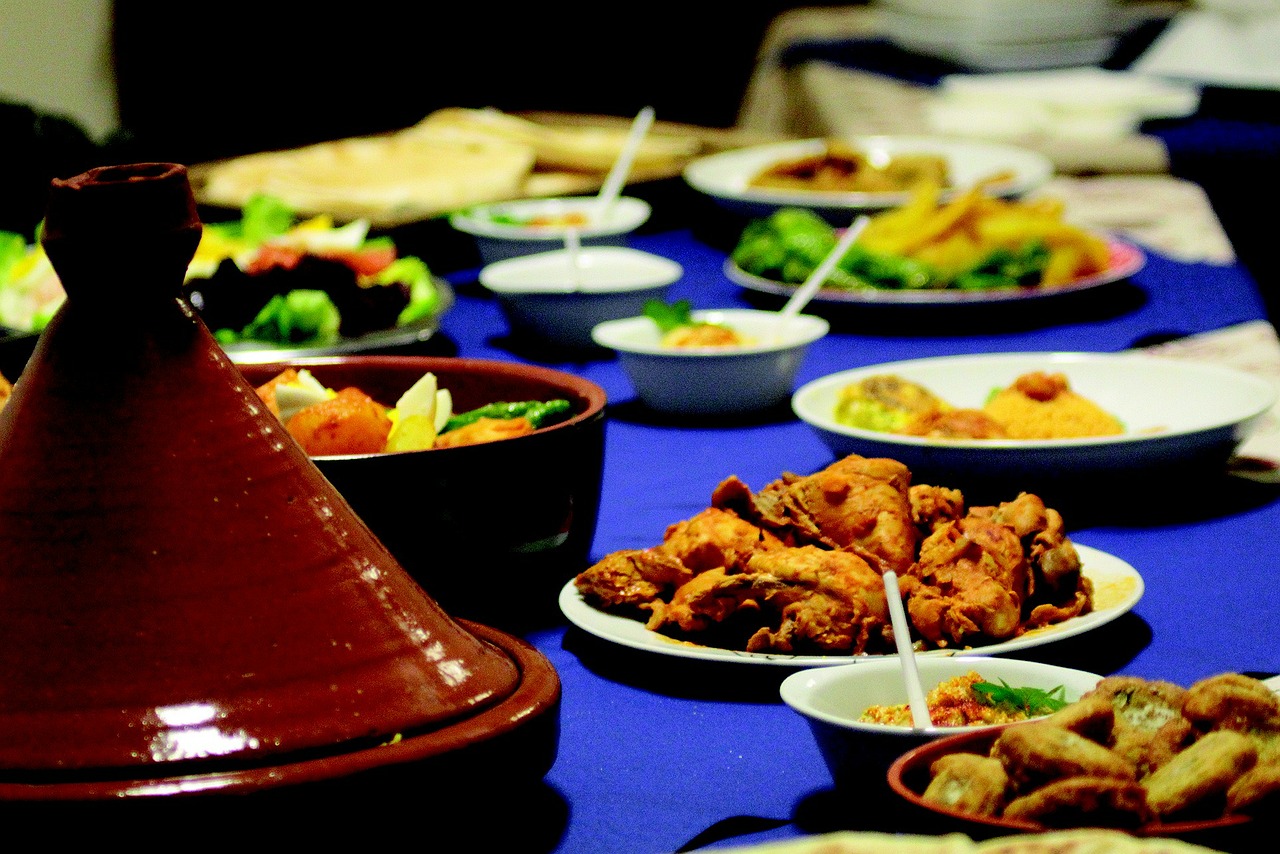

1-Day Hadzabe and Datoga Tribes Visit from Arusha
0.0 km away
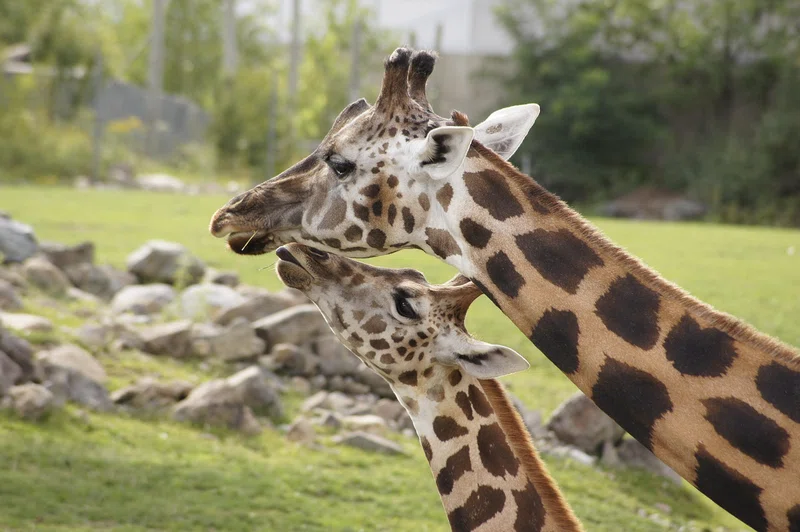
4-Day Classic Safari with Hadzabe Tribe Visit Tour
0.0 km away

Ngorongoro Crater Day Trip
0.1 km away
6-Day Manyara, Serengeti and Ngorongoro National Parks
0.1 km away
3-Day Great Migration Serengeti & Ngorongoro Area -Ndutu
0.1 km away
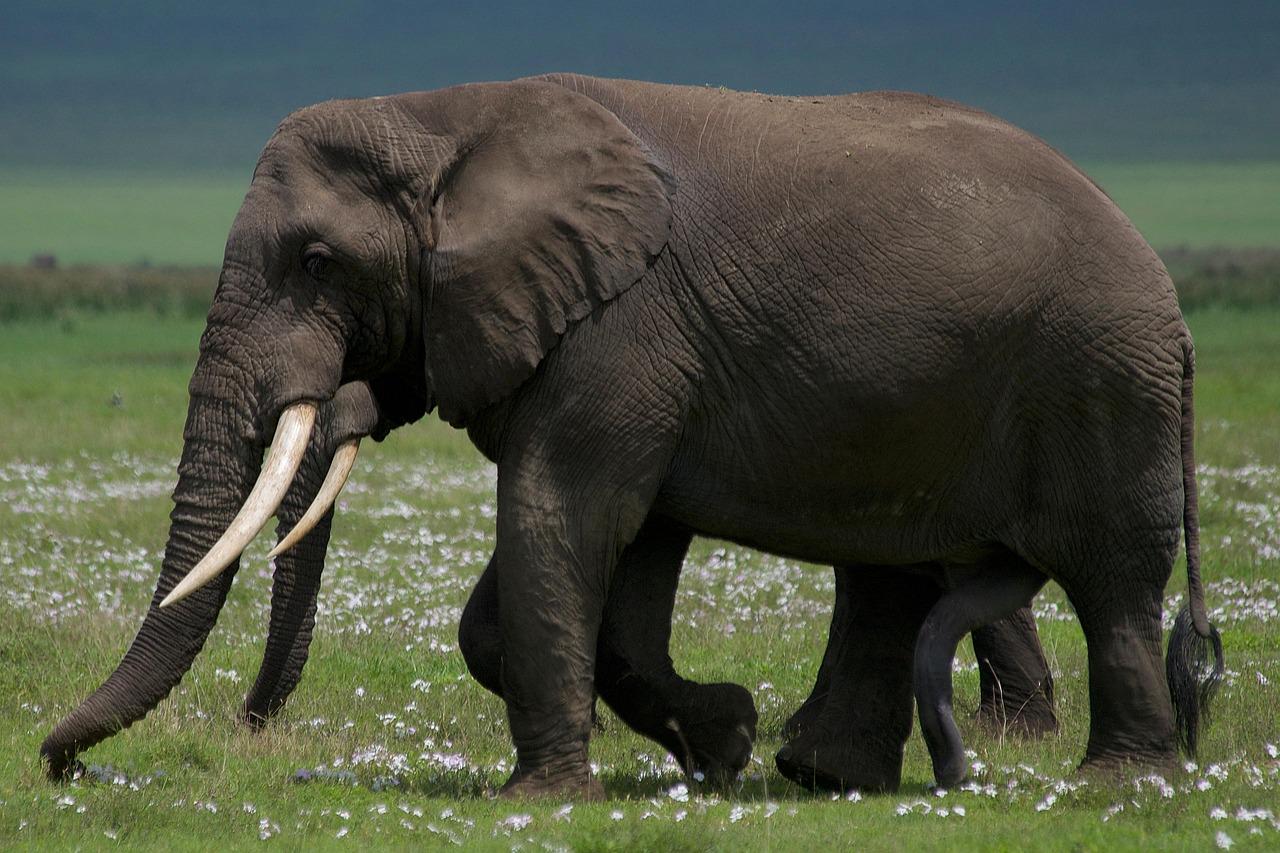
Ngorongoro Crater Safari
0.1 km away
Weather & Rainfall Patterns
Station: 33s350e · 17.6 km away · 1689m