
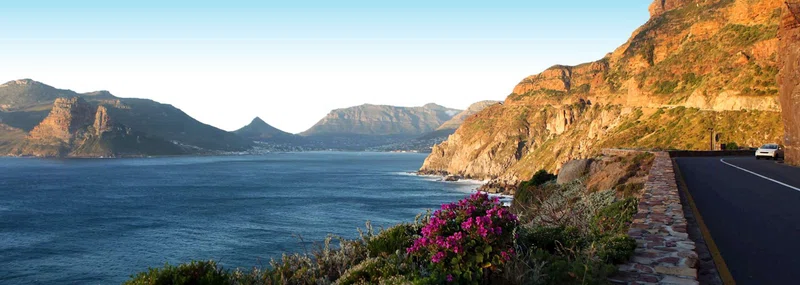
Cape Peninsula
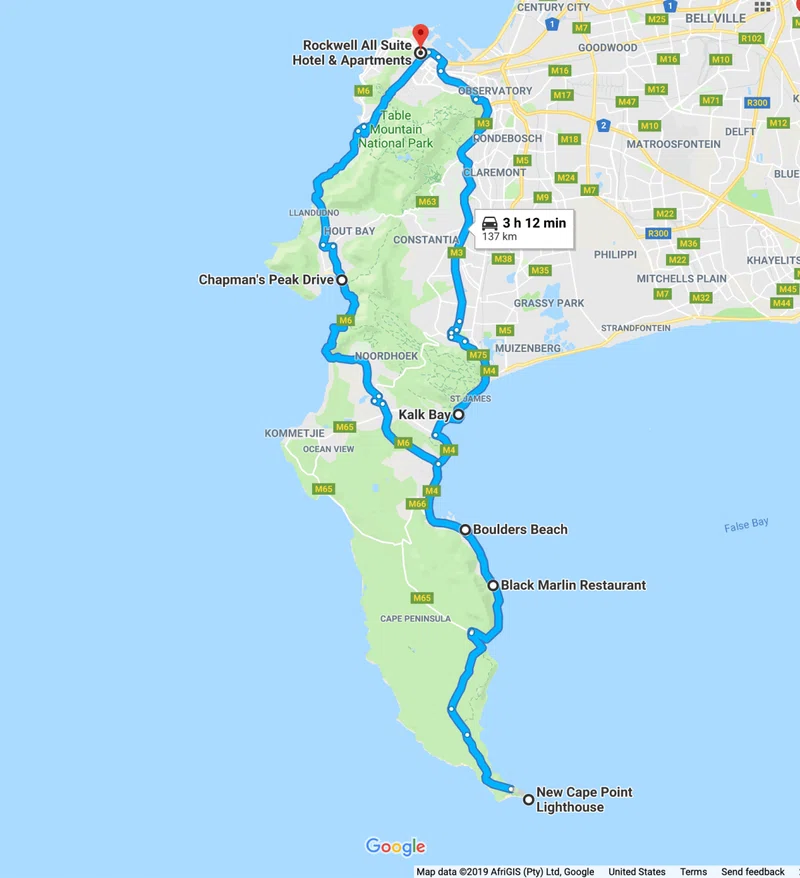
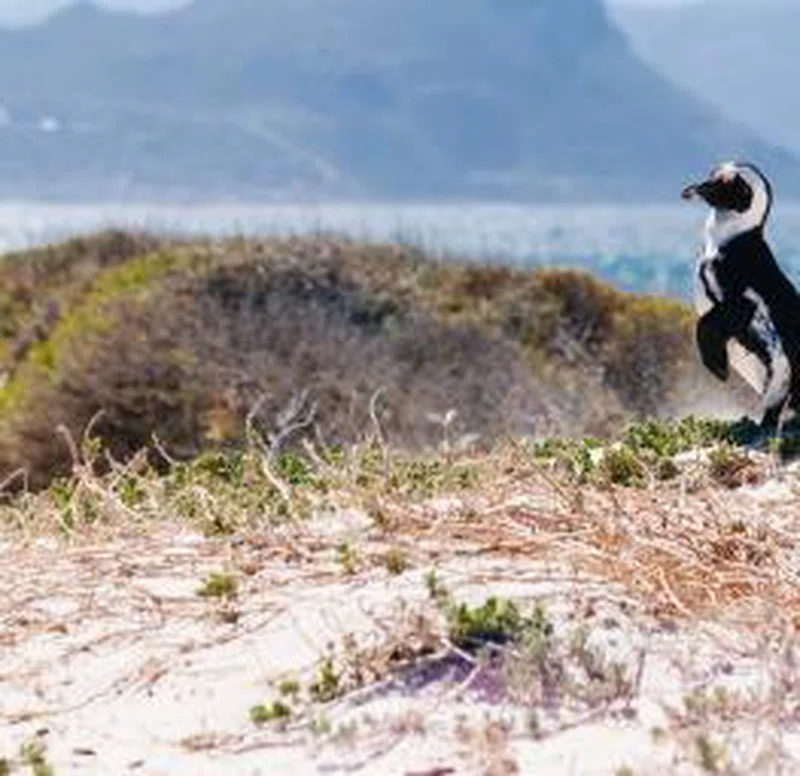
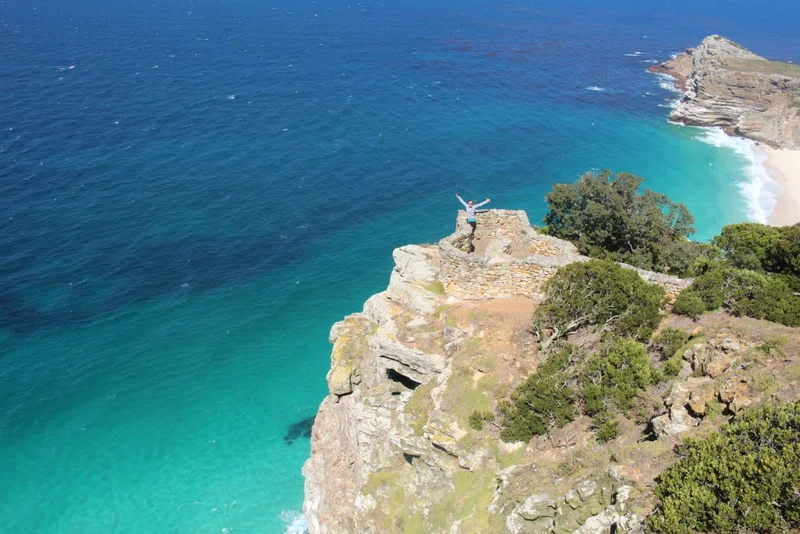
The Cape Peninsula is a dramatic, mountainous landmass extending into the Atlantic Ocean at the southwestern tip of the African continent, forming a significant part of the City of Cape Town metropolitan municipality. Stretching 52 kilometers from Mouille Point in the north to Cape Point in the south, it encompasses an area of approximately 470 square kilometers. The peninsula's landscape is characterized by ancient, durable sandstone formations, with iconic landmarks such as Table Mountain dominating the northern end and Cape Point and the Cape of Good Hope at its southern extremity. The region experiences a Mediterranean climate, featuring warm, dry summers and cool, wet winters.This magnificent stretch of coastline is a global hotspot for biodiversity, particularly within the Cape Floristic Region. It is home to an exceptionally diverse natural vegetation, predominantly various types of fynbos shrubland, with an estimated 2,200 plant species confined to the Table Mountain range alone, many of which are endemic and endangered. The Table Mountain National Park, established in 1998, protects a large portion of this unique environment, including its rich flora and fauna. Wildlife includes dassies (rock hyrax), porcupines, mongooses, snakes, lizards, tortoises, and the rare endemic Table Mountain ghost frog. Baboons are also present on the southern mountains, and the coastal waters teem with marine life such as penguins, sharks, whales, and dolphins.The Cape Peninsula offers a wide array of activities for outdoor enthusiasts and travelers. Visitors can explore pristine beaches, towering cliffs, and lush forests, with opportunities for hiking, cycling, and free diving in its turquoise waters. Notable attractions include Chapman's Peak Drive, known for its scenic views, the African penguin colony at Boulders Beach in Simon's Town, and the historic Het Posthuys Museum. The area also features charming coastal towns like Noordhoek, Muizenberg (a renowned surfing spot), and Hout Bay, each offering unique experiences, from local markets and fresh seafood to historical sites and marine safaris. Human occupation dates back over 200,000 years, with early San hunter-gatherers and later Khoikhoi pastoralists influencing the landscape. European colonization, particularly by the Dutch and British, led to agricultural development and the establishment of naval bases like Simon's Town, further shaping the peninsula's cultural and historical significance.
Quick Info
Own this place?
Claim it to manage photos, respond to visitors, and promote it to travelers.
Claim this listing →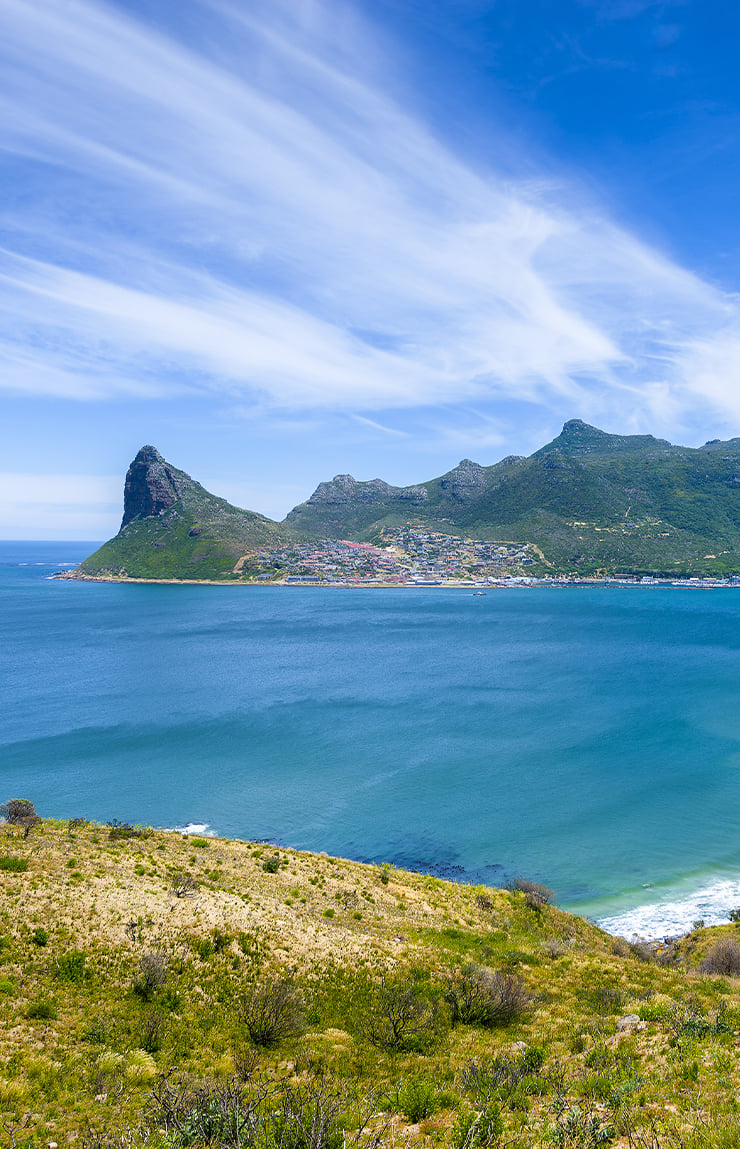










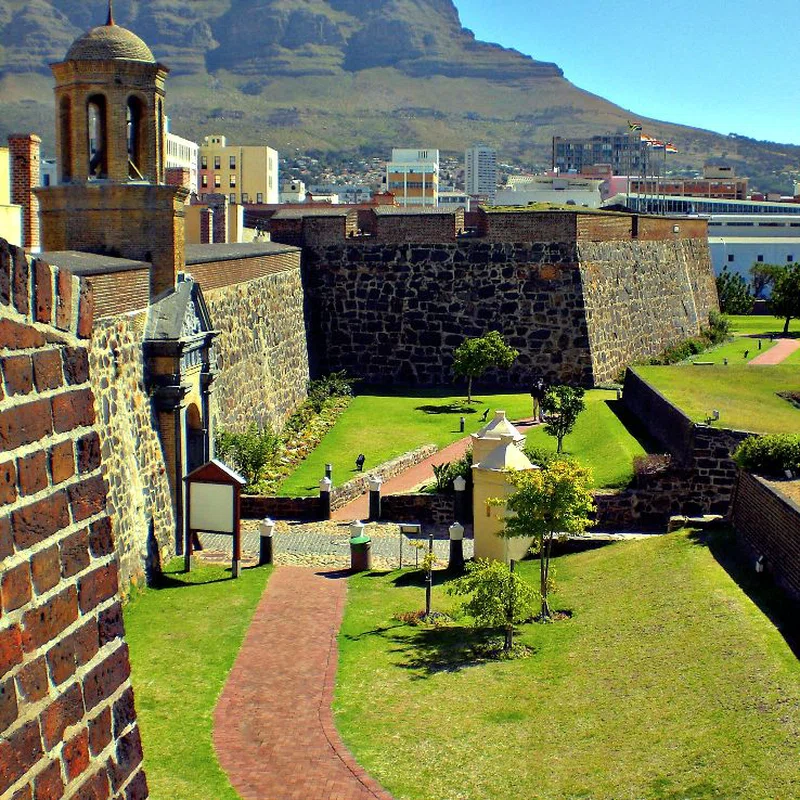
Castle of Good Hope
0.0 km away

Cape Town City Tour
0.0 km away
Garden Route, Karoo, Swaziland Tour
0.0 km away
11 to 15 Day Tours
0.0 km away
Mozambique Tours
0.0 km away
Day Safari
0.0 km away
Weather & Rainfall Patterns
Station: 345s184e · 28.9 km away · -9999m