
Mafia Island
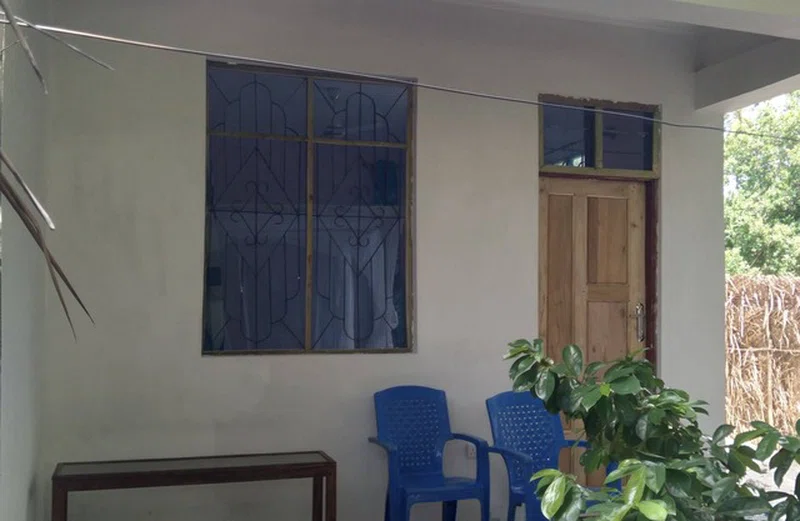
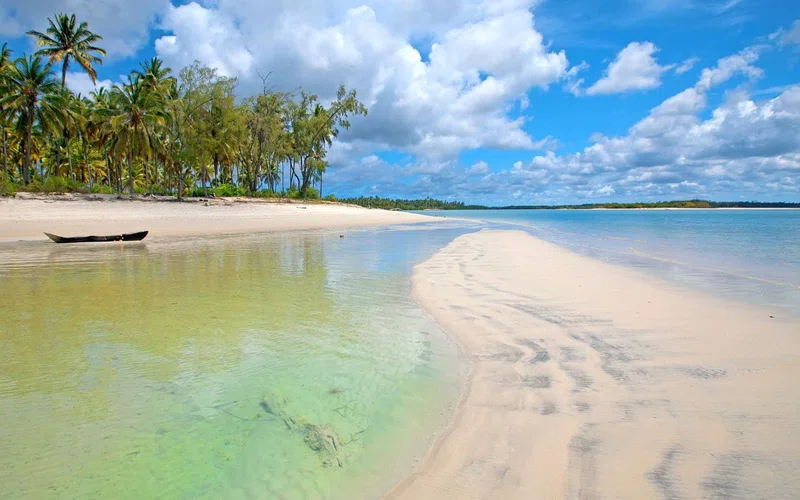
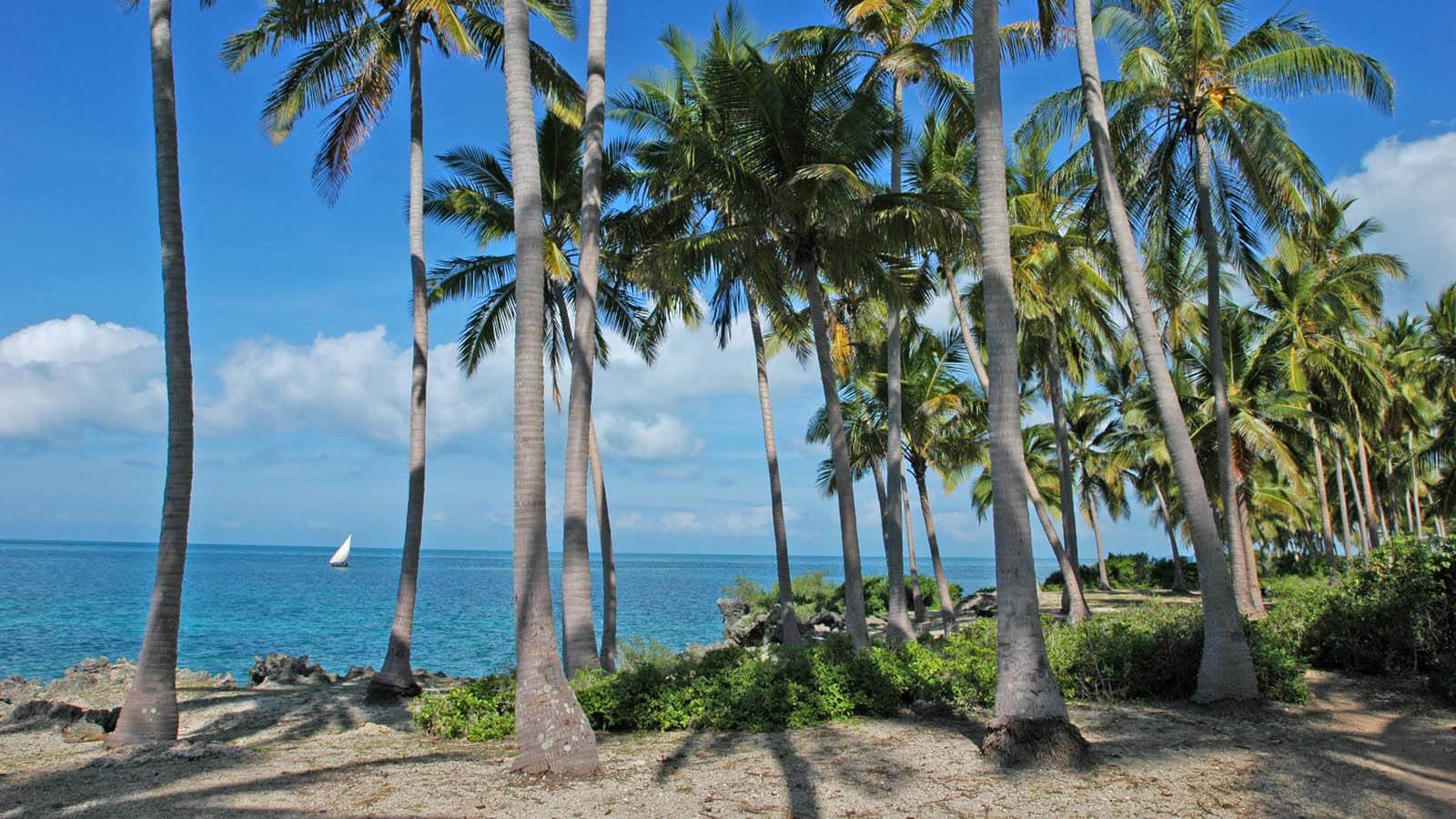
Mafia Island, also known as Chole Shamba, is a significant island in the Indian Ocean, situated off the eastern coast of Tanzania, approximately 130 km southeast of Dar es Salaam and opposite the Rufiji River delta. It is the third-largest island in Tanzanian ocean territory, measuring about 50 kilometers long and 15 kilometers wide, covering an area of 435 km². The island is separated from the mainland by the 20-kilometer-wide Mafia Channel. The main settlement is Kilindoni on the west coast, while the east coast features Chole Bay, a protected deep-water anchorage dotted with islets, sandbanks, and beaches, shielded by coral reefs and Juani Island. The island's diverse ecosystems include mangrove swamps, coastal forests, scrublands, and grasslands.A major draw of Mafia Island is the Mafia Island Marine Park, Tanzania's first multi-user marine park, established in 1995. This extensive park, covering over 822 km², is a critical site for biodiversity, boasting an outstanding mosaic of tropical marine habitats such as vibrant coral reefs, seagrass beds, and mangroves. The waters are teeming with marine life, including over 50 types of corals and 400 species of fish. Mafia Island is particularly renowned for its seasonal population of whale sharks, the world's largest fish, which can be observed and swum with between October and March. The island's beaches also serve as nesting grounds for two species of sea turtles. Popular activities revolve around its rich marine environment, offering world-class diving, snorkeling, and fishing. Beyond the underwater world, visitors can explore historical ruins on Chole and Juani islands, a 19th-century lighthouse, and a freshwater lake inhabited by hippos.Mafia Island holds considerable historical and cultural significance, having been mentioned as early as the 8th century as a crucial stop on ancient trade routes between East Asia and East Africa. The archipelago contains antiquities dating back to the 11th century. Its name is thought to originate from either the Arabic "morfiyeh," meaning "group" or "archipelago," or the Swahili "mahali pa afya," meaning "a healthy dwelling-place." The island's relatively untouched nature, with fewer than a thousand visitors annually, preserves its traditional Swahili Coast charm, offering a peaceful and authentic experience distinct from more heavily touristed destinations like Zanzibar.
Quick Info
Own this place?
Claim it to manage photos, respond to visitors, and promote it to travelers.
Claim this listing →

Weather & Rainfall Patterns
Station: 80s394e · 31.6 km away · 1m