

Karamoja Region
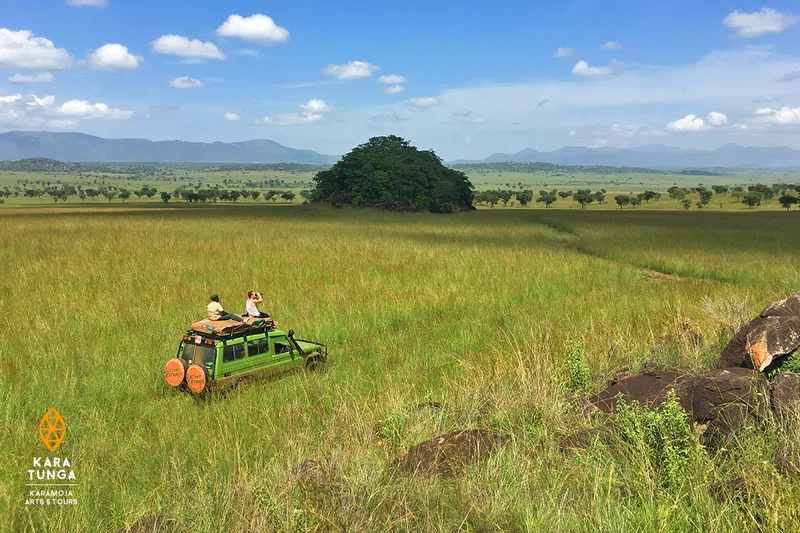
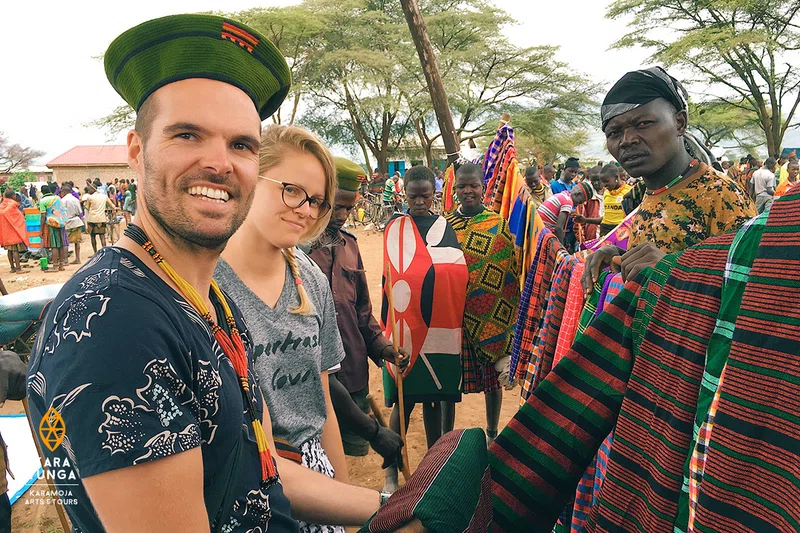
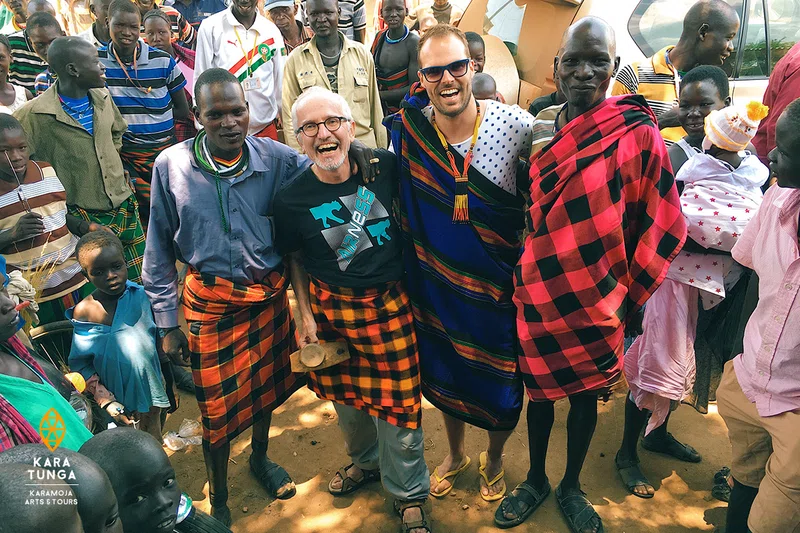
Karamoja Region is a vast, semi-arid area located in northeastern Uganda, bordering Kenya and South Sudan. It covers approximately 27,511 to 27,700 square kilometers and is home to an estimated 1.4 to 1.6 million people, predominantly the Karamojong ethnic group and other smaller communities like the Pokot, Tepeth, and Ik. The region is characterized by expansive savannah grasslands, isolated woodlands on mountain slopes, and ephemeral streams, with a topography of a low-lying plateau. Its name is believed to originate from the Karamojong phrase "ekar ngimor" or "Akara emojong," meaning "the old men can walk no further" or "the old man is tired," reflecting their historical migration and settlement.The Karamojong people are renowned for their resilient, semi-nomadic pastoralist lifestyle, with cattle holding central importance in their culture, symbolizing wealth, and playing a vital role in daily life, traditions, and social status, including marriage rites. They live in circular homesteads called "manyattas," constructed from thorn bush fences, mud, and wood, designed for communal living and livestock protection. Cultural practices are rich with music, dance, storytelling, and visual art, featuring unique attire, intricate beadwork, and body markings. Visitors can engage in cultural tours, experiencing village life, traditional ceremonies, and even spending a night with nomadic warriors in a "kraal". The region also boasts ancient rock art sites, such as Nyero, Kadam Rock, Napak Rock, and Mount Moroto, depicting animals and people.Karamoja is a significant destination for wildlife and adventure tourism, featuring several protected areas. These include the renowned Kidepo Valley National Park, often called "Africa's True African Wilderness," which is Uganda's third-largest national park and home to unique species like cheetahs, ostriches, lions, elephants, and giraffes. The Pian Upe Wildlife Reserve, Uganda's second-largest conservation area, along with Matheniko and Bokora Wildlife Reserves, also offers diverse wildlife viewing opportunities, including roan antelopes, zebras, and various predators. The rugged landscape provides excellent opportunities for hiking and trekking, with prominent mountains such as Mount Moroto (3,063m), Mount Kadam (3,063m), and Mount Morungole (home to the Ik tribe).Historically, Karamoja has faced challenges including conflict, cattle raiding, and food insecurity, leading to its marginalization and underdevelopment. However, recent years have seen significant improvements in infrastructure, particularly roads, enhancing accessibility and connectivity. Despite ongoing efforts to address poverty and improve basic services like clean water and electricity, challenges persist in more remote areas. The region's economy relies heavily on livestock and subsistence farming, with mining and tourism being promoted for development. A notable fossil discovery of Ugandapithecus major, a 20-million-year-old primate ancestor, was made here in 2011, highlighting its paleontological significance.
Quick Info
Own this place?
Claim it to manage photos, respond to visitors, and promote it to travelers.
Claim this listing →

Weather & Rainfall Patterns
Station: 30n338e · 25.4 km away · 1136m