
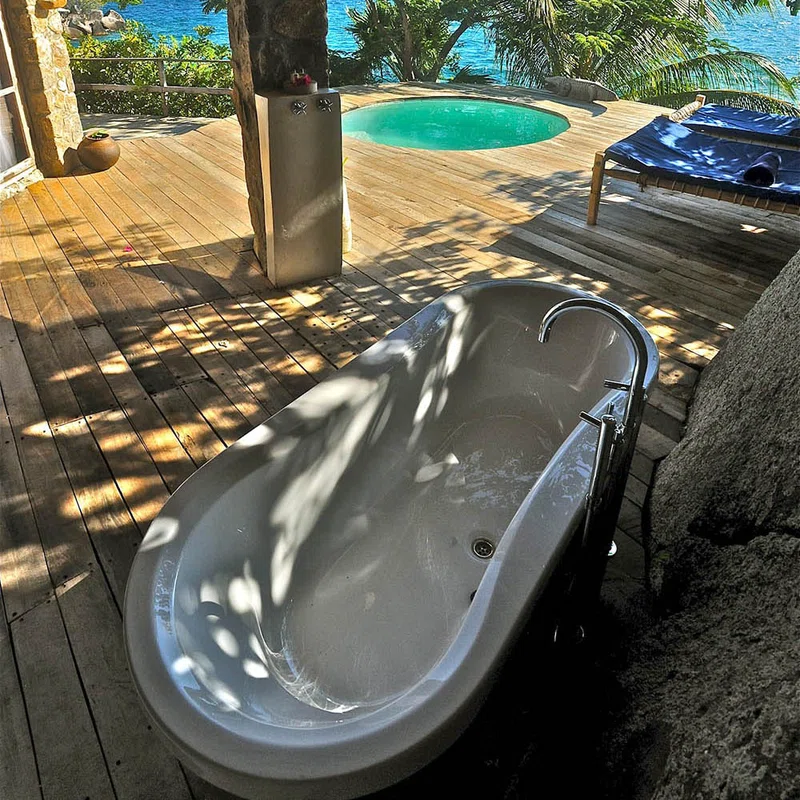
Likoma Island
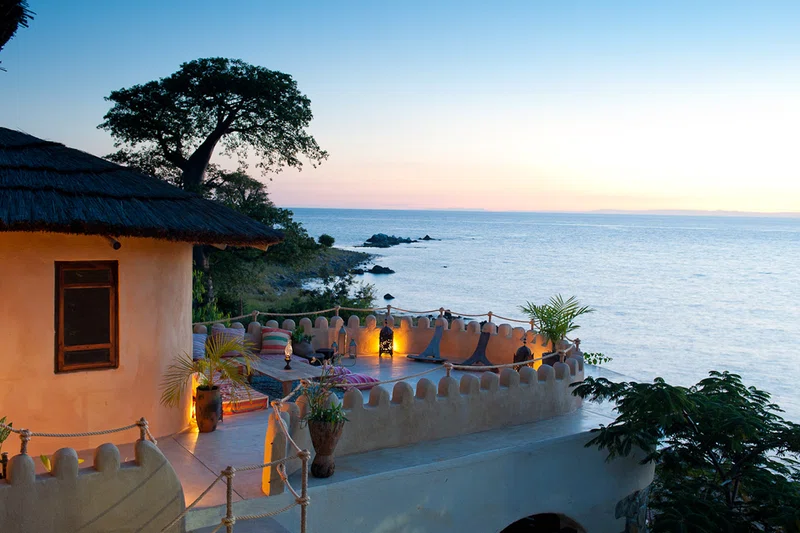
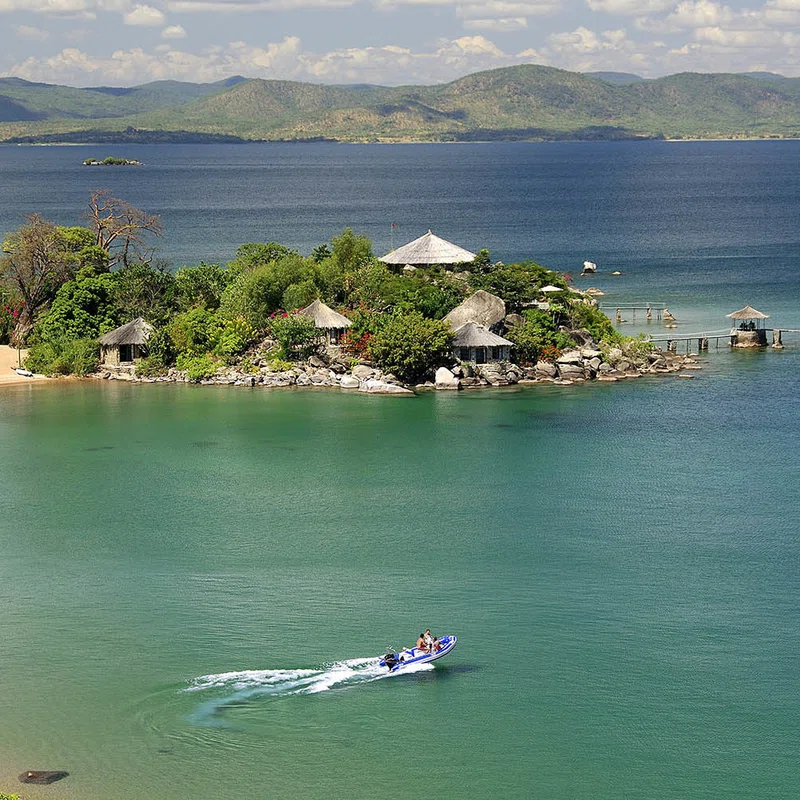
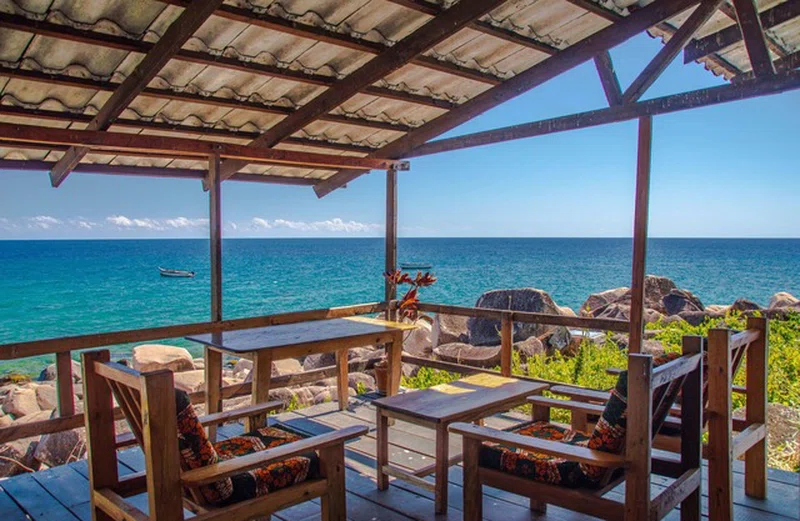
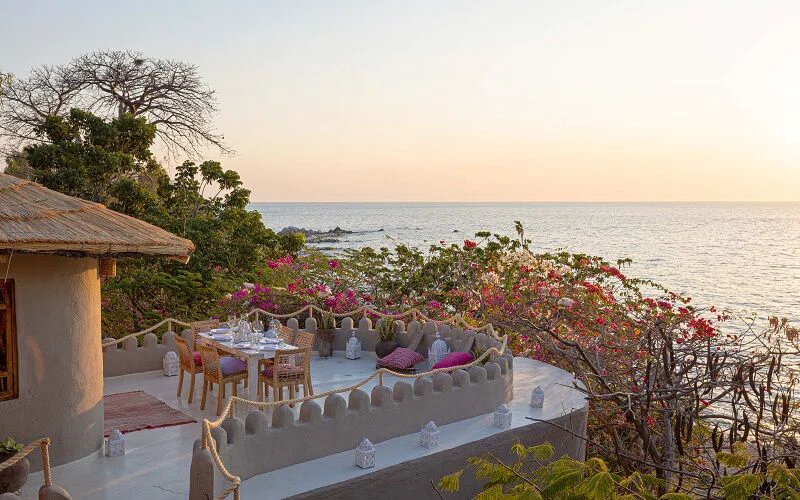
Likoma Island is the larger of two inhabited islands situated in the northeastern part of Lake Malawi, approximately 7 kilometers northwest of Cobue, Mozambique. Despite being entirely surrounded by Mozambican territorial waters, Likoma and its smaller neighbor, Chizumulu, are exclaves belonging to Malawi. The island spans an area of about 17 to 18 square kilometers. Its diverse coastline features rocky slopes, sandy bays, and swamps, while the interior is predominantly covered by grassland, dotted with numerous baobab and mango trees. The crystal-clear waters surrounding Likoma are renowned for their rich freshwater ecosystem, home to over 400 species of colorful cichlid fish, many of which are endemic to the Likoma area.The island's natural environment supports a variety of wildlife, including small reptiles, amphibians, and over 100 bird species such as African fish eagles, white-breasted cormorants, and kingfishers. Monkeys, baboons, and bushbucks are also present, with crocodiles occasionally sighted along the coast. Likoma offers a range of activities for visitors, from water sports like swimming, snorkeling, diving (with over 20 dive sites), sailing, kayaking, and paddle boarding, to land-based explorations. These include village tours, nature walks, birding, and biking through the island's charming communities.Likoma Island holds significant historical and cultural importance. Its settlement began as a refuge for natives fleeing the slave trade. In 1884, missionaries from the Universities' Mission to Central Africa, inspired by David Livingstone, established their headquarters here, a presence that ultimately led to the island being assigned to Malawi after World War II. A prominent landmark is St. Peter's Cathedral, an extraordinarily ambitious construction project that began in 1903 and held its first service in 1905. This magnificent Gothic structure is one of Central Africa's largest churches, comparable in size to Winchester Cathedral in the UK, and features stained glass and carved soapstone. The island's population of about 10,500, primarily Nyanja and Tonga people, engages mainly in fishing and agriculture. Cultural experiences include witnessing vibrant Malipenga and Chioda dance competitions, which are an integral part of Malawian heritage.
Quick Info
Own this place?
Claim it to manage photos, respond to visitors, and promote it to travelers.
Claim this listing →


Weather & Rainfall Patterns
Station: 120s344e · 26.4 km away · 472m