
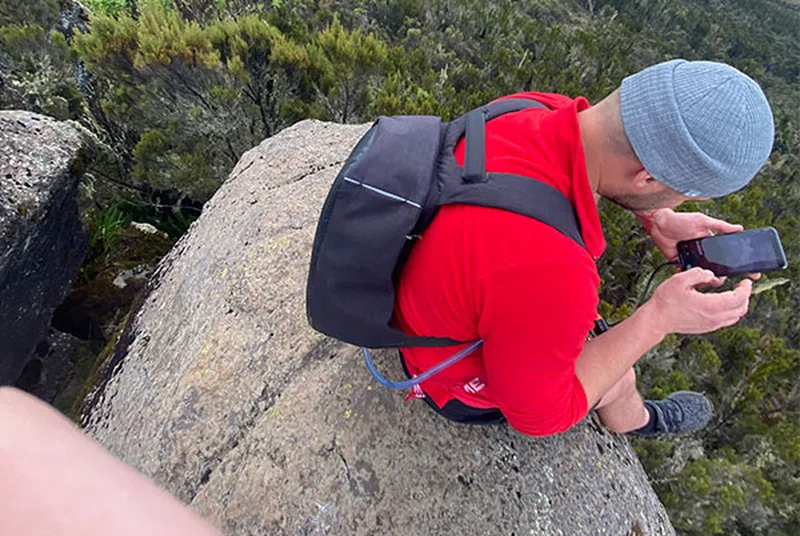
Uhuru Peak
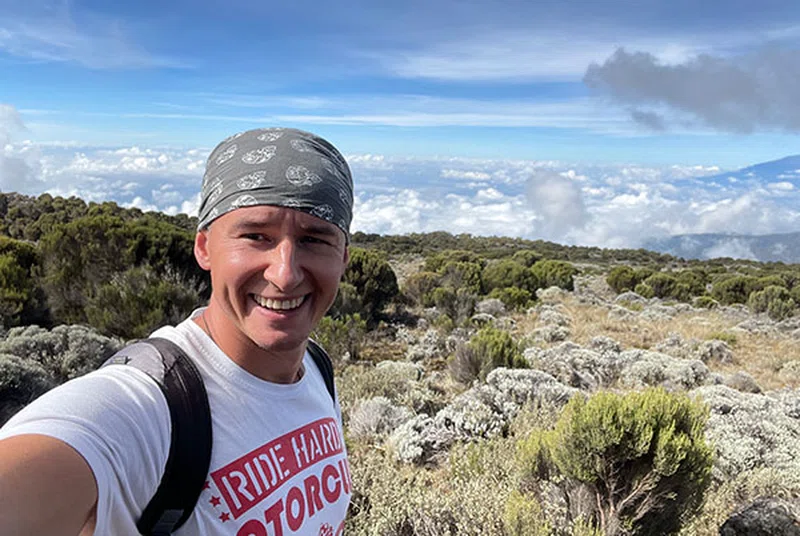
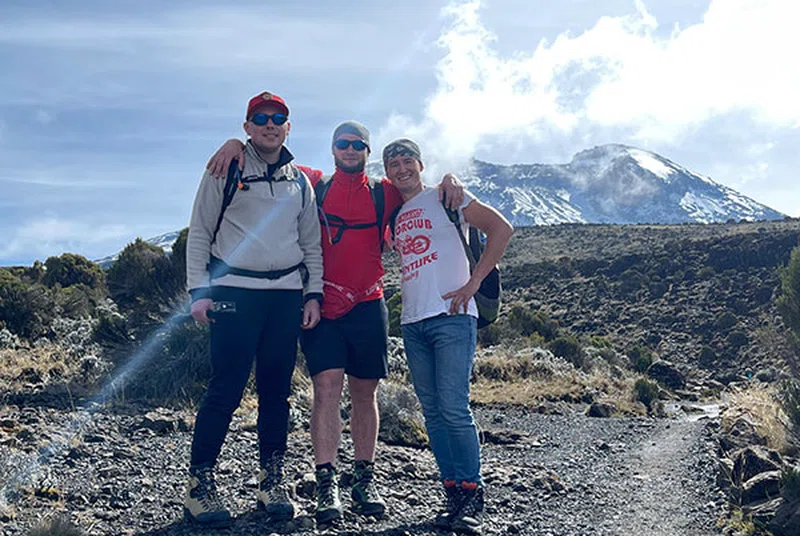
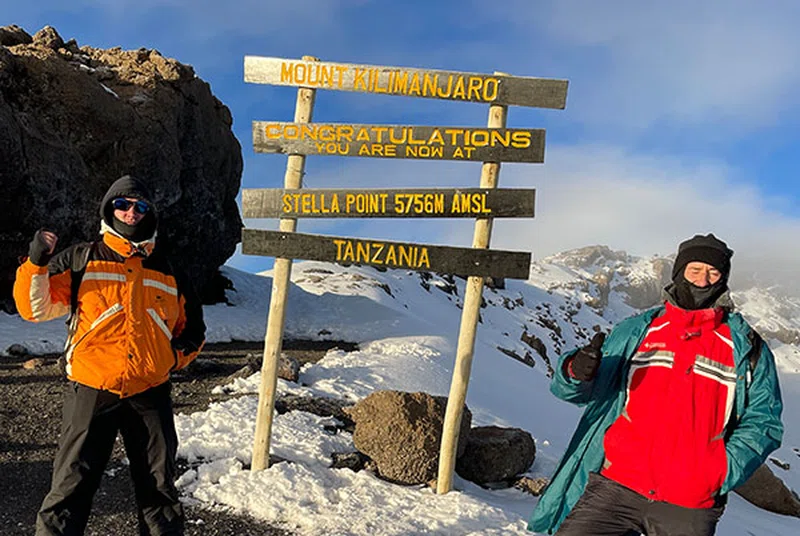
Uhuru Peak is the highest point of Mount Kilimanjaro, Africa's tallest mountain, located in Tanzania. Standing at an elevation of 5,895 meters (19,341 feet) above sea level, it is also recognized as the highest free-standing mountain in the world and one of the Earth's largest volcanoes. The peak is situated on Kibo, the largest of Kilimanjaro's three volcanic cones, which also include Mawenzi (5,149m) and Shira (3,962m). While Mawenzi and Shira are extinct, Kibo is considered dormant, with its last major eruption occurring approximately 150,000 to 200,000 years ago, though fumaroles still emit gas within its crater. The name "Uhuru" means "freedom" in Swahili, a name bestowed upon the peak in 1962, a year after Tanganyika (now part of Tanzania) gained independence from British colonial rule. Prior to this, from 1889 to 1962, it was known as Kaiser-Wilhelm-Spitze, named by German explorer Hans Meyer, who, along with Austrian alpinist Ludwig Purtscheller, made the first recorded ascent on October 6, 1889.The journey to Uhuru Peak traverses five distinct climatic zones, ranging from lush rainforests at the base to heather moorlands, alpine deserts, and finally, the arctic summit zone. The lower slopes, between 800 and 1,800 meters, are fertile and used for cultivation, while montane and cloud forests thrive at higher elevations, hosting endemic species like the giant groundsel Dendrosenecio kilimanjari. Wildlife, though rare at the summit, can be found in the lower forests, including elephants, Cape buffaloes, bushbucks, and various smaller animals. The summit itself is a harsh, icy landscape, with average temperatures around -7°C (19°F) and often dropping to -29°C (-20°F) at night, characterized by snow, glaciers, and bare rocks. Kilimanjaro's glaciers, including Credner, Furtwängler, and Rebmann, are rapidly shrinking and are projected to disappear entirely by the mid-21st century due to climate change.Uhuru Peak is a major hiking and climbing destination, attracting over 50,000 people annually, with various established routes like Marangu, Machame, Lemosho, and Rongai, which vary in difficulty and scenic beauty. While no technical climbing equipment is typically required for most routes, good physical fitness, proper acclimatization, and a guided tour are essential, as climbing alone is prohibited by Tanzanian law. Altitude sickness is a significant risk, making a slow and steady pace crucial for success. Upon reaching the summit, climbers are greeted by a famous wooden signpost marking the achievement, and a book is often available for visitors to record their thoughts. The best time to climb is during the dry seasons, typically from January to early March and June to October. The mountain was incorporated into Kilimanjaro National Park in 1973, highlighting its conservation importance.
Quick Info
Own this place?
Claim it to manage photos, respond to visitors, and promote it to travelers.
Claim this listing →




11-Day Mount Kilimanjaro (Marangu Route) + Short Safari
0.0 km away

4 Days Serengeti to Lake Manyara Safari
0.0 km away

5-Days Manyara, Serengeti & Ngorongoro Best Luxury Safari
0.0 km away
3 Days Tanzania Safari: Ngorongoro Crater & Lake Manyara
0.0 km away
1-Day Trip to Shira Plateau; Kilimanjaro Volcanic Wonder
0.0 km away
3-Day Luxury Engagement Safari at Buffalo Camp
0.0 km away
Weather & Rainfall Patterns
Station: 30s375e · 18.2 km away · 1926m