
Xai-Xai
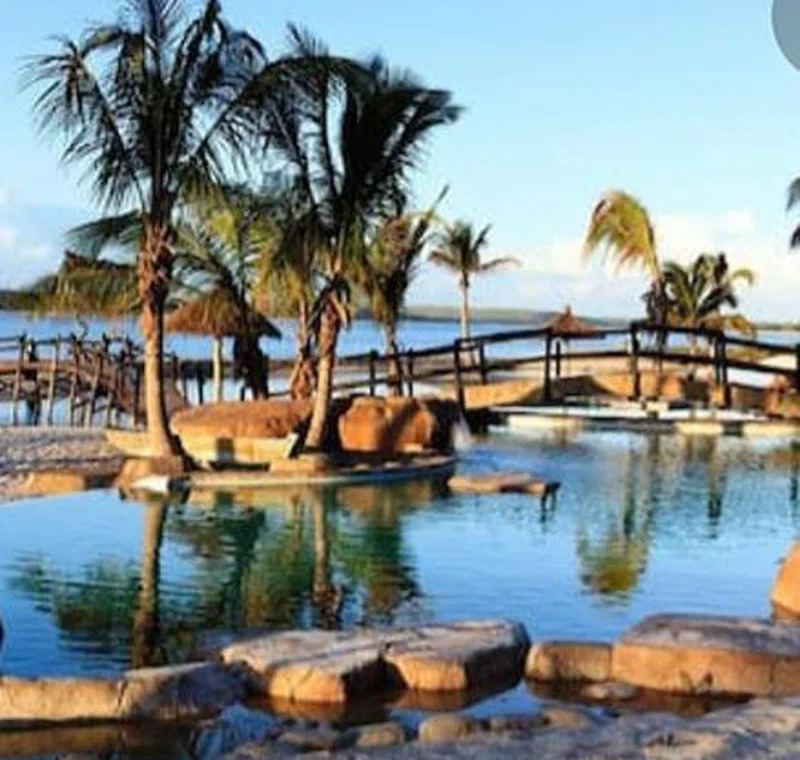
Xai-Xai is a significant port town and the capital of Gaza Province in southern Mozambique, situated on the eastern bank of the Limpopo River near its mouth, approximately 200 kilometers north of Maputo. The city, with a population of 116,343 as of 2007, lies within a wide, fertile plain renowned as the "Bread basket" of Mozambique due to extensive cultivation of rice and other cereal crops. The surrounding Xai-Xai Region, covering 1,908 square kilometers, is characterized by a tropical humid climate and is traversed by the Limpopo River.The coastal area of Xai-Xai is a popular tourist destination, featuring Xai-Xai Beach, located about 12 kilometers from the city. A protective coral reef runs parallel to the shore, creating calm waters ideal for swimming and snorkeling. Notable natural attractions include the Wenela Tidal Pool, situated two kilometers south of the town, which connects to the Indian Ocean via a natural tunnel and blow hole, and a large rock pool on Xai-Xai Beach that forms at low tides, providing a safe swimming area up to 200 meters long. The broader Gaza Province offers diverse activities such as recreational fishing, windsurfing, jet skiing, horse riding, quad bike tours, and whale watching, with opportunities to spot whales, dolphins, and turtles along its white sandy beaches. Inland, the province also hosts conservation areas like Limpopo and Banhine National Parks, and the Massingir Dam.Historically, Xai-Xai, formerly known as João Belo until Mozambique's independence in 1975, developed in the early 1900s under Portuguese rule as a vital port and an agricultural and industrial hub for processing rice and cashew nuts. The city is a bustling center with markets, shops, restaurants, bars, banks, and a post office. In 2000, Xai-Xai was severely impacted by the Limpopo floods, with some areas submerged under three meters of water, but it quickly recovered and reopened for business. Culturally, the Xai-Xai Region is home to communities, predominantly of the Tsonga ethnic group, who maintain traditional ceremonies at sacred natural sites, invoking ancestral spirits for various life events, though these practices face modern conservation challenges.





Weather & Rainfall Patterns
Station: 248s334e · 20.8 km away · 5m