
Nosy Be
Nosy Be, meaning "big island" in Malagasy, is a volcanic island situated off the northwest coast of Madagascar in the Mozambique Channel. It spans an area of 320.02 km² (123.56 sq mi) and had a population of 109,465 as of the 2018 census. The island's primary town is Andoany, commonly known as Hell-Ville. Its terrain is characterized by volcanic origins, with the highest point being Mont Lokobe at 450 m (1,480 ft), and features eleven volcanic crater lakes. Nosy Be experiences a tropical savanna climate, with a humid summer from December to February and a wet season extending from October to early May, followed by a shorter dry season through September.The island is renowned for its unique biodiversity, hosting some of the world's smallest frogs (Stumpffia pygmaea) and chameleons (Brookesia minima). The Lokobe Reserve, a Strict Nature Reserve, is a sanctuary for black lemurs and a distinct variety of panther chameleon (Furcifer pardalis). Other nocturnal wildlife includes mouse and dwarf lemurs, various chameleons, leaf-tailed geckos, frogs, and birds. The surrounding waters are also a habitat for a significant number of Omura's whales.Historically, Nosy Be's economy was centered on sugar cane plantations and derived products like sugar and rum. Today, its main economic drivers are the cultivation of ylang-ylang for essential oil production and tourism. It stands as Madagascar's most developed tourist destination, offering a range of all-inclusive resorts. The island's history includes early settlement by Antankarana and Zafinofotsy ethnic groups, followed by Sakalava people, and later by Comorians, Indians, and Antandroy. The French colonized the island in 1840, establishing Hell-Ville, and it served as a supply station for Russia's Second Pacific Squadron during the Russo-Japanese War in 1905.
Quick Info
Own this place?
Claim it to manage photos, respond to visitors, and promote it to travelers.
Claim this listing →


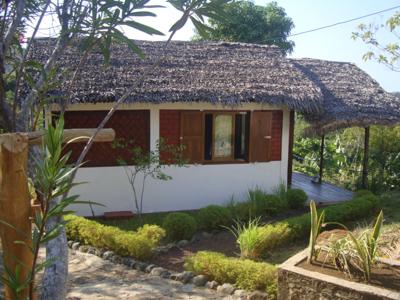






1-Day Nosy Be Cruise Ship Excursion Nosy Iranja
0.0 km away
Weather & Rainfall Patterns
Station: 133s484e · 33.2 km away · -9999m