

Limpopo Province
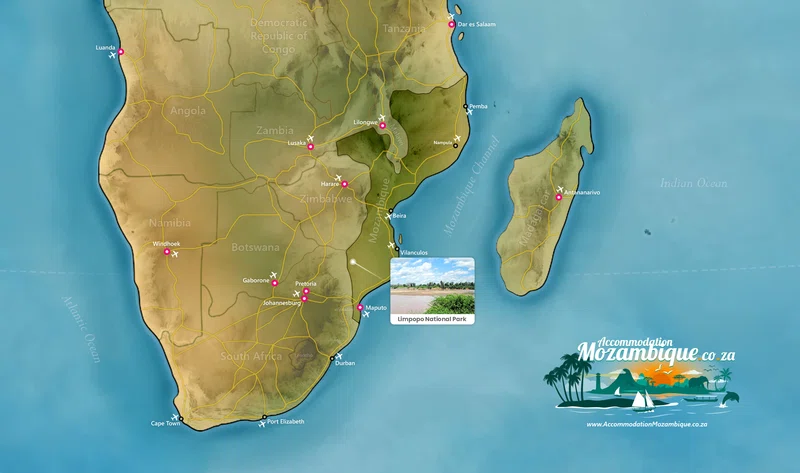
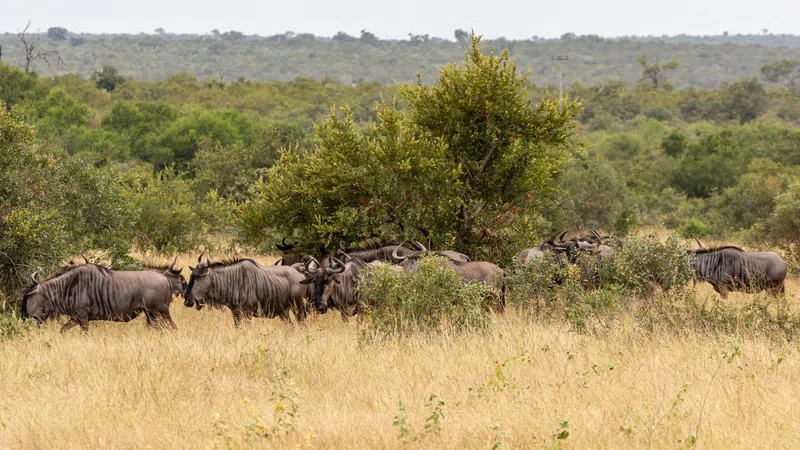
Limpopo Province is South Africa's northernmost province, sharing borders with Mozambique, Zimbabwe, and Botswana, making it a gateway to other African countries. It also borders the South African provinces of Mpumalanga, Gauteng, and North West. The province covers an area of 125,754 square kilometers (48,554 sq mi) and has a population of approximately 5.4 million people. Polokwane is the capital and largest city.The terrain of Limpopo is diverse, ranging from true Bushveld country to majestic mountains, primeval indigenous forests, and unspoiled wilderness. It contains much of the Waterberg Biosphere, a UNESCO Biosphere Reserve known for its diverse bird species, big game, and ancient trees. The northern part of the famous Kruger National Park is located in Limpopo, renowned for large herds of elephant and buffalo, as well as significant numbers of tsessebe and sable. Other notable natural features include the ancient Soutpansberg mountain range, a biodiversity hotspot, and the Magoebaskloof, an evergreen subtropical forest with waterfalls. The Limpopo River, after which the province is named, flows along its northern and western borders. The climate varies from hot, subtropical in the Lowveld to more temperate in the southern mountains.Limpopo is rich in cultural heritage and historical significance. The Mapungubwe Heritage Site, dating back to the Iron Age, showcases archaeological finds from a powerful local kingdom that existed between 800 CE and 1290 CE, complete with San rock art. The province is home to various ethnic groups, including the Pedi, Tsonga, and Venda, who contribute to its vibrant culture. Traditional leaders and chiefs play a significant role in the political landscape. The region is also known for its legends and mysteries, such as those surrounding Lake Fundudzi and Thathe Vondo Forest. Mining is a primary economic driver, with rich deposits of platinum-group metals, iron ore, chromium, coal, and diamonds. Agriculture is also significant, with double harvesting seasons allowing for the production of sunflowers, cotton, maize, peanuts, and tropical fruits like bananas, litchis, and mangoes.
Quick Info
Own this place?
Claim it to manage photos, respond to visitors, and promote it to travelers.
Claim this listing →
Weather & Rainfall Patterns
Station: 233s294e · 13.8 km away · 970m