
Tsingy De Bemaraha National Park
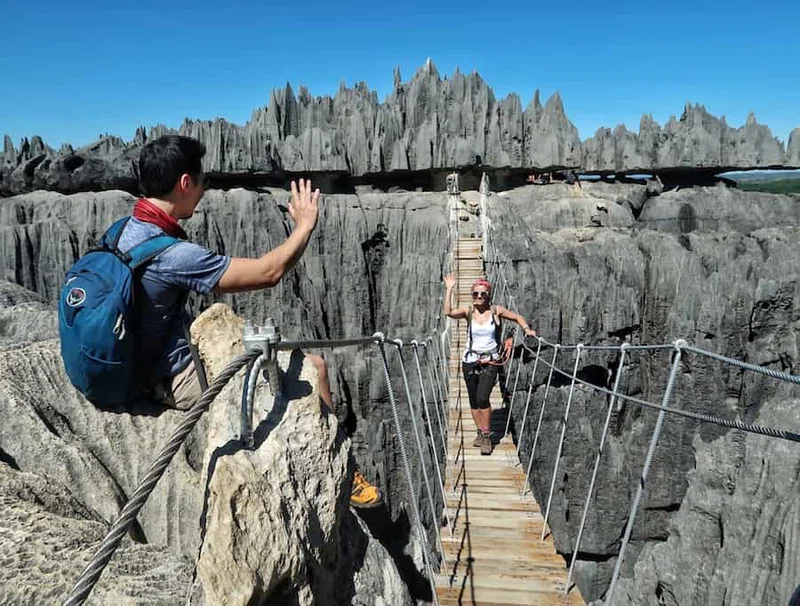
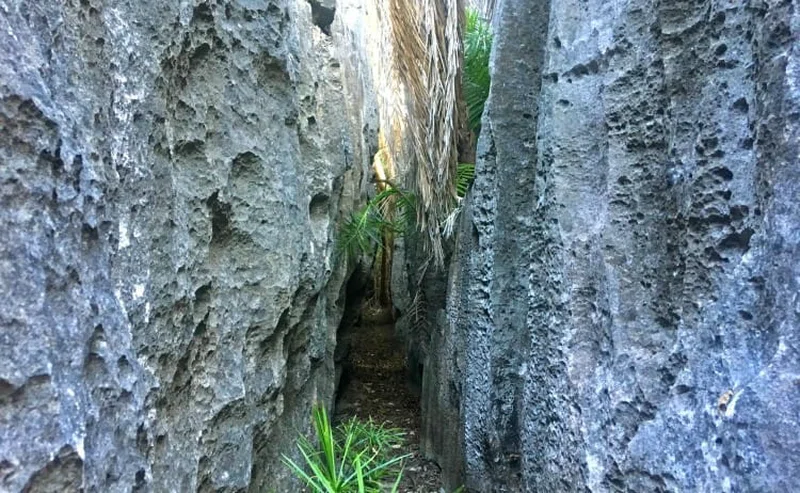
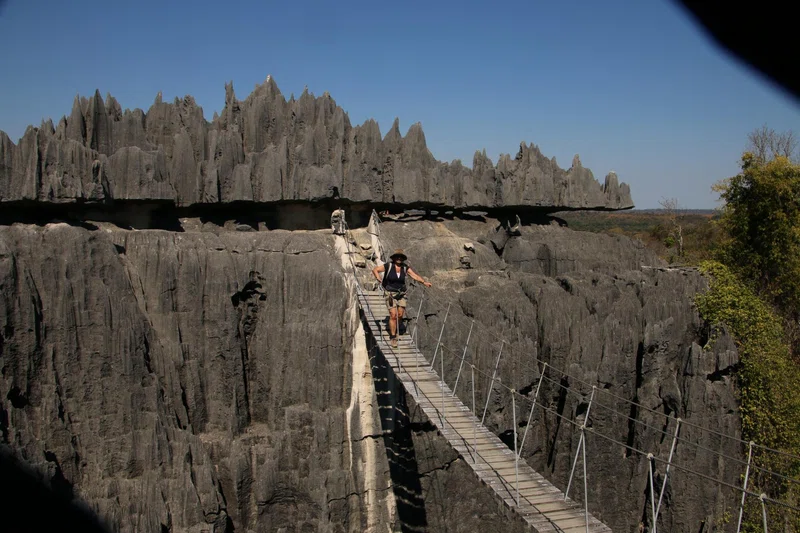
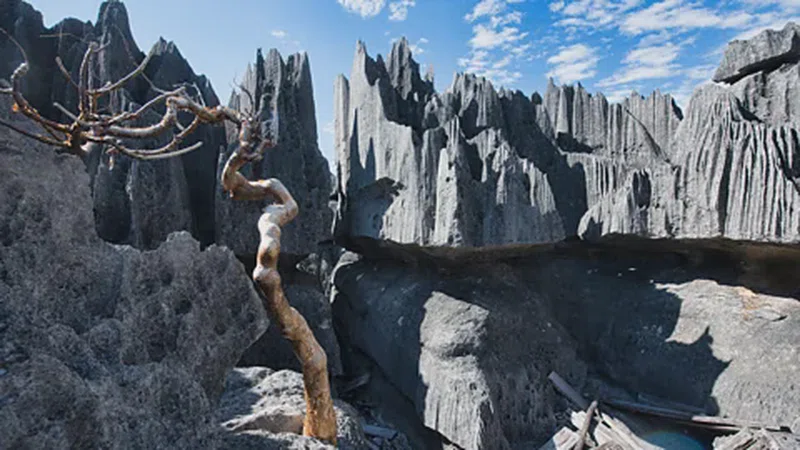
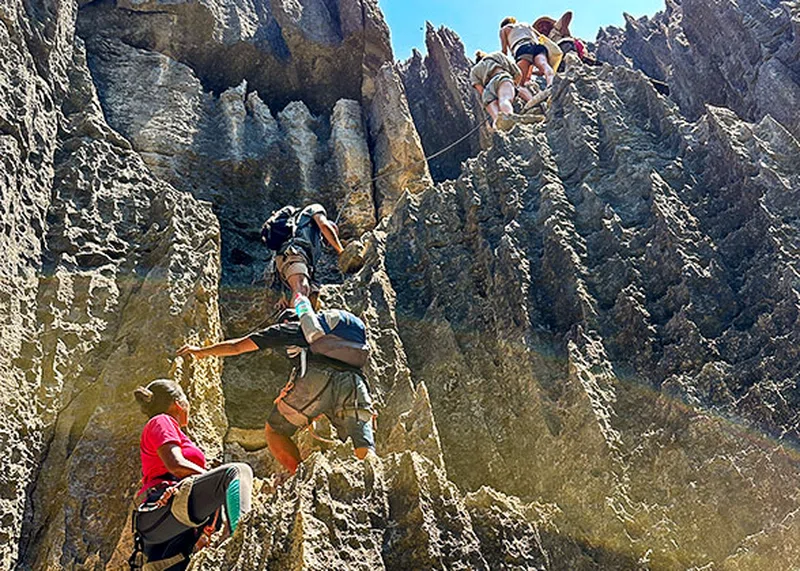
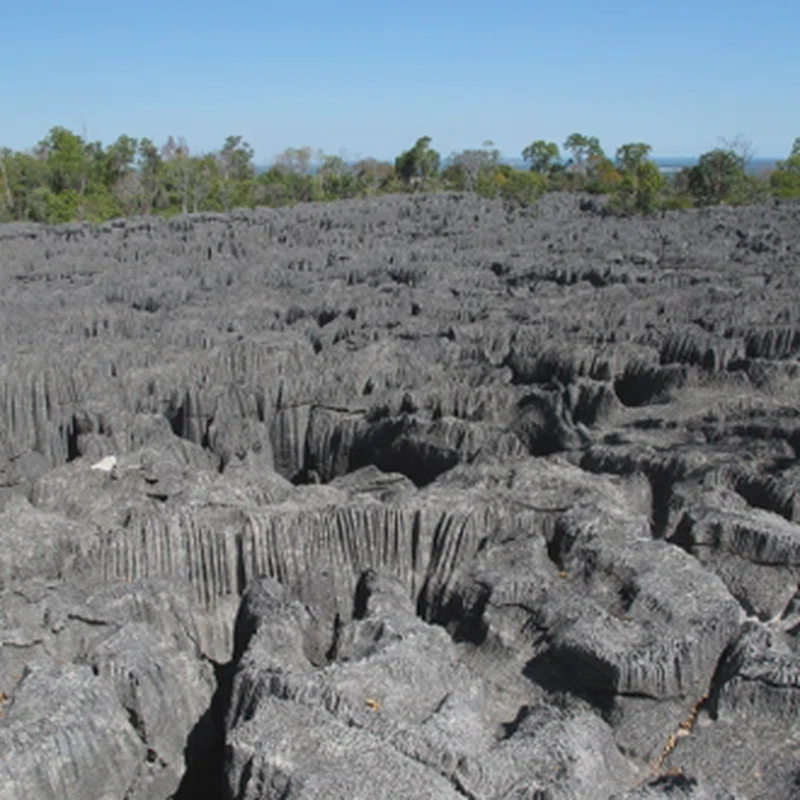
Tsingy de Bemaraha National Park is a UNESCO World Heritage Site located in central-western Madagascar, approximately 600 km from Antananarivo. The park, established on August 1st, 1997, protects a vast limestone massif spanning 157,710 hectares, characterized by its unique karst formations known as "tsingy". The Malagasy word "tsingy" translates to "where one cannot walk barefoot" or "walk on the tips of your toes," aptly describing the jagged, razor-sharp limestone pinnacles that can reach heights of nearly 100 meters. These dramatic "forests" of stone were formed over 200 million years ago as groundwater and rain slowly eroded the elevated limestone uplands, creating a labyrinth of peaks, valleys, caverns, and fissures. The park is divided into two main exploration zones: the Petit Tsingy, an introductory area with narrow corridors and natural caves, and the more challenging Grand Tsingy, which spans over 72,000 hectares and features suspended walkways, ladders, and zip lines leading to panoramic viewpoints. The Manambolo River also cuts through the limestone, offering pirogue descents through steep gorges and past sandbanks where crocodiles can be spotted.The park is a significant center of endemism, boasting exceptional biodiversity with a high percentage of flora and fauna unique to Madagascar. It is home to 11 lemur species, including the flagship Decken's sifaka, brown lemur, and the nocturnal aye-aye. Over 100 different bird species have been recorded, such as the Madagascar fish eagle, Olivier's rail, and Bernier's teal. Reptiles like Nile crocodiles, chameleons (including the locally endemic Antsingy leaf chameleon), and geckos thrive in the rocky crevices and waterways. The diverse vegetation includes dense deciduous dry tropical forests, bushy xerophytic vegetation on the tsingy, and sub-humid forests in the valleys, with nearly 650 plant species, most of which are endemic. Adaptations like spinescence, pachycaul, and dwarfism are common among the plants to cope with the unique ecological conditions.Tsingy de Bemaraha also holds cultural significance, with caves that have historically served as refuges for local populations, including the Vazimba, Madagascar's first inhabitants. Some cavities are still used by the Sakalava people for rituals and ancestral burials. Visiting the park requires an accredited guide, and various circuits are available, ranging from easy walks to more strenuous climbs. The park is typically open during the dry season, from May to October, as tracks become impassable during the warm, rainy season (November to April). Access is challenging, usually involving a multi-day 4x4 journey from Morondava, including ferry crossings.
Quick Info
Own this place?
Claim it to manage photos, respond to visitors, and promote it to travelers.
Claim this listing →Safari Tours
10 tours departing from this area


Weather & Rainfall Patterns
Station: 189s450e · 21.2 km away · 710m