

Matemwe Beach
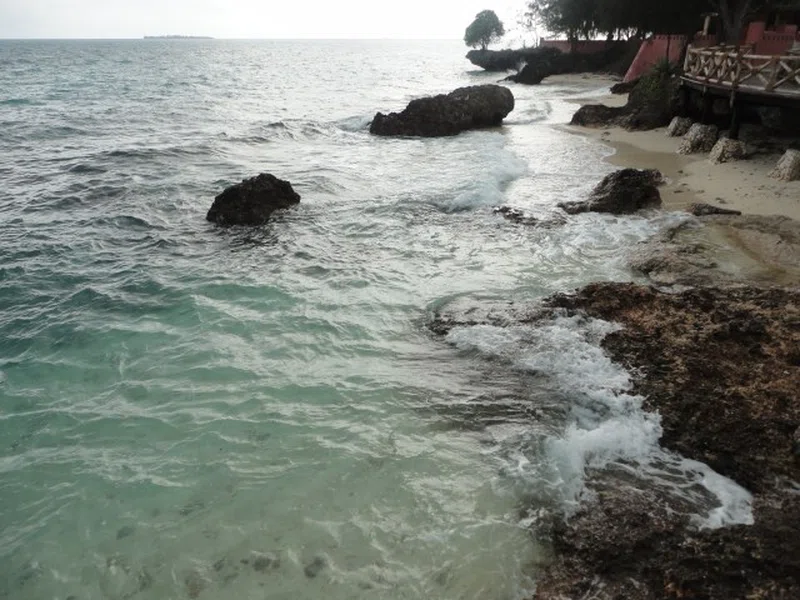
Matemwe Beach is a serene and relatively unspoiled coastal destination located on the northeastern coast of Unguja, the main island of the Zanzibar Archipelago in Tanzania. Situated between Mwangaseni and Kigomani, its coordinates are approximately -5.867°S 39.350°E. The beach is renowned for its pristine, powder-white sands and crystal-clear turquoise waters, stretching for miles along the coastline, making it the longest beach in Zanzibar. A notable characteristic of Matemwe Beach is its significant tidal range; at low tide, the beach expands dramatically, revealing intricate seaweed farms where local women engage in traditional cultivation, a vital part of the local economy. Despite the tides, swimming is possible throughout the day, and the area maintains a tranquil atmosphere, largely untouched by mass tourism until recently.The area is a paradise for marine enthusiasts, fronted by a lagoon and a vibrant coral reef system, including the nearby Mnemba Atoll, a celebrated marine conservation area. This makes Matemwe an exceptional spot for snorkeling and scuba diving, offering opportunities to encounter diverse marine life such as colorful tropical fish, sea turtles, playful dolphins, giant trevallies, trumpetfish, anthiases, groupers, and snappers. From July to September, visitors also have the chance to witness the annual migration of humpback whales off the coast. Beyond water activities, the village of Matemwe offers an authentic cultural experience, with its economy primarily based on fishing and seaweed farming. Visitors can interact with local fishermen, explore traditional dhow boatyards, and learn about the community's customs.Matemwe is also home to community initiatives like an education project for computer literacy and the Dada cooperative, which creates job opportunities for Zanzibari women through handmade cosmetics and food products. The Tamani Foundation provides quality education to local students. For broader cultural and historical exploration, the UNESCO World Heritage Site of Stone Town is approximately an hour's drive away, offering a rich blend of Swahili, Arab, Persian, Indian, and European influences. The best time to visit for dry, hot weather and optimal whale spotting is typically from June through September.
Quick Info
Own this place?
Claim it to manage photos, respond to visitors, and promote it to travelers.
Claim this listing →

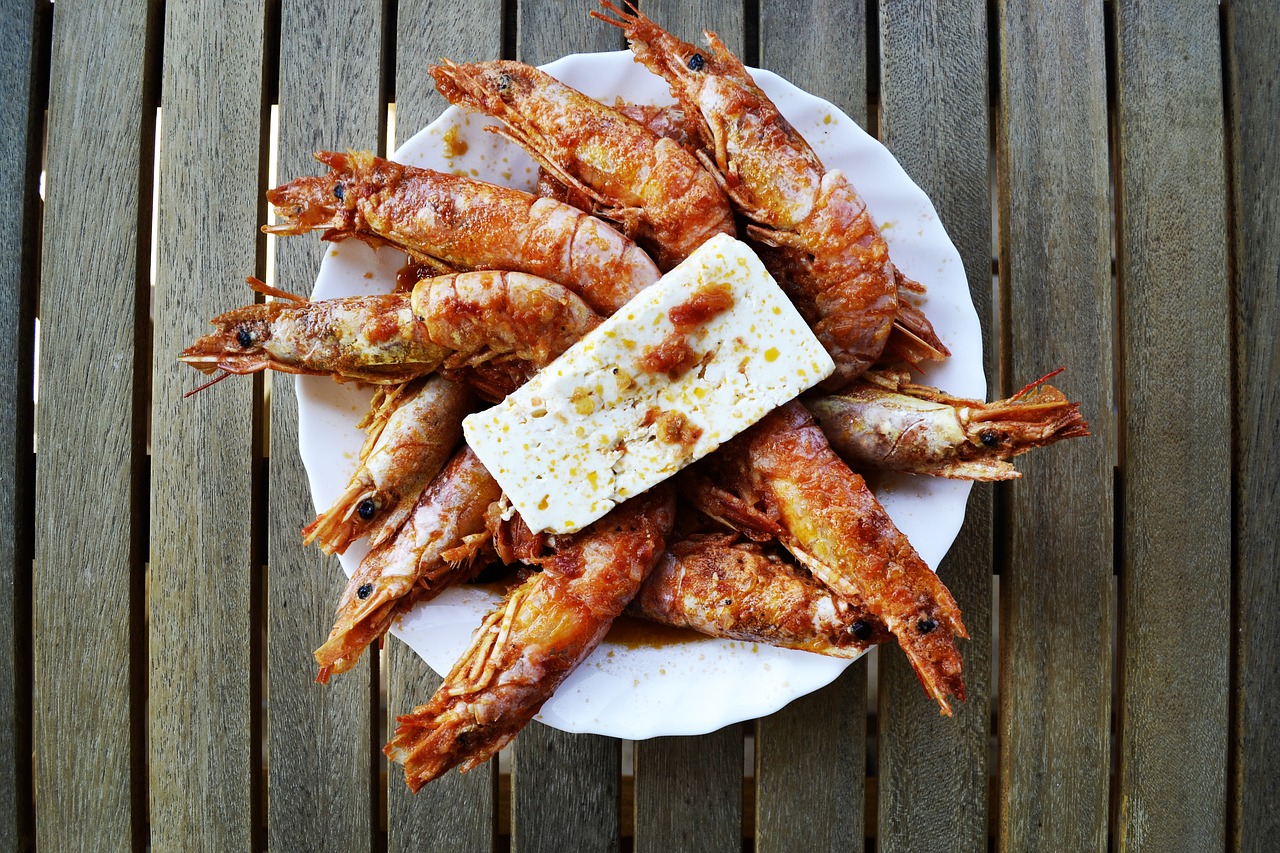





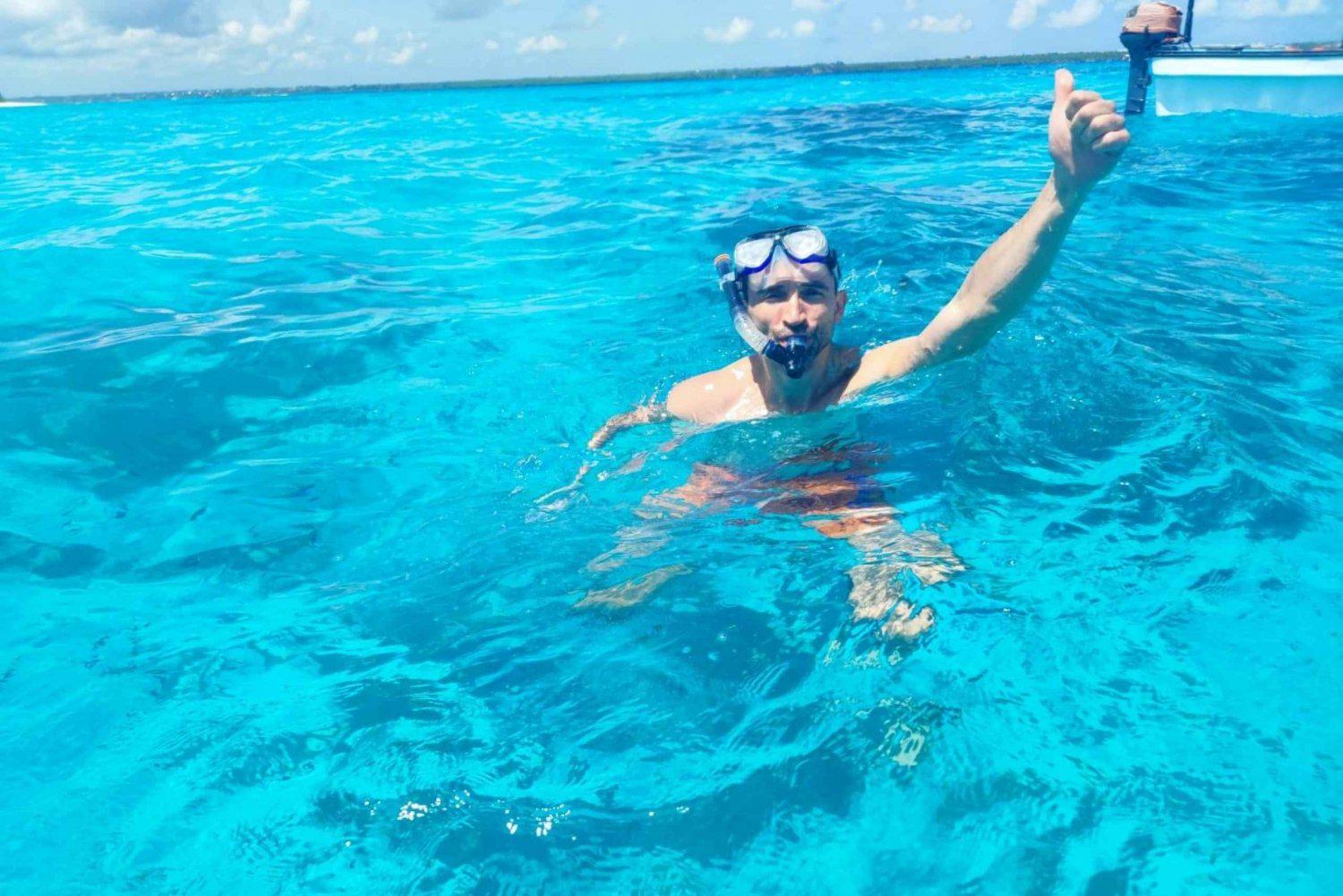
Private Trip to Mnemba Dolphins Tour & Snorkeling in Zanzibar
0.0 km away
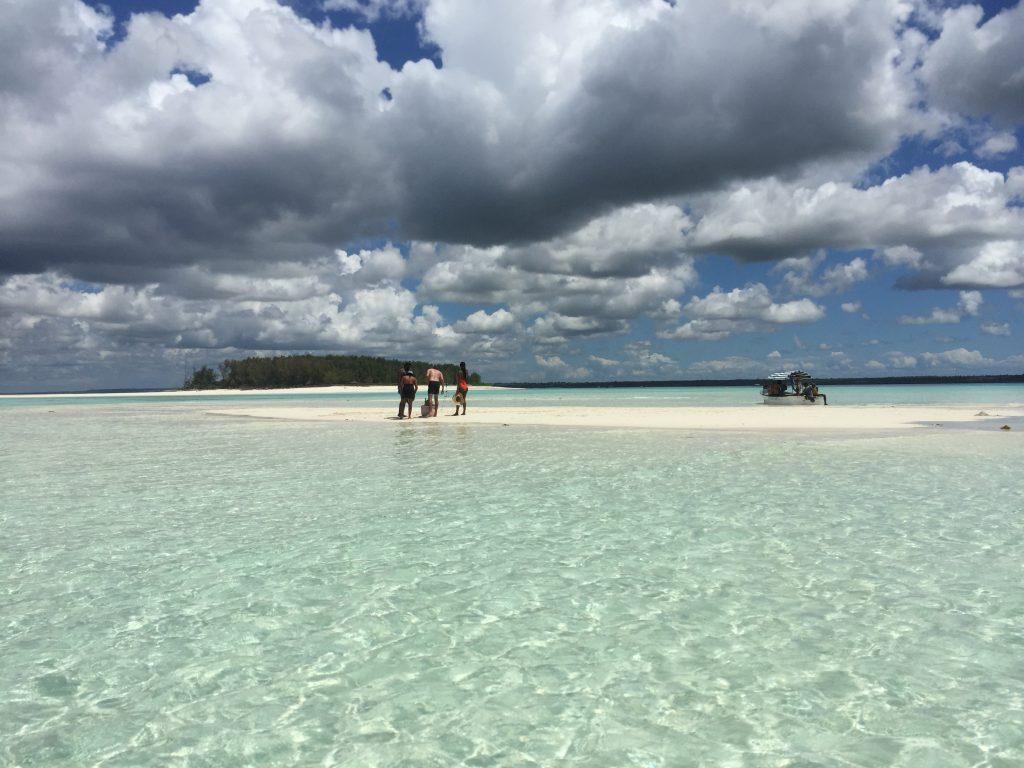
Mnemba Snorkeling Trip
0.0 km away

Spice Farm Zanzibar
0.0 km away
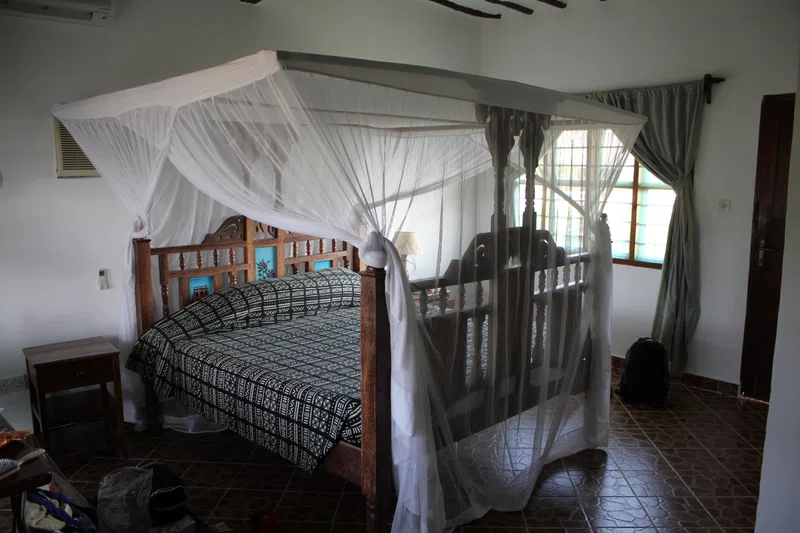
Maruhubi Palace
0.0 km away
Changuu (Prison) Island
0.0 km away
2-Day Prison Island and Dolphin
0.0 km away
Weather & Rainfall Patterns
Station: 58s394e · 21.8 km away · -9999m