



Boro River
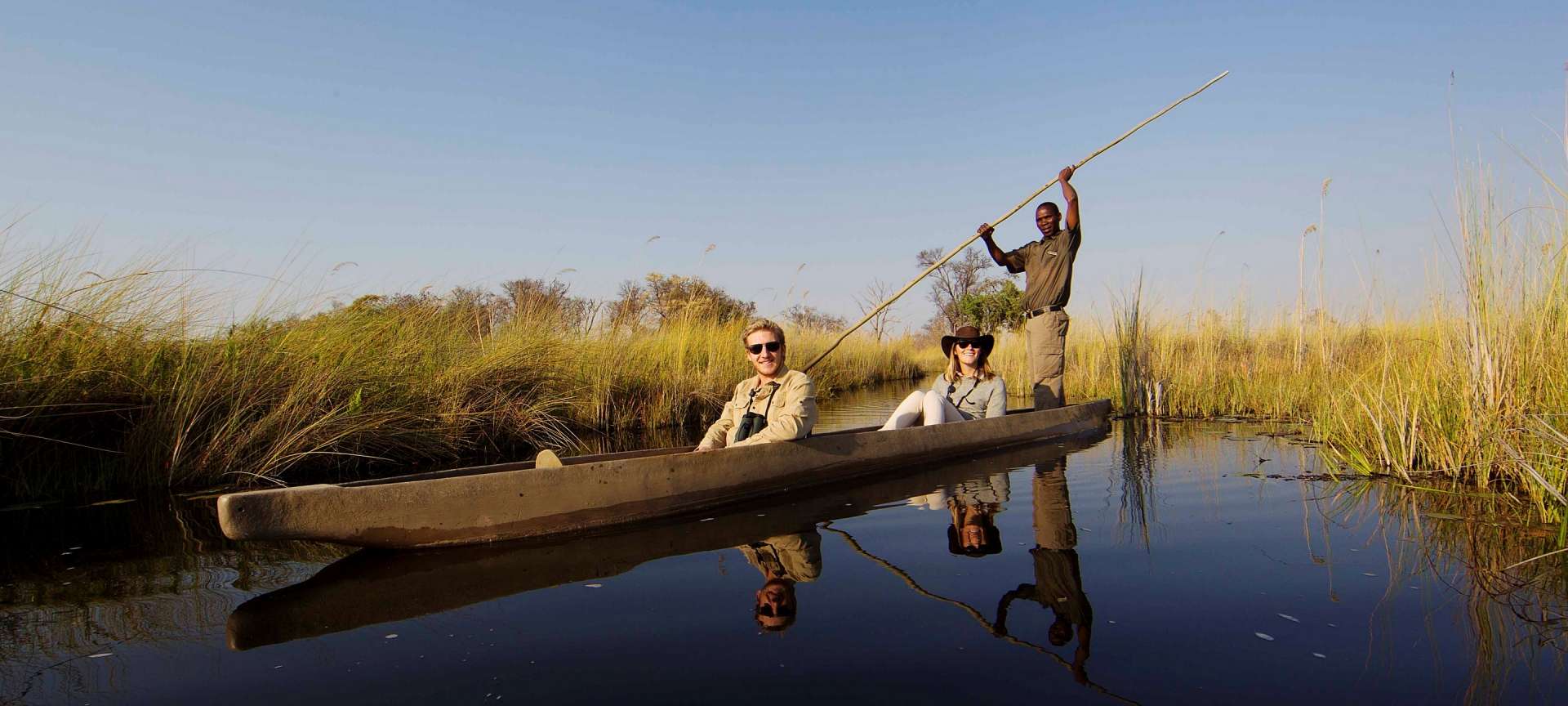
The Boro River is a vital distributary channel within the vast Okavango Delta in Botswana, southern Africa. It forms part of the intricate network of waterways that define the world's largest inland delta, a Key Biodiversity Area. Originating from the Jao River, which itself branches off the Nqoga River, the Boro flows in a southeasterly direction before converging with the Thamalakane River near the town of Maun. Unlike the perennial Maunachira River, the Boro River exhibits seasonal flow patterns, heavily influenced by the annual flood pulse that descends from the Okavango River's source in the Angolan highlands. This dynamic hydrological regime, characterized by over-bank spills and interactions with extensive floodplains, is crucial for the delta's ecological health and its ability to sustain diverse habitats.The Boro River and its surrounding floodplains are integral to the Okavango Delta's rich biodiversity. The region is a complex mosaic of clear open waters, permanent and seasonal swamps dominated by papyrus and reeds, and grassy floodplains that gradually transition into drier woodlands. This environment supports over 1,000 plant species and is recognized as a globally significant breeding ground for various bird species, notably the Slaty Egret (Egretta vinaceigula). The area is also home to a wide array of large mammals, including a growing population of African elephants. For visitors, the Boro River offers opportunities for immersive safari experiences, such as walking safaris, game drives in nearby concessions, and tranquil mokoro (traditional dugout canoe) and motorboat safaris, allowing for close observation of the delta's unique aquatic and terrestrial wildlife.The ecological significance of the Boro River has been underscored by past conservation efforts and water management debates. In the late 1980s, a proposal to dredge and canalize the Boro River as part of the Southern Okavango Integrated Water Development Project was met with strong local opposition and ultimately suspended in 1990 due to environmental concerns. This historical event highlights the critical role the Boro River plays in maintaining the delicate balance of the Okavango Delta's ecosystem. Understanding the river's complex flow dynamics, including its interaction with floodplains and groundwater, remains essential for the sustainable management and conservation of this globally important wetland.
Quick Info
Own this place?
Claim it to manage photos, respond to visitors, and promote it to travelers.
Claim this listing →






3-Day Okavango Delta Gomoti River Lodge Safari
0.1 km away
Weather & Rainfall Patterns
Station: 195s228e · 2 km away · 952m