
Eastern Highlands
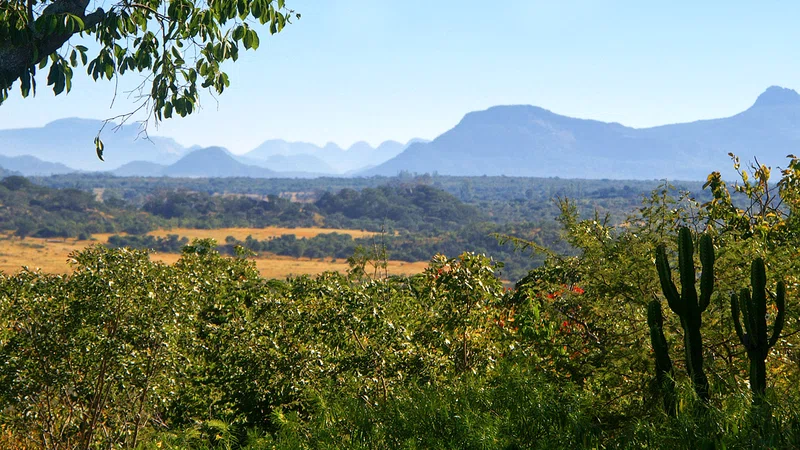
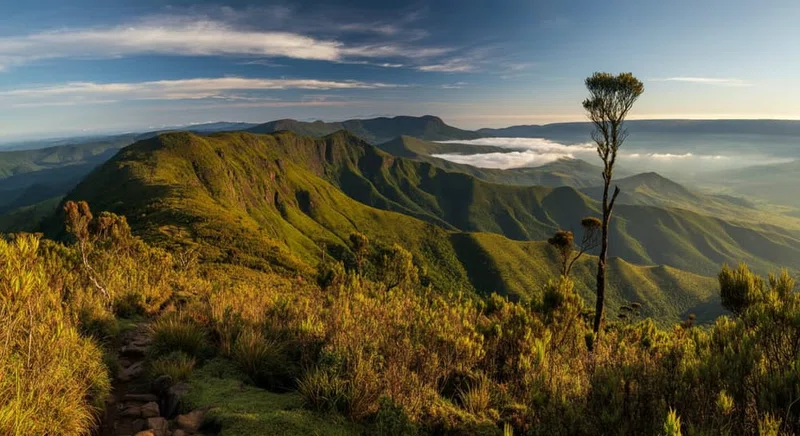
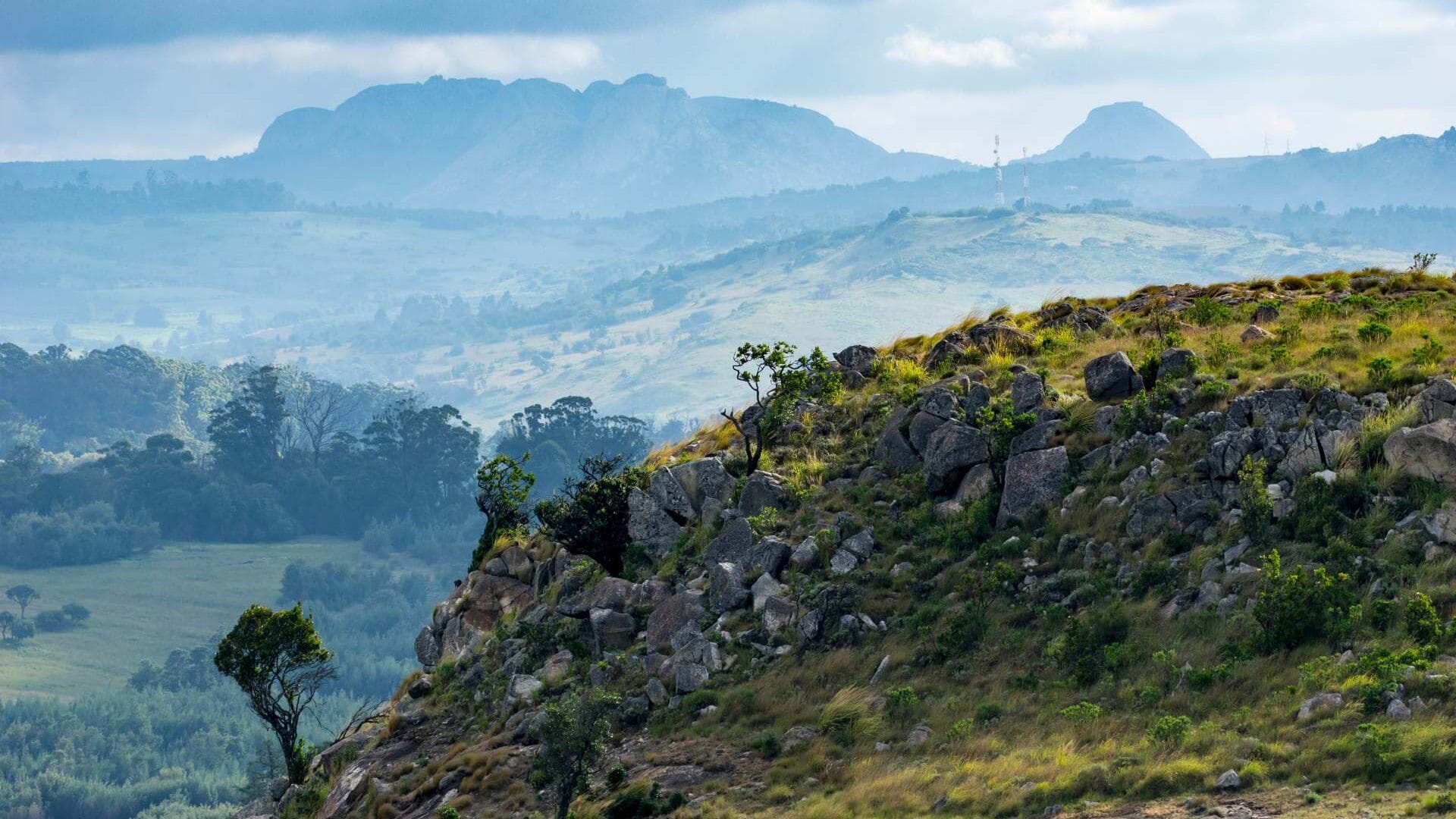
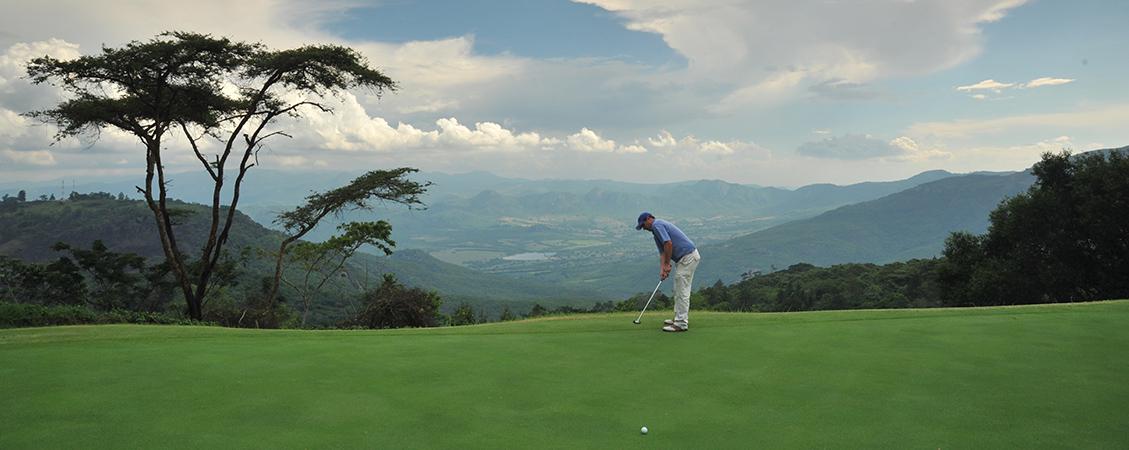
The Eastern Highlands, also known as the Manica Highlands, is a majestic mountain range extending approximately 300 kilometers along Zimbabwe's eastern border with Mozambique. This verdant region, a distinct physiographic division of the African continent, offers a striking contrast to Zimbabwe's typical savanna landscapes, characterized by its cooler, moister climate, misty mountains, and abundant rainfall. The highlands are divided into three primary mountain groups: Nyanga in the north, the Bvumba Mountains centrally located near Mutare, and the rugged Chimanimani Mountains to the south. The region's elevation ranges from 1,500 to 2,500 meters, with Mount Nyangani in the Nyanga Mountains standing as Zimbabwe's highest peak at 2,592 meters, and Monte Binga in the Chimanimani range being the second-highest in Zimbabwe and the highest in Mozambique.This sparsely populated area is a paradise of natural beauty, featuring rolling hills, green forests, rugged peaks, deep gorges, cascading waterfalls like Mutarazi Falls (Africa's second-longest) and Bridal Veil Falls, and numerous crystal-clear streams and rivers that originate within the range. The Eastern Highlands are home to the Eastern Zimbabwe montane forest-grassland mosaic ecoregion, supporting diverse plant communities including submontane and montane grasslands, moist evergreen forests, dry montane forests, miombo woodlands, and unique heathlands, particularly in the Chimanimani Mountains. The moist climate is also ideal for specialized agricultural crops such as tea and coffee, with plantations dotting the landscape.The rich variety of habitats fosters a remarkable diversity of animal life. Mammals found here include the blue duiker and samango monkeys, which are endemic to the Eastern Highlands, as well as rare tree civets, various squirrels, bushbabies, and fruit bats. Larger predators like leopards are present, with occasional sightings of buffalo, lion, and hyena. The region is a haven for birdwatchers, boasting over 400 species, including endemics like the Chirinda apalis and Roberts's warbler, alongside trumpeter hornbills, turacos, and crowned eagles. The numerous streams and dams are stocked with trout, making fishing a popular activity. Beyond wildlife, the highlands hold significant historical interest, with traces of Iron Age terracing, ruined stone walls, and archaeological sites like Ziwa Ruins, reflecting centuries of human habitation.Visitors to the Eastern Highlands can engage in a wide array of activities, from extensive hiking and trekking trails suitable for all levels, mountain biking, and horseback riding, to exploring botanical gardens, visiting historical sites, and swimming in natural pools beneath waterfalls. The region also offers opportunities for rock climbing and abseiling in the more remote Chimanimani area. Mutare serves as the largest city and an industrial hub, while charming towns and a variety of accommodations, from luxury resorts to budget lodges, cater to tourists. The dry season (May-October) is ideal for hiking and clear views, while the wet season (November-April) showcases lush landscapes and vibrant birdlife.
Quick Info
Own this place?
Claim it to manage photos, respond to visitors, and promote it to travelers.
Claim this listing →







Weather & Rainfall Patterns
Station: 183s328e · 29.9 km away · 2114m