
Namaqualand
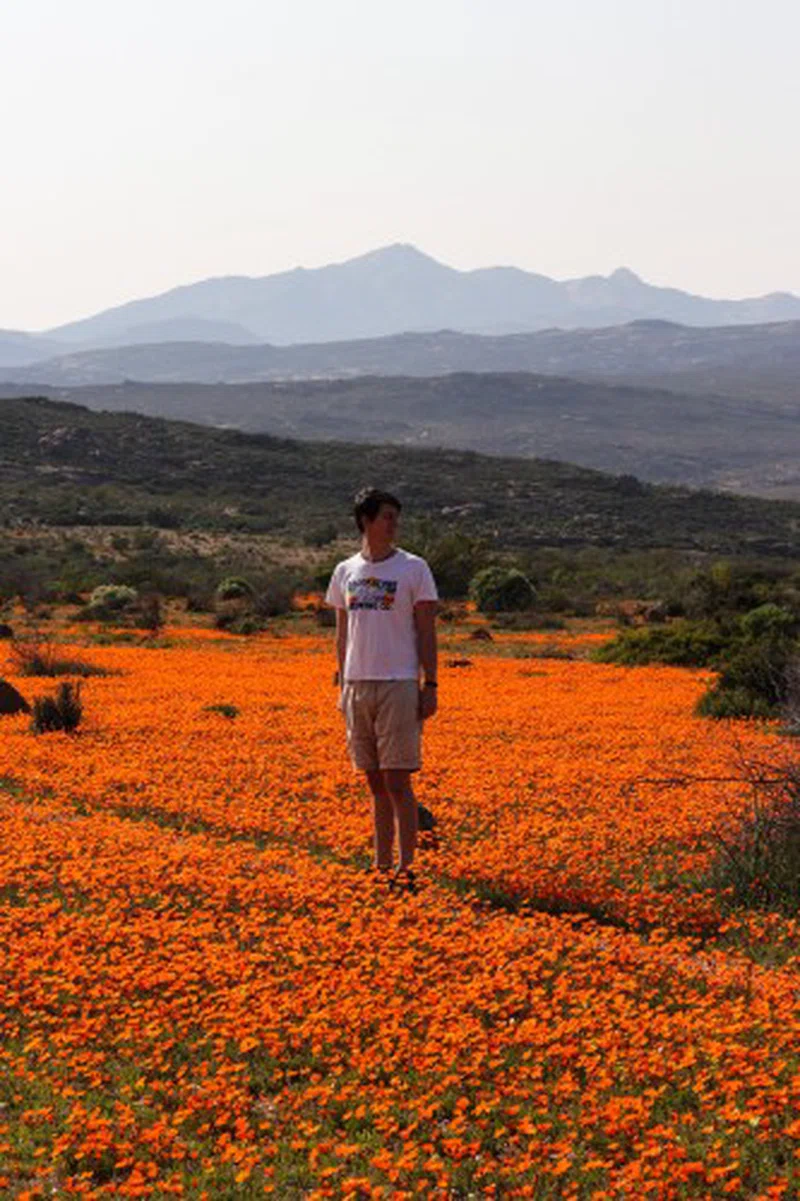
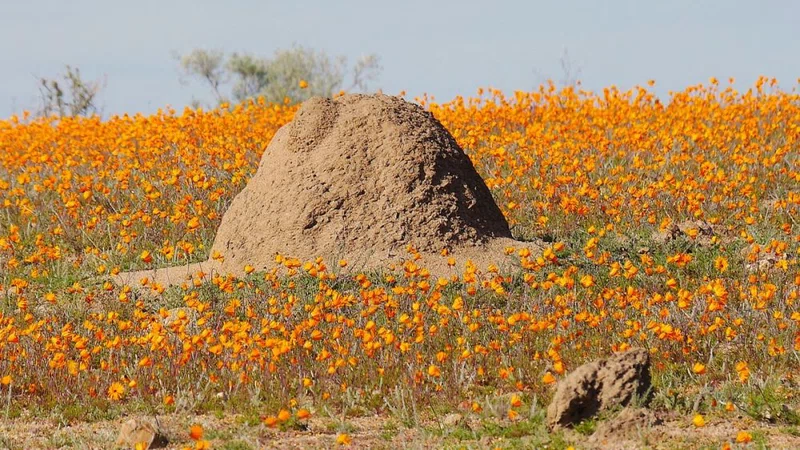
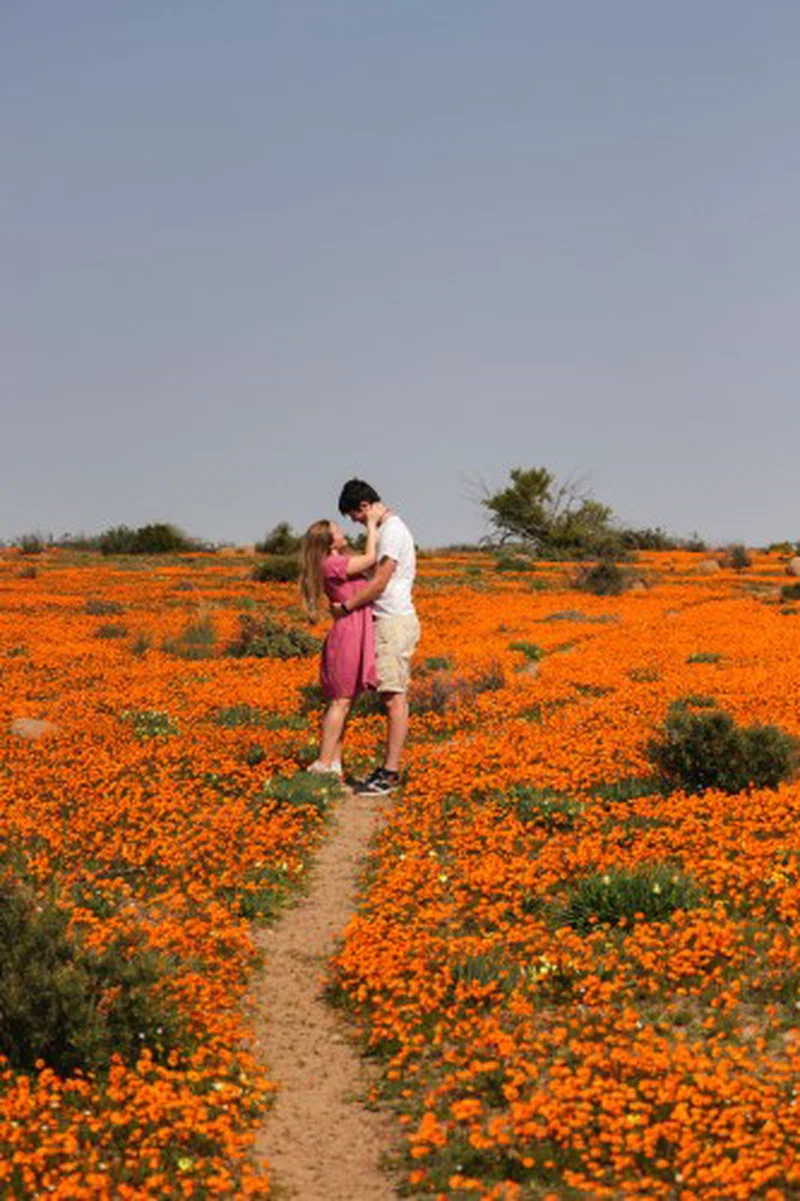
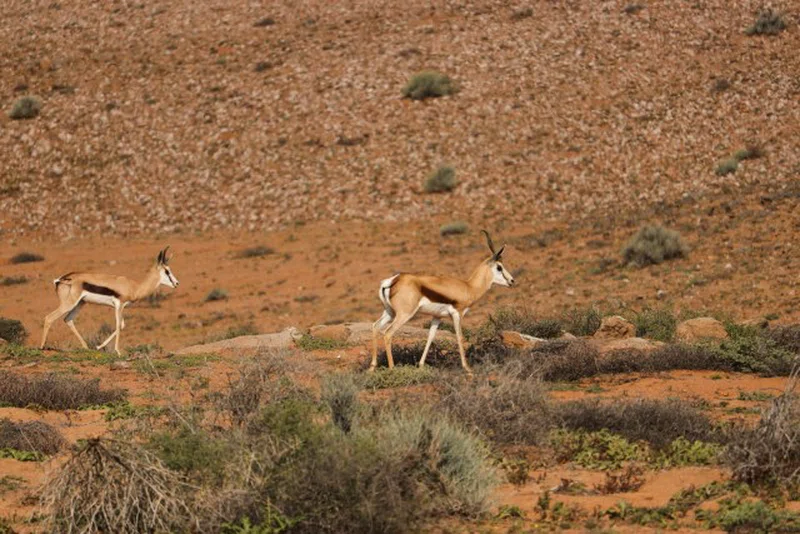
Namaqualand is an arid geographic region in southwestern Africa, primarily situated in the Northern Cape Province of South Africa, extending along the west coast for over 1,000 km and covering approximately 440,000 km². It is geographically divided by the lower Orange River into Little Namaqualand to the south (South Africa) and Great Namaqualand to the north (Namibia). The landscape is characterized by quartz-strewn plains, undulating hills, granite outcrops, and rugged mountains, experiencing hot summers, sparse rainfall (averaging 50 to 200 mm annually), and cold winters.Despite its arid nature, Namaqualand is globally renowned for its spectacular annual wildflower display, which transforms the barren landscape into a vibrant carpet of color for a few weeks, typically between August and October, after good winter rains. This phenomenon is particularly prominent in areas like the Namaqua National Park, a biodiversity hotspot within the Succulent Karoo biome. The region is home to over 3,500 plant species, with more than a thousand being endemic, including the distinctive quiver tree, Namaqualand daisy, and bokbaai vygie. The Namaqua National Park, stretching from the Skilpad section near Kamieskroon to the coast, is crucial for conserving this unique flora and also supports resilient wildlife such as gemsbok, springbok, and leopards, along with a diverse array of endemic reptiles, amphibians, and birds.Beyond its natural beauty, Namaqualand has a rich cultural and economic history. It is the ancestral land of the Khoikhoi Namaqua people, who settled here over 2,000 years ago. The region has been historically significant for mining, with copper deposits exploited since the 19th century in towns like Springbok, Okiep, and Nababeep. Alluvial diamonds were discovered along the coast in the early 20th century, with Alexander Bay being a focal point of this industry. Fishing, particularly for rock lobster, is also important along the South African west coast in towns like Port Nolloth. The area also supports sheep and goat farming, adapted to the succulent vegetation.
Quick Info
Own this place?
Claim it to manage photos, respond to visitors, and promote it to travelers.
Claim this listing →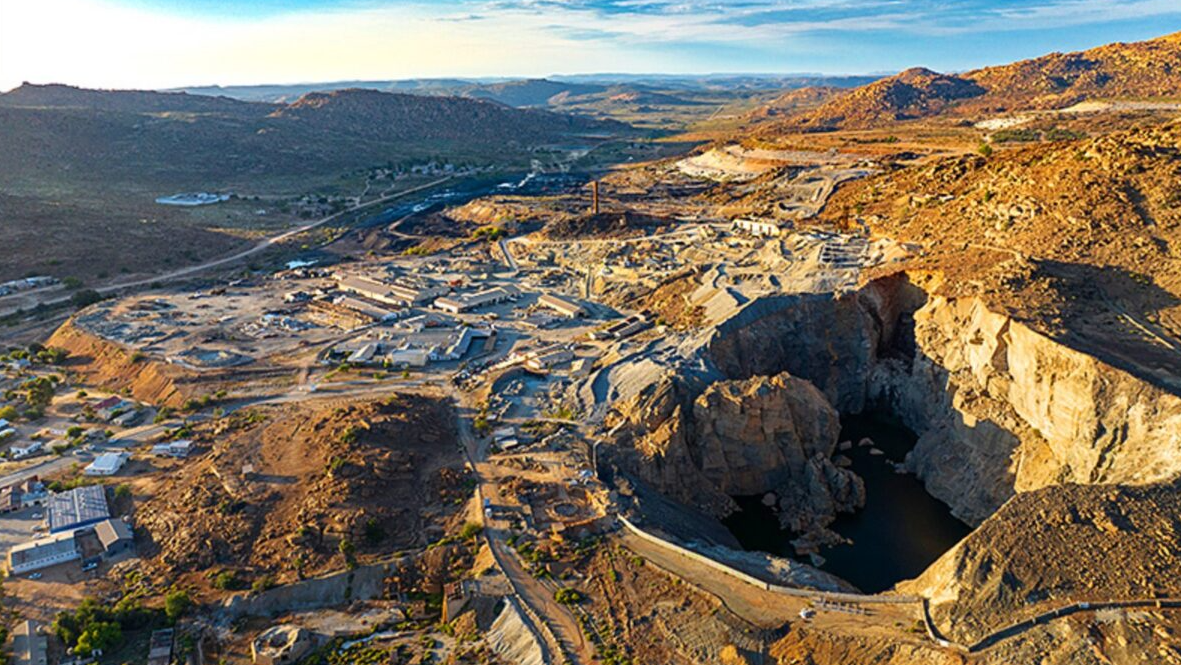
Weather & Rainfall Patterns
Station: 298s194e · 12 km away · 1014m