
Lake Ngami
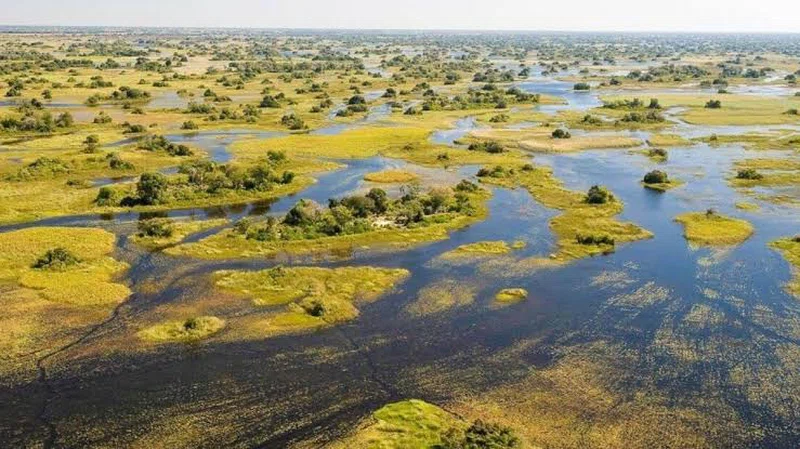
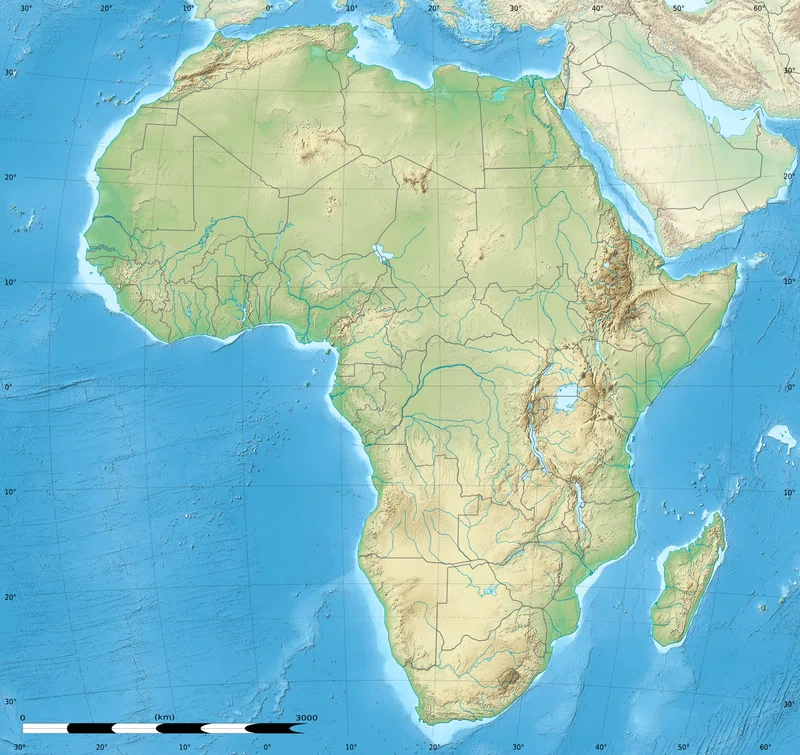
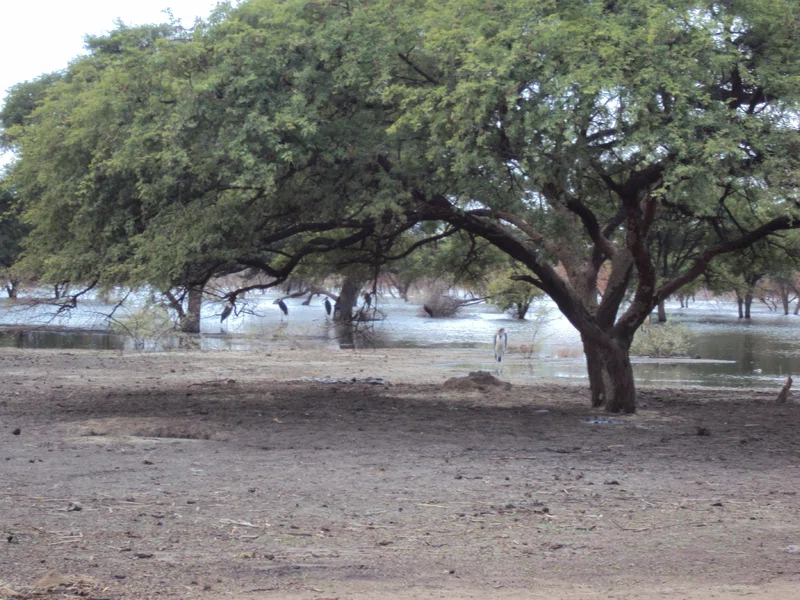
Lake Ngami is an endorheic lake situated in the western part of the lower Okavango Delta in Botswana, north of the Kalahari Desert. It is a shallow, seasonal lake, fed primarily by the Taughe River, an effluent of the Okavango River system, and is considered one of the fragmented remnants of the ancient Lake Makgadikgadi. The lake's elevation is approximately 932 to 950 meters above sea level. Its geographical setting includes being bounded to the southeast by a low escarpment along an extension of the Kunyere fault and to the west by a 25-kilometer-long sand-ridge from the Dautsa Flats, with the surrounding area characterized by Acacia savanna. Historically, in 1849, explorer David Livingstone estimated its circumference to be over 275 kilometers, but its size has fluctuated dramatically, shrinking significantly since 1890 and even drying up completely during severe droughts, such as in 1965-66. More recently, in September 2012, the lake's water covered an area of 277.7 km², representing 84.8% of its total area, with an average depth of 3.508 meters. The entire lake basin has been measured at 47.5 km in length with an average width of 7.15 km and a total area of 327.6 km².The lake is a vital ecological habitat, particularly for birds and wildlife during flood years. It is rich in birdlife, including flamingos and large numbers of waterfowl such as Anas erythrorhyncha and Pelecanus onocrotalus, which use it for feeding and breeding. Regionally threatened species like Botaurus stellaris and Sterna caspia have also been recorded. When the lake dries, the resulting grasslands support open-country species like Ardeotis kori, while the surrounding Acacia woodland hosts species restricted to the Kalahari–Highveld biome. The lake also contains barbel fish, known for their ability to survive in mud during dry periods. Historically, large mammals like kudu, buffalo, rhinoceros, and hippopotamus grazed around the lake, though their numbers have declined due to restricted access. Lake Ngami plays a crucial role in supporting the livelihoods of local communities, providing resources for commercial and subsistence fishing, and water for livestock. Tourism activities, such as birdlife viewing and photography, are also associated with the area.Lake Ngami's water levels are highly variable, influenced by rainfall in the Angolan highlands and the inflow from the Okavango Delta system. Approximately 80% of its water comes from river inflow and 20% from local precipitation, with peak levels typically occurring during the dry season from June to August. The lake has experienced prolonged dry periods, with little water reaching it since 1989 due to low rainfall. Threats to its biodiversity include continued low rainfall, potential water abstraction from the Okavango River by upstream countries, over-hunting, and disturbance from human activities and livestock, especially during nesting seasons. Pollution from inadequate waste disposal in surrounding villages also poses a risk. Despite being unprotected, Lake Ngami lies within the Okavango Delta Ramsar Site, highlighting its international ecological importance.
Quick Info
Own this place?
Claim it to manage photos, respond to visitors, and promote it to travelers.
Claim this listing →
Weather & Rainfall Patterns
Station: 205s228e · 21.4 km away · 962m