
Pemba Island
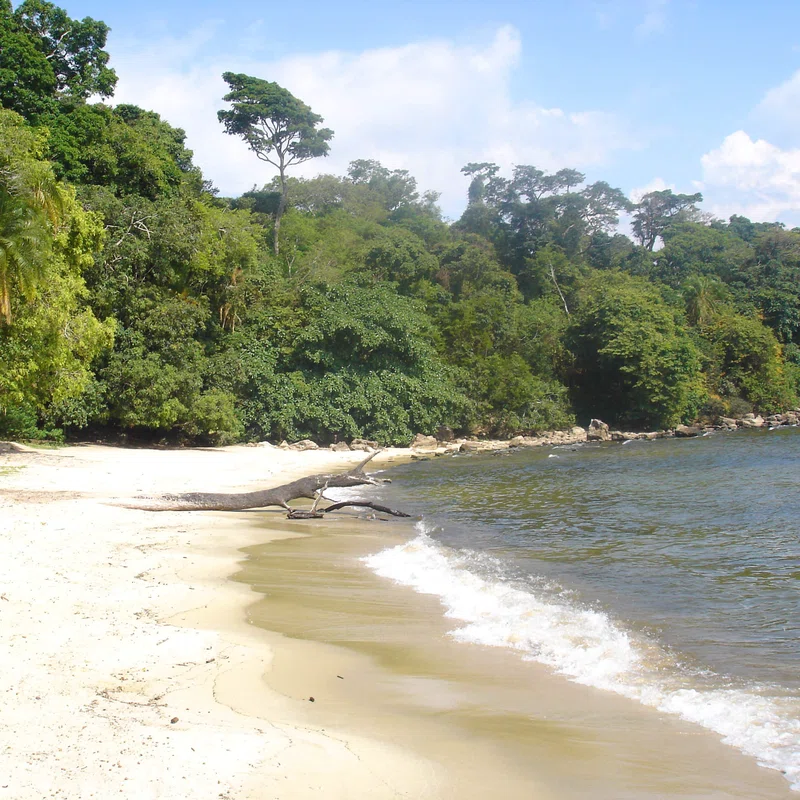
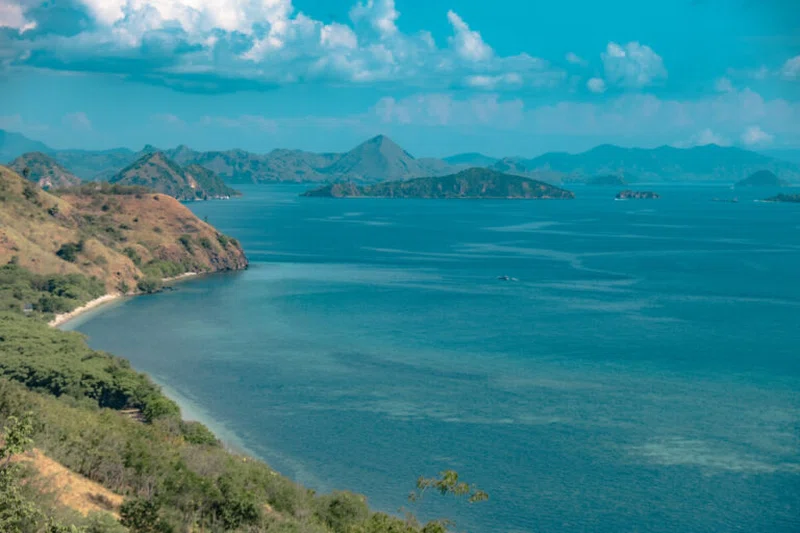
Pemba Island, known as "The Green Island" (Al Jazeera Al Khadra in Arabic), is a fertile and hilly island forming part of Tanzania's Zanzibar Archipelago in the Indian Ocean. Situated approximately 50 kilometers (25 nautical miles) north of Unguja (Zanzibar), it lies off the East African coast, opposite the port of Tanga, separated by the deep Pemba Channel. The island spans about 988 square kilometers (381 sq mi), measuring 42 miles (67 km) long and 14 miles (22 km) wide. Its landscape is characterized by lush, green hills, a mosaic of forests, swamps, mangroves, and secluded beaches with snow-white, soft sand. The island's climate is tropical, generally milder than mainland Tanzania, with two main rainy seasons and drier periods from January to February and June to October, the latter being ideal for visitors.Pemba is renowned for its pristine coral reefs and abundant marine life, making it a premier destination for diving and snorkeling, often considered superior to its sister island, Zanzibar, for underwater exploration. The Pemba Channel itself is a profitable fishing ground. Beyond its marine attractions, the island is an Important Bird Area, supporting endemic species such as the Pemba green pigeon, Pemba scops owl, Pemba white-eye, and Pemba sunbird. Inland, activities include exploring the Ngezi forest and taking Ngalawa sunset cruises. The island's economy is heavily reliant on agriculture, particularly clove production, which earned it the nickname "The Clove Island." At one point, Pemba produced over 70% of the world's clove supply. Other significant crops include rice, coconuts, bananas, cassava, and red beans. Fishing also plays a vital role in the local economy. The main towns are Chake-Chake (the capital), Mkoani, and Wete, the largest city.Historically, Pemba has been central to the Swahili Coast trading system since as early as 600 AD, serving as a key stop for traders from Arabia, India, and China. Its deep waters provided safe anchorage for ships exchanging spices, gold, ivory, and slaves. The island's rich past is evident in its archaeological heritage, with ruins of ancient Swahili towns, mosques, and tombs, such as those at Ras Mkumbuu and Mkama Ndume, dating back centuries. In the 17th century, Pemba was seized by the Sultan of Muscat (Oman), and under Omani Arab rule in the 19th century, it became a global leader in clove production. The island's culture reflects a fusion of African, Arab, Persian, and European influences, with a population comprising a mix of Arab and original Waswahili inhabitants, many identifying as Shirazi people. The overwhelming majority of the population follows Islam. Pemba also holds a reputation as a center for traditional medicine and witchcraft.
Quick Info
Own this place?
Claim it to manage photos, respond to visitors, and promote it to travelers.
Claim this listing →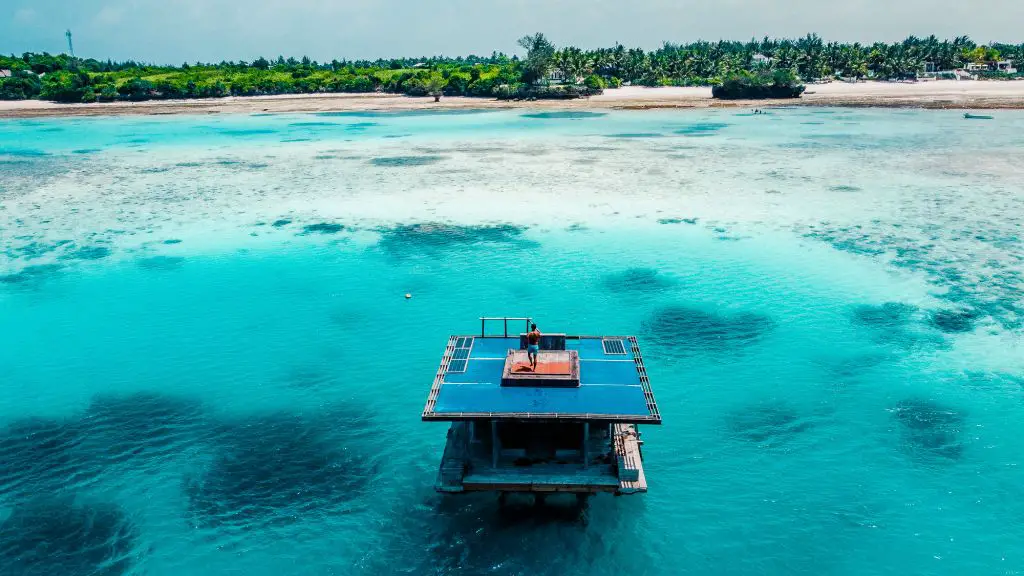




1-Day Snorkeling at Kisite Marine Park, Shimoni
0.1 km away
5-Day Kisite-Mpunguti Marine Park Excursion
0.1 km away
Weather & Rainfall Patterns
Station: 48s400e · 25.1 km away · -9999m