
Hoanib River
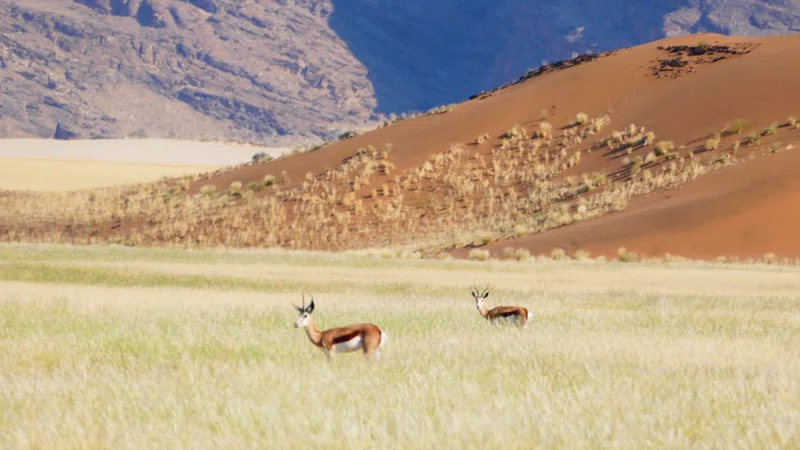
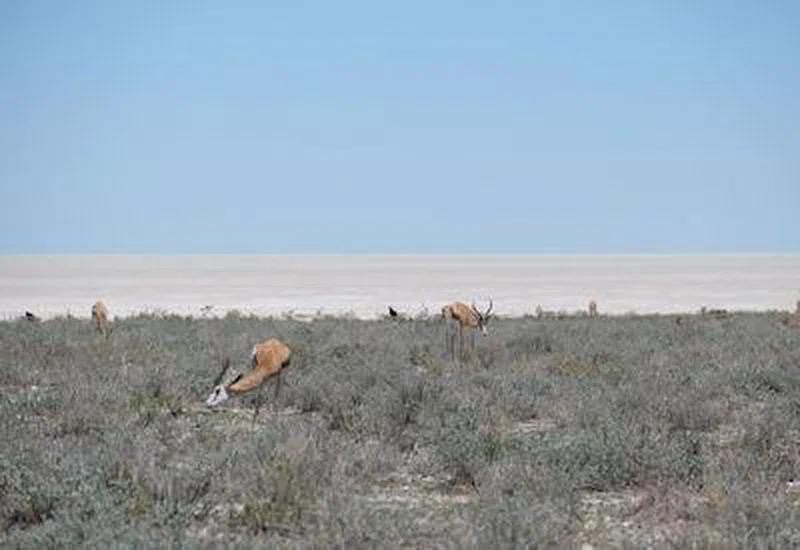
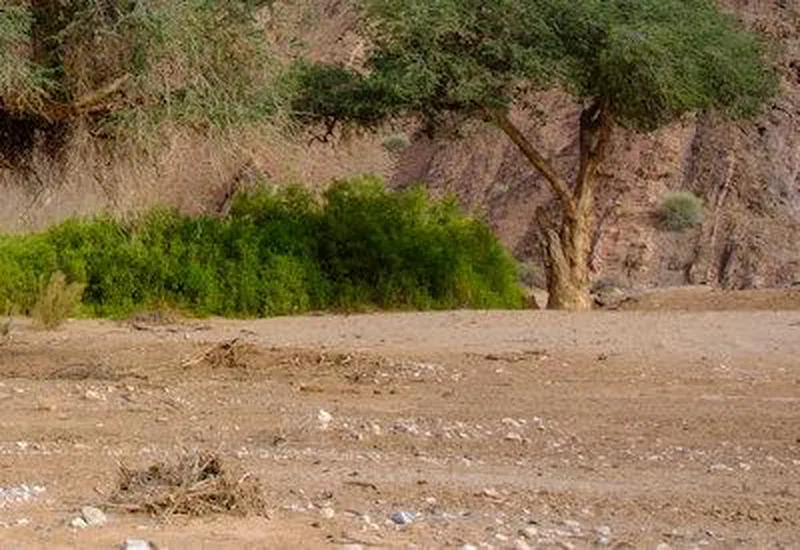
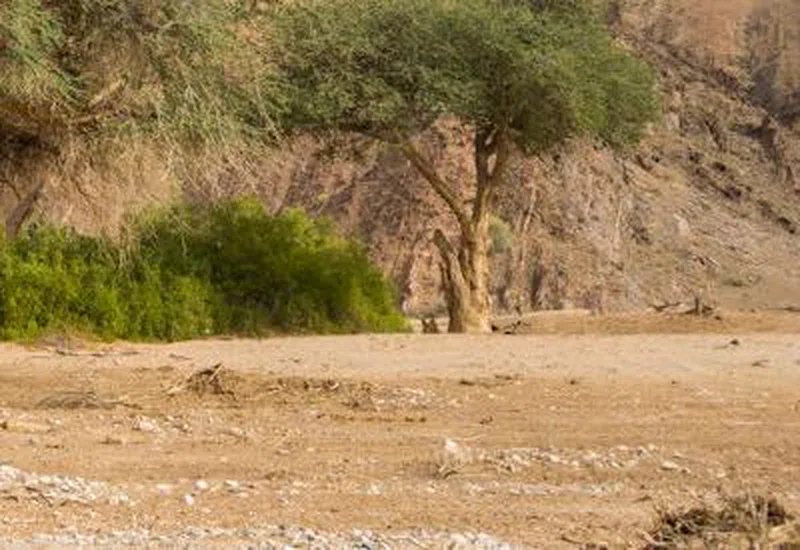
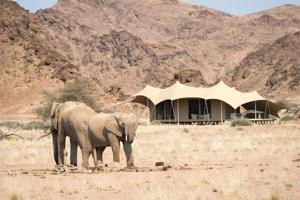
The Hoanib River is a remarkable ephemeral river system located in western Namibia, primarily within the remote Kaokoland region, where it historically marked the border between northern Damaraland and Kaokoland. Stretching approximately 270 kilometers, its vast catchment area, estimated between 15,760 and 17,200 square kilometers, extends from the Atlantic coast inland to Ojiovasando and the Black Peaks. Despite its designation as a river, the Hoanib often appears as a wide expanse of sand, only flowing every few years when heavy rainfall occurs in Namibia's central escarpment. During these rare events, floodwaters can be several meters deep, sometimes reaching the ocean, and are crucial for replenishing a significant underground aquifer that sustains life during prolonged dry periods. This rugged, remote, and harsh landscape is characterized by towering mountains, expansive sand dunes, and dramatic wind and water-eroded stone formations.This linear oasis supports a unique and diverse ecosystem, providing a critical lifeline for numerous desert-adapted animals in one of Earth's driest regions. The riverbed is fringed with vital vegetation, including albida, mopane, and camelthorn trees, which serve as the primary food source. The Hoanib is renowned for hosting 75% of Namibia's endemic species, including significant populations of desert-adapted elephants (around 35 individuals), black rhinos, and lions. Other wildlife commonly sighted includes giraffe, zebra, kudu, gemsbok, and springbok. The Desert Lion Conservation Trust actively monitors the lion prides in this area, noting their unique adaptations, such as hunting wetland birds and seals near the coast, and giraffes along the river course. The region is also a focal point for black rhino conservation and research into desert-dwelling giraffe.The Hoanib River area offers a range of activities for visitors seeking an authentic wilderness experience. These include adventurous four-wheel-drive routes, hiking trails, and guided nature walks through the stunning terrain. Game drives provide opportunities to track the iconic desert-adapted wildlife, offering insights into their survival in this challenging environment. Cultural visits to the local Himba and Herero tribes, who maintain a semi-nomadic way of life, offer a glimpse into their fascinating traditions and deep connection to the land. The region also plays a vital role in conservation research, with ongoing studies informing strategies to protect its unique biodiversity and ensure that tourism benefits local communities.
Quick Info
Own this place?
Claim it to manage photos, respond to visitors, and promote it to travelers.
Claim this listing →

Weather & Rainfall Patterns
Station: 195s134e · 31.5 km away · 769m