
Chirundu
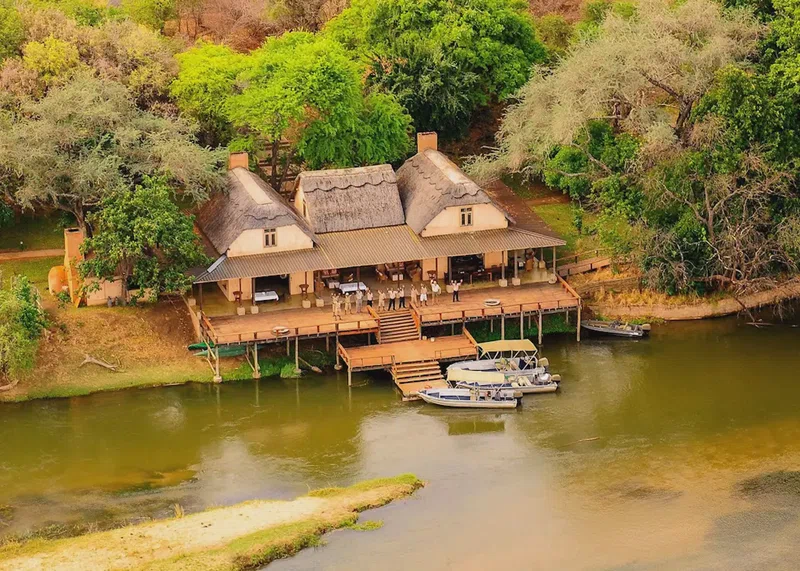
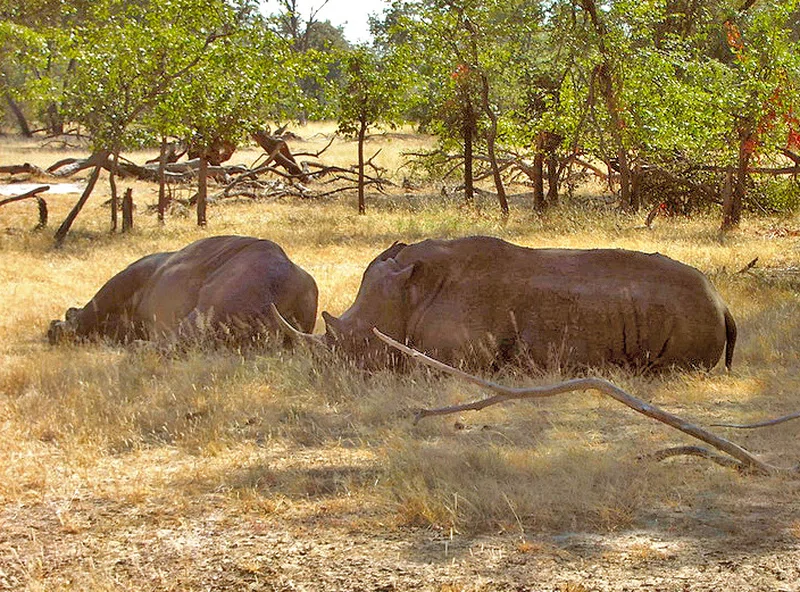
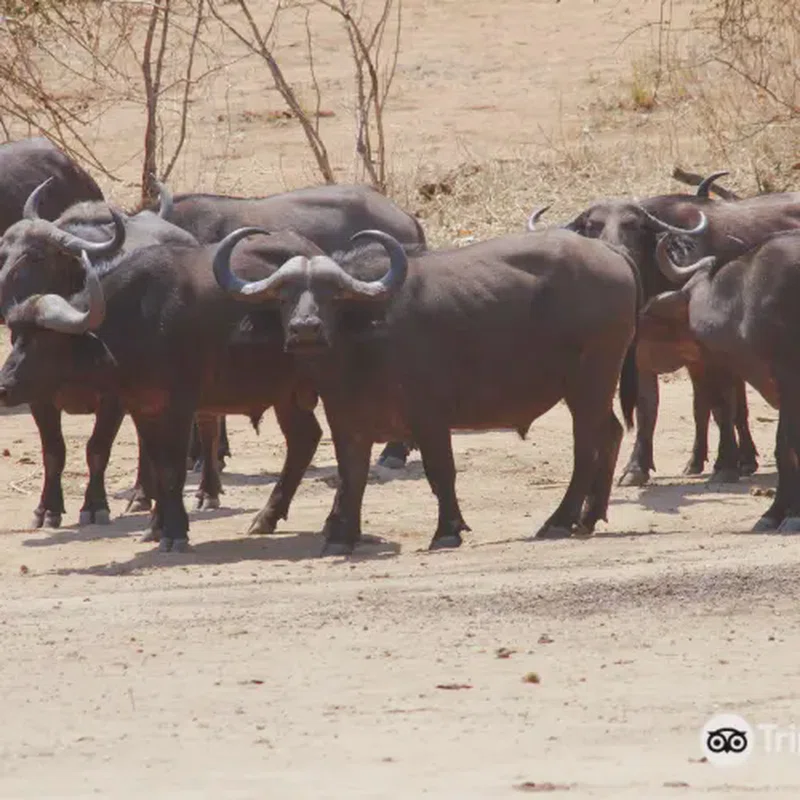
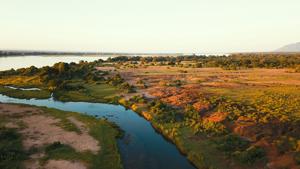
Chirundu is a town located in the Southern Province of Zambia, situated on the border with Zimbabwe. It serves as a crucial gateway between Southern and Central Africa, primarily due to the two Chirundu Bridges that span the Zambezi River. The town was established as a district in 2012 as part of Zambia's decentralization efforts and is approximately 140 kilometers southeast of the capital city, Lusaka. The Chirundu District covers a surface area of 1,386 square kilometers and, as of the 2022 Zambian Census, has a population of 78,780 people. The Chirundu Town Council is the local authority responsible for providing municipal services to the community.The town's existence is largely attributed to its strategic location on the Zambezi River, which is about 370-382 meters wide at this point. The original Otto Beit Bridge, a single-lane steel suspension bridge, was completed in 1939. To alleviate congestion and accommodate increasing traffic, a second, two-lane concrete box girder bridge was constructed in 2002, 90 meters downstream. These bridges facilitate the movement of goods and people, with a One-Stop Border Control and Customs Post located on the Zimbabwean side. Despite these developments, the border post remains one of Zambia's busiest, often experiencing long queues of haulage trucks. The area is also known for its natural beauty, with hills overlooking the town and river, offering spectacular views. Wildlife, including elephants, baboons, and vervet monkeys, are frequently observed wandering through the urban areas.Chirundu is a popular destination for sport fishing, particularly for the magnificent Zambezi Tigerfish, as well as other species like Cornish jack, bream, and vundu. Numerous fishing camps and lodges are available along the river, offering accommodation and boat hire. The town also serves as a starting point for canoe safaris along the Zambezi River, leading to destinations such as Mana Pools National Park. West of Chirundu, the Chirundu Petrified Forest, a National Monument of Zambia, preserves fossilized tree trunks from the Karoo age. Conservation efforts are active in the region, with organizations like the RIFA Conservation Education Camp working to educate schoolchildren on wildlife conservation and environmental awareness. The best time to visit is outside the rainy season, which typically runs from December to March.



Weather & Rainfall Patterns
Station: 158s288e · 16.2 km away · 766m