
Zambezi Valley
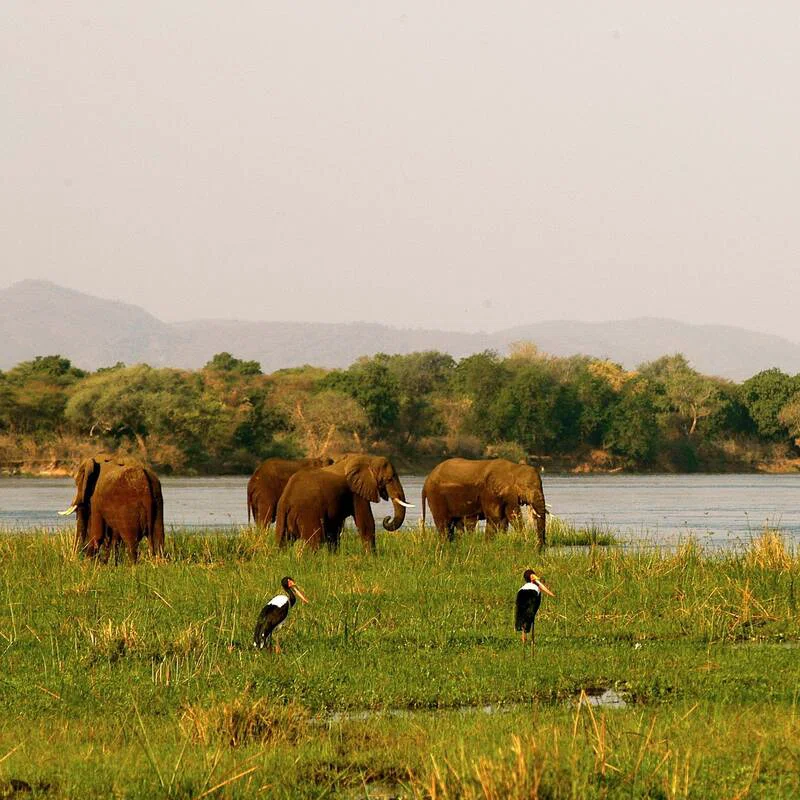
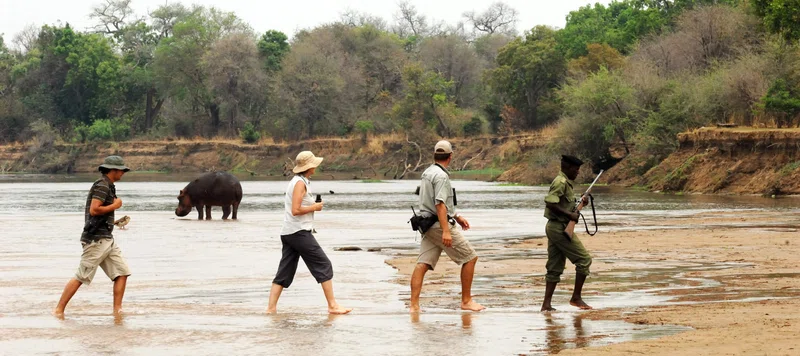
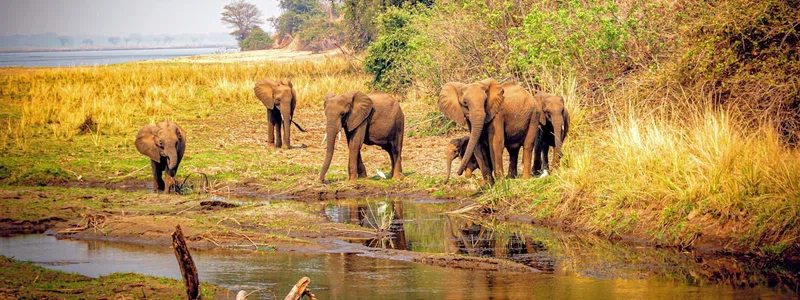
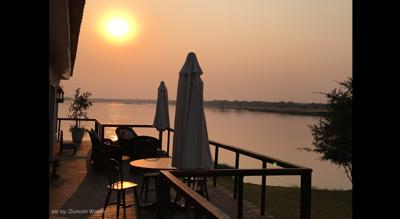
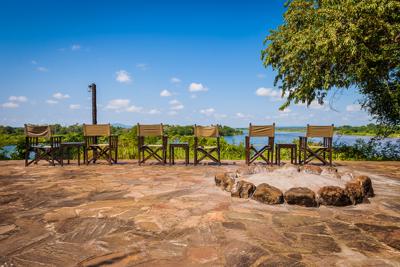
The Zambezi Valley is a vast and ecologically significant landscape in northern Zimbabwe, covering an area in excess of 23,000 km². It encompasses parts of the Mashonaland Central and West provinces, specifically the Hurungwe, Mbire, and Muzarabani districts. The terrain is characterized by low-lying Zambezi valley floor areas, typically between 400 and 500 meters above sea level, and rugged upland areas, including escarpments and portions of the central Zimbabwean plateau. Notable elevated features include the Chewore Inliers, reaching approximately 1,000 meters above sea level. All rivers within the valley, such as the Charara, Nyaodza, Sapi, and Chewore, ultimately drain into the Zambezi River, whose flow is regulated by the Kariba Dam. The climate is generally hot with low and erratic rainfall, particularly on the valley floor, with high temperatures. The dominant vegetation types are mopane woodlands in the lower areas and miombo woodlands on the escarpments and uplands.The Zambezi Valley is a critical conservation area, housing several of Zimbabwe's prime protected areas. These include Mana Pools National Park, a UNESCO World Heritage Site, along with the Chewore, Sapi, Hurungwe, Dande, Charara, and Doma Safari Areas. The Mavhuradonha Wilderness Area is also a significant protected zone and a proposed World Heritage Site. These protected areas collectively cover a substantial portion of the Hurungwe, Mbire, and Muzarabani districts. The region supports a diverse array of wildlife. A 2021 aerial survey estimated large populations of elephants (8,319), impalas (11,198), buffalo (5,928), zebra (542), waterbuck (412), sable (63), and eland (72). Predator species such as lion, leopard, cheetah, hyena, and wild dog are also present, particularly in Mana Pools. The Zambezi River itself is home to thousands of hippos and crocodiles. Wildlife corridors facilitate movement, especially for elephants, between protected areas and into neighboring Zambia and Mozambique.Tourism activities in the Zambezi Valley primarily include photographic safaris and sport hunting, with Mana Pools National Park being a key destination for photographic tourism. Sport fishing for species like tigerfish is popular along the Zambezi River. However, the valley faces significant conservation challenges. The Kariba Dam has altered the natural flood regime of the Zambezi River, leading to the consolidation and overgrowth of sandy islands. Overpopulation of elephants and impalas in certain areas, particularly Mana Pools, contributes to habitat degradation. Poaching of wildlife, especially fish from the Zambian side, remains a concern. Other threats include human-wildlife conflict, deforestation, streambank cultivation, illegal mining activities, and a generally poor road network.
Quick Info
Own this place?
Claim it to manage photos, respond to visitors, and promote it to travelers.
Claim this listing →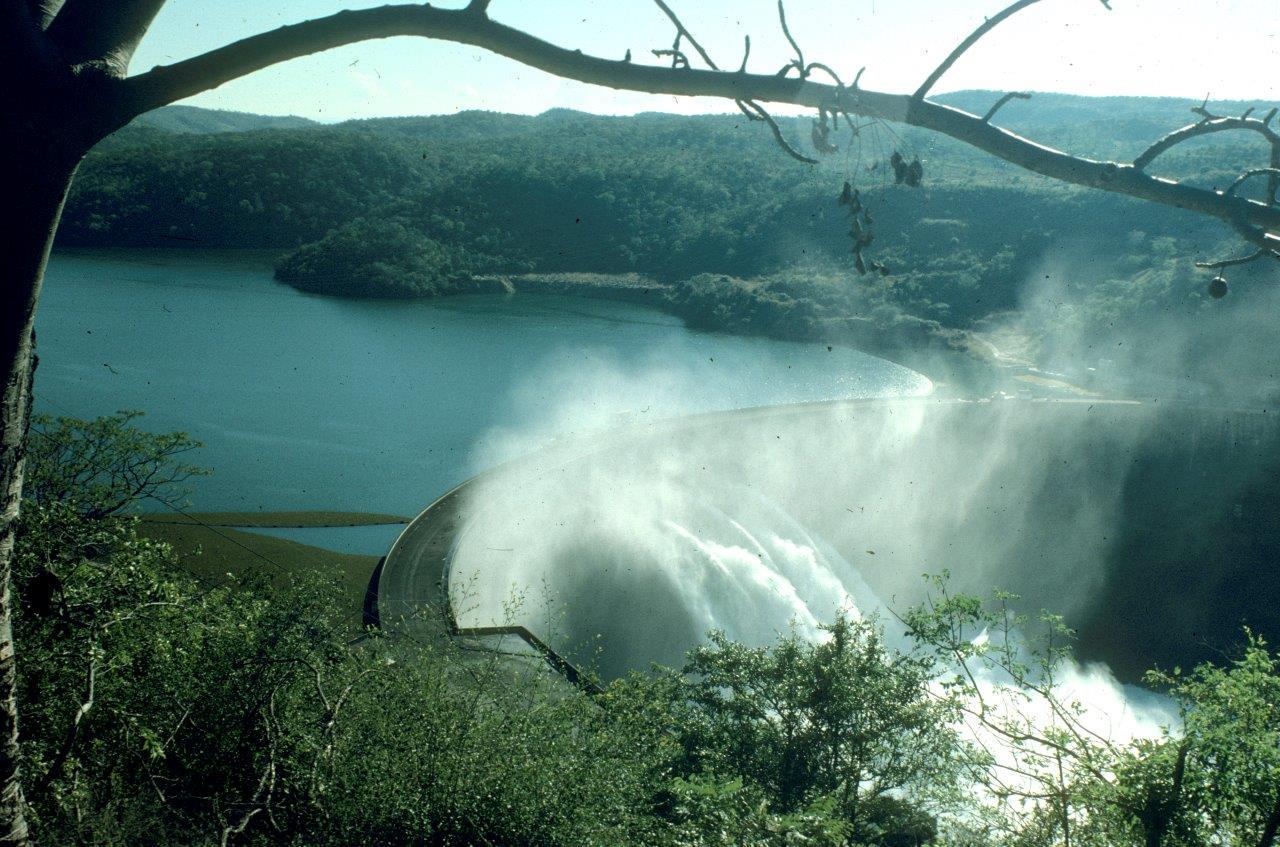



Weather & Rainfall Patterns
Station: 158s288e · 15 km away · 766m