

Kafue River
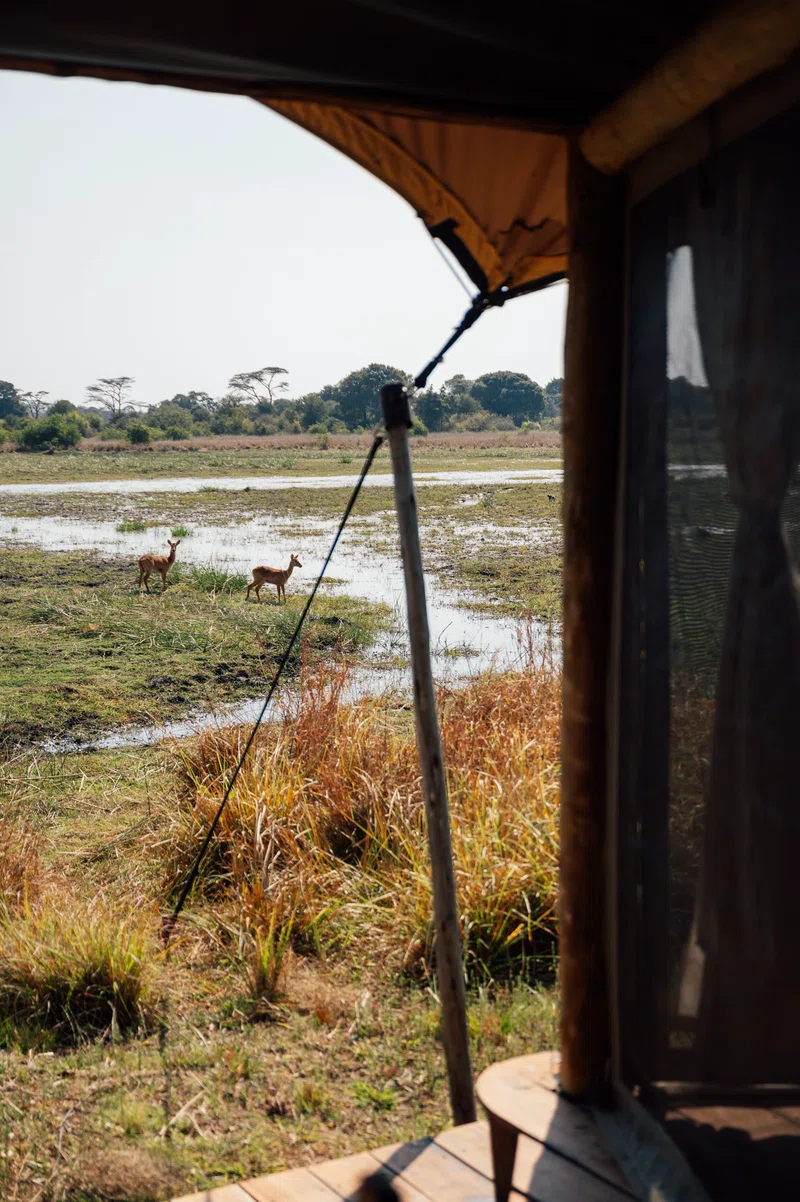
The Kafue River is the longest river entirely within Zambia, stretching approximately 1,576 kilometers (979 miles) and draining a vast basin of about 156,034 square kilometers, which accounts for 20% of Zambia's total land area. Originating at an elevation of 1,350 meters near the Zambia-Democratic Republic of Congo border, it flows sluggishly through Miombo woodlands and marshy dambos, quickly widening to 100 meters with a 1-2 kilometer floodplain. Its course meanders across Zambia's Copperbelt, Central, Southern, and Lusaka Provinces before joining the Zambezi River near Chirundu. The river's character varies significantly along its length, from slow-flowing reaches to fast channels and rapids, and it is fed by tributaries such as the Lunga, Lufupa, Musa, Luansanza, and Nanzhila rivers.The Kafue River is a critical resource for Zambia, providing potable water for approximately 40% of the population, including a major portion of Lusaka's supply. It is also vital for economic activities, supporting agriculture, municipal water supply, and domestic use. The Lower Kafue is particularly significant for hydroelectric power, generating 50% of Zambia's national supply through the Kafue Gorge Dam. The river system includes important ecological areas like the Lukanga Swamp and the extensive Kafue Flats, a 240-kilometer-long and 50-kilometer-wide floodplain. These wetlands are crucial for biodiversity, supporting tens of thousands of endemic Kafue Lechwe, a high concentration and variety of birds, and serving as spawning grounds for fish during seasonal floods. Lochinvar and Blue Lagoon National Parks are established on the Kafue Flats.However, the Kafue River faces significant environmental challenges. Pollution from Copperbelt mining activities, urban waste, and agricultural runoff (phosphates from fertilizers) threatens its water quality and fish populations. A notable incident in 2025 involved a tailings dam collapse, releasing acidic waste into a tributary. The construction of dams in the 1970s, such as the Itezhi-Tezhi Dam, altered the natural flood dynamics of the Kafue Flats, impacting habitats and leading to the encroachment of shrubs and reeds. Invasive species, including the Australian red-clawed crayfish and the giant sensitive bush, are also disrupting the ecosystem, outcompeting native species and altering fishing practices. Despite these pressures, some invasive plants like water hyacinth and Amazon frogbit have been observed to absorb excess nutrients, inadvertently helping to reduce pollution from untreated wastewater.
Quick Info
Own this place?
Claim it to manage photos, respond to visitors, and promote it to travelers.
Claim this listing →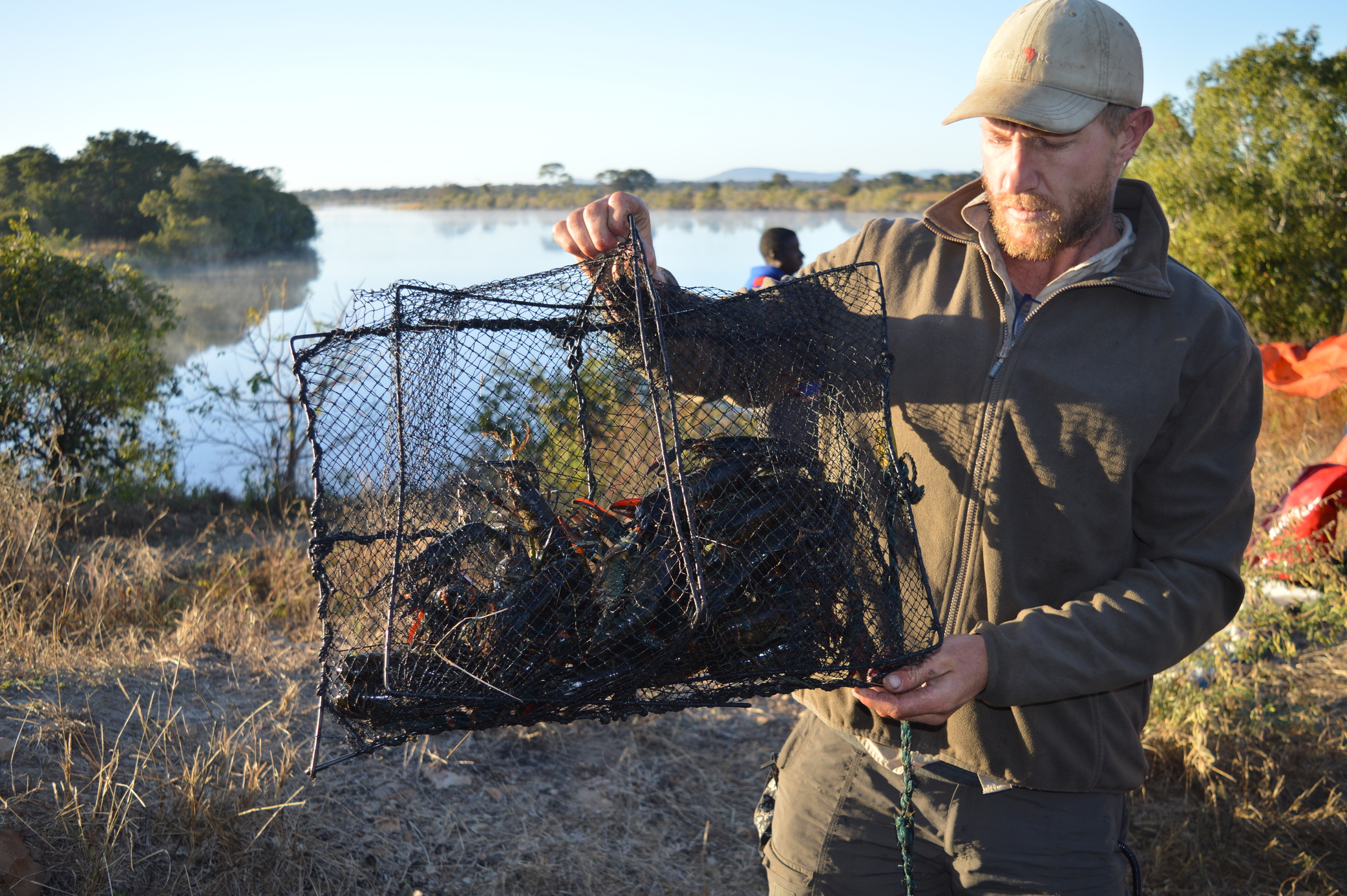

Weather & Rainfall Patterns
Station: 155s275e · 28.2 km away · 979m