
Abijatta-Shalla National Park
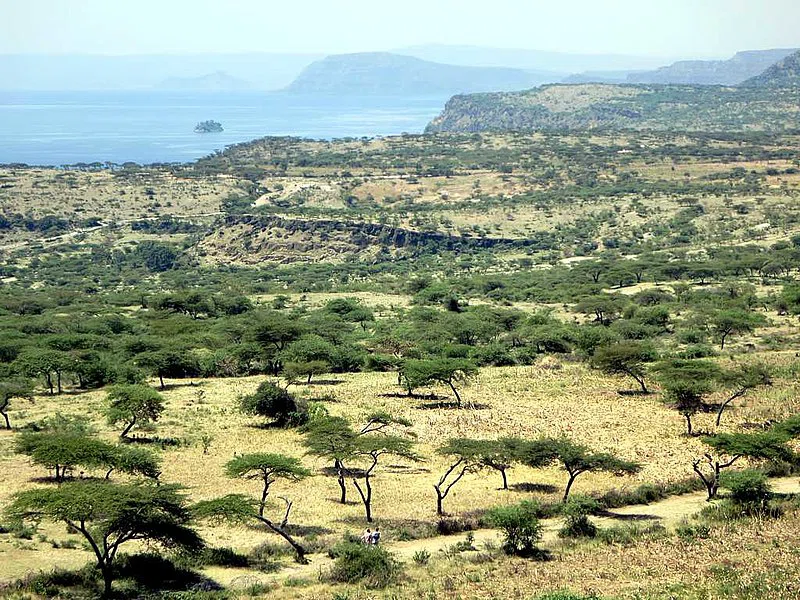
Abijatta-Shalla National Park is situated in the Oromia Region of the Ethiopian Highlands, approximately 200 kilometers south of Addis Ababa, lying east of the Batu–Shashamane highway. Established in 1974, this park spans 887 square kilometers, with over half of its area covered by the two prominent Rift Valley lakes, Abijatta and Shalla. The park's altitude ranges from 1540 to 2075 meters, featuring Mount Fike as its highest peak, strategically located between the two lakes. The landscape is characterized by open grasslands, dry savannas, arid shrublands, and deciduous woodlands dominated by various acacia species.The park's primary attractions are the two alkaline lakes, Abijatta and Shalla, which are separated by about three kilometers of hilly terrain. Lake Abijatta is a shallow pan, typically around 14 meters deep, known for its fluctuating water levels and saline, unstable beaches, where caution is advised due to the thin crust of dried mud. In contrast, Lake Shalla is Ethiopia's deepest Rift Valley lake, plunging to 260 meters, and is possibly the deepest lake in Africa north of the Equator. Its shores are steep and rocky, featuring numerous hot sulfurous springs that bubble up and flow into the lake, revered locally for their medicinal properties. These hot springs are relics of the massive volcanic activity that shaped the region. A smaller, blue-green saline lake, Lake Chitu, is also found south of Lake Shalla.Abijatta-Shalla National Park was primarily established to protect its abundant aquatic birdlife, making it a significant bird-watching destination. Over 300 to 400 bird species have been recorded, including large congregations of Greater and Lesser Flamingos, particularly on Lake Abijatta and Lake Chitu, where they feed on algae. Lake Shalla's islands serve as crucial breeding grounds for Great White Pelicans, which then fly to Lake Abijatta to feed due to Shalla's lack of fish. Other notable bird species include White-necked Cormorants, African Fish Eagles, Egyptian Geese, various plovers, herons, storks, egrets, and ostriches. While renowned for its birds, the park also hosts 76 species of mammals, such as Grant's gazelles, bohor reedbucks, oribis, common warthogs, greater kudus, olive baboons, and spotted hyenas. However, some species like lions and giraffes have been locally extirpated. Conservation challenges include human encroachment and deforestation of acacia woodlands for charcoal, though rehabilitation efforts have been underway since 1996.
Quick Info
Own this place?
Claim it to manage photos, respond to visitors, and promote it to travelers.
Claim this listing →Safari Tours
10 tours departing from this area
luxury
13-Day Best of Ethiopia Cultural & Natural Tour
$3,483
luxury
2-Day Abijatta Shalla National Park Tour
$386








2-Day Abijatta Shalla National Park Tour
0.0 km away
Weather & Rainfall Patterns
Station: 73n384e · 4.4 km away · 1652m