

Nosy Komba
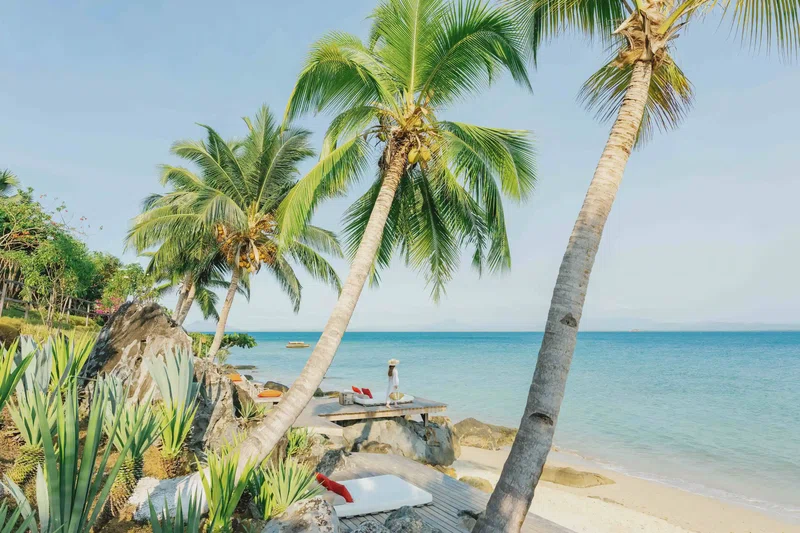
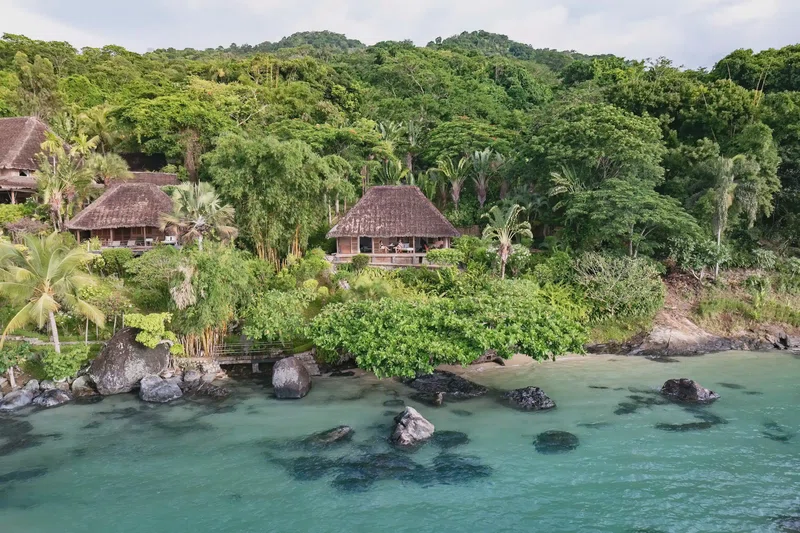
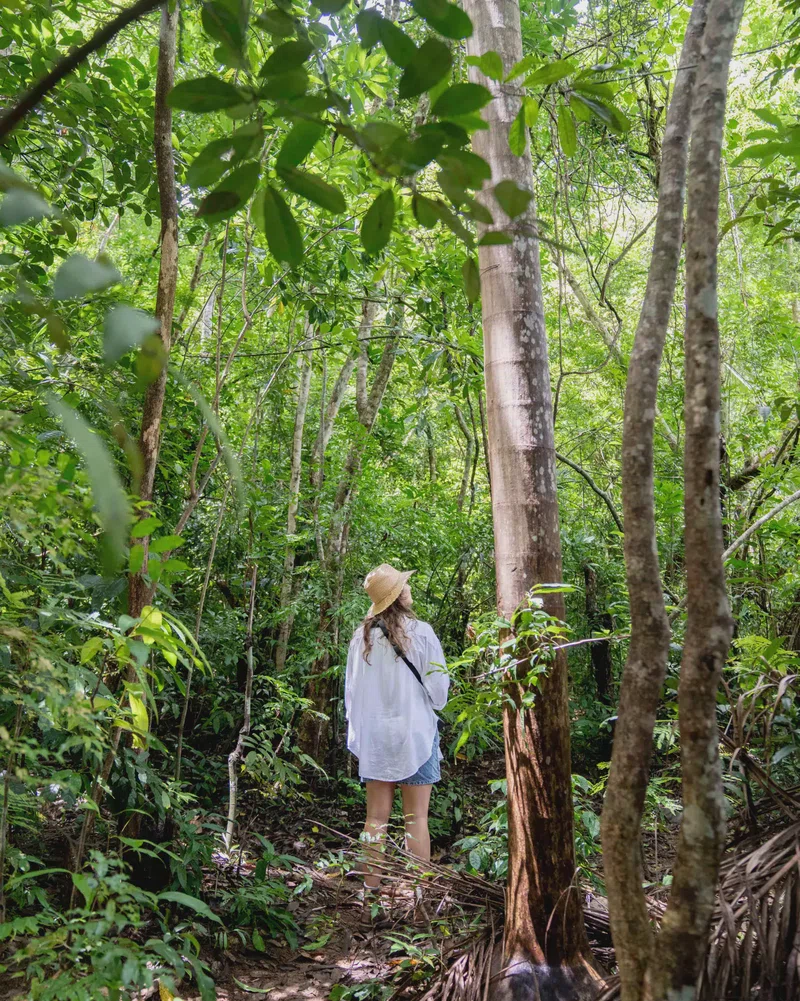
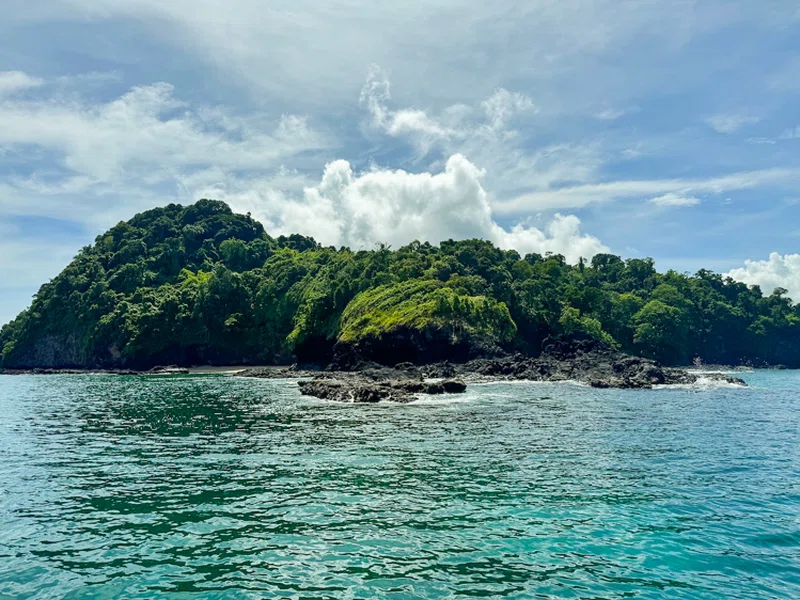
Nosy Komba, also known as Nosy Ambariovato, is a circular volcanic island situated in the northwest of Madagascar, approximately 7 kilometers from Hell-Ville in Nosy Be. It serves as a natural link between the larger Nosy Be island and mainland Madagascar. The island spans an area of 25 square kilometers, measuring 6.5 kilometers at its longest and 5 kilometers at its widest. Its landscape is characterized by dense tropical vegetation and numerous volcanic rocks, including granite, dykes, basalt, and slate, which contribute to its original name, meaning “the island surrounded by rocks.” These geological formations also offer natural protection against rough waters. The island's highest point is Mount Antagniani Omby, reaching over 622 meters. Nosy Komba experiences a tropical, humid, and hot climate, with a rainy season from November to March/May and a cooler, drier austral winter from April to October.The island is famously known as the “island of lemurs” due to its significant population of macaco lemurs, which live in social groups led by females and are accustomed to human interaction. Beyond lemurs, the island supports a diverse range of reptiles and amphibians, though their populations have been impacted by historical deforestation. Nosy Komba offers a tranquil environment, devoid of roads, cars, or public electricity, with life unfolding to the rhythm of the sun and traditional sailing pirogues. Transportation around the island is primarily on foot along various paths, by sea, or via boat.Visitors can engage in a variety of activities, including forest walks, exploring scenic viewpoints, and discovering local handicrafts such as embroidered textiles and carved wooden items. The surrounding emerald waters are ideal for snorkeling, diving, and boat excursions to nearby islands like Nosy Tanikely. Hiking to the sacred peak of Antaninaomby is a popular pursuit, as are kayaking, swimming, and visits to local villages and vanilla plantations. The island's population, recorded at 7,595 inhabitants in 2022, is concentrated in coastal villages like Ampangorina, Anjiabe, and Antrema. The local Sakalava people sustain themselves through fishing and tourism, and their culture is rich with traditions, including the reverence for sacred trees. Historically, Nosy Komba served as a refuge for Sakalava refugees and and later as a French colonial logistic center and sanatorium.
Quick Info
Own this place?
Claim it to manage photos, respond to visitors, and promote it to travelers.
Claim this listing →






1-Day Nosy Be Cruise Ship Excursion Nosy Iranja
0.0 km away
Weather & Rainfall Patterns
Station: 133s484e · 16.6 km away · -9999m