
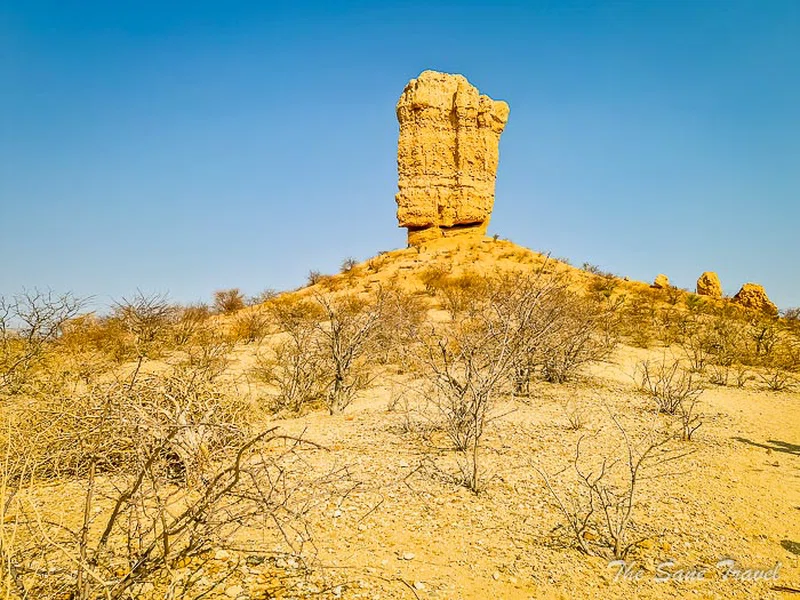
Kuiseb Canyon
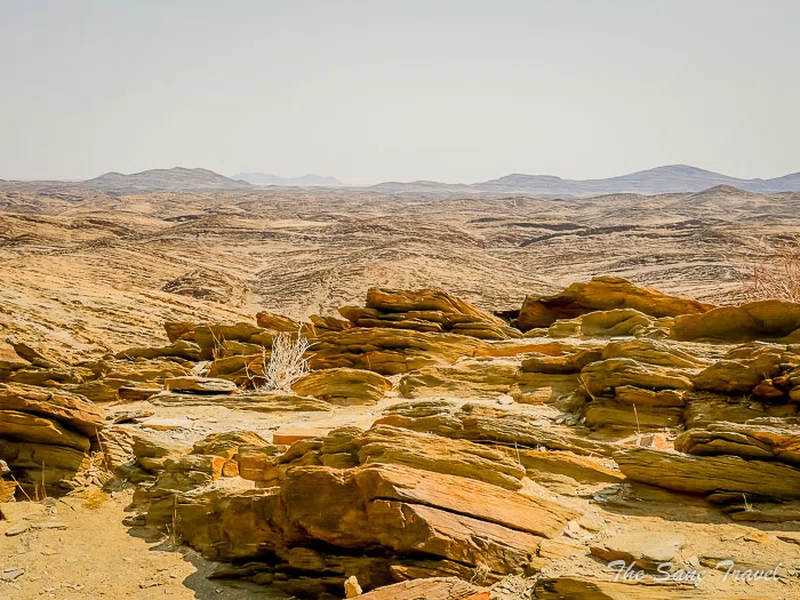
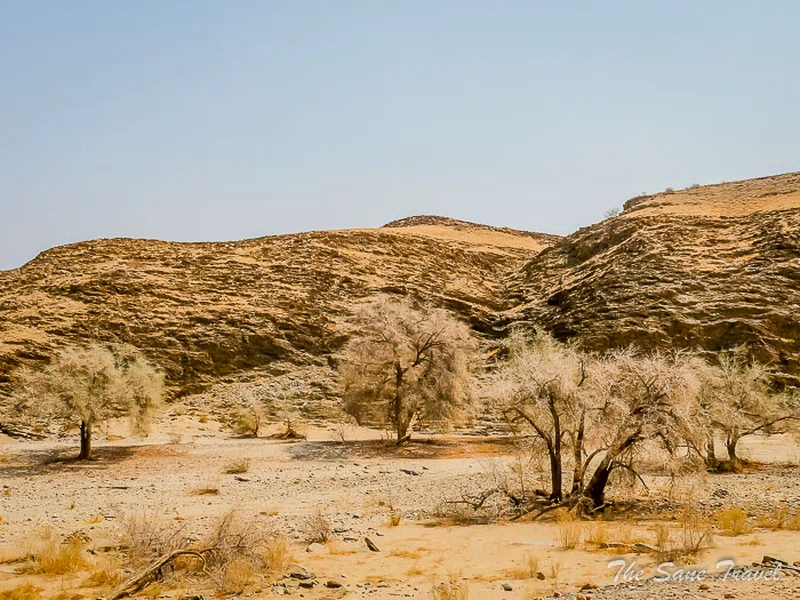
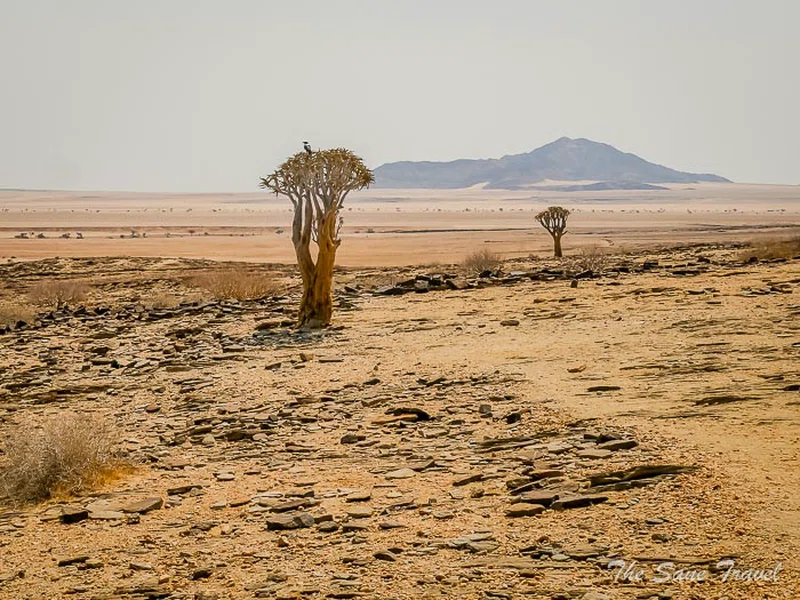
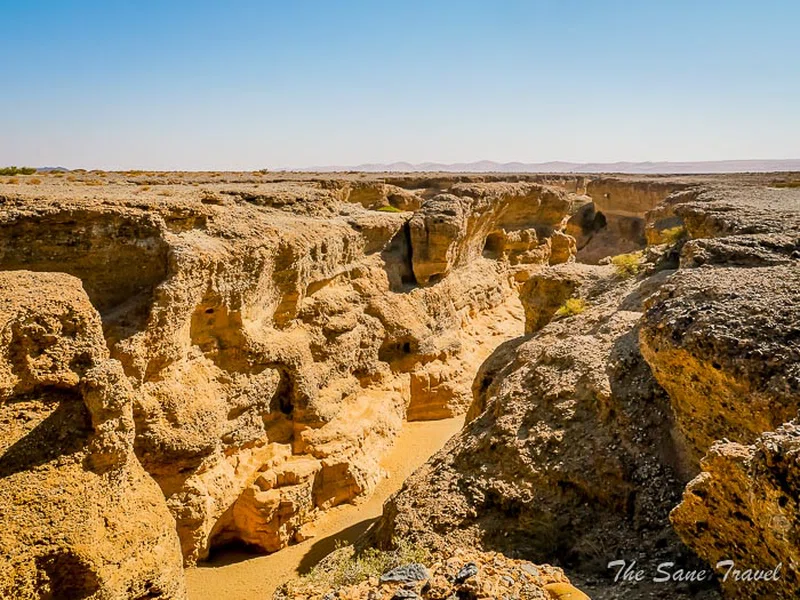
Kuiseb Canyon is a remarkable natural wonder situated within Namibia's expansive Namib-Naukluft Park, positioned west of the Khomas Hochland. This immense geological formation, stretching approximately 150 kilometers, has been sculpted over millions of years by the powerful erosional forces of the ephemeral Kuiseb River. The canyon's landscape is dramatically varied, characterized by steep cliffs and captivating rock formations predominantly composed of schist rock. In some sections, it plunges to depths of up to 200 meters, creating a unique "canyon within a canyon" appearance, while closer to the sea, it broadens into vast fields of rolling sand dunes.The Kuiseb River, which defines the canyon, is typically dry for most of the year, appearing as a wide, sandy riverbed. It flows intermittently for only a few weeks during the rainy season, often disappearing into the sand before reaching the Atlantic Ocean, though historically, significant floods have pushed its waters through to the sea. This river system serves as a vital natural boundary, effectively separating the towering sand dunes of the southern Namib Desert from the rocky desert to the north, thereby preserving distinct ecosystems. The canyon's environment supports a diverse array of flora and fauna uniquely adapted to the harsh desert conditions. Wildlife includes various reptiles, insects, and birds such as Verreaux's Eagle and Lappet-Faced Vulture, alongside mammals like chacma baboons, klipspringers, springbok, jackals, and the elusive leopard and hyena. Notable plant life includes sycamore and Namaqua rock fig trees, as well as the ancient Welwitschia plant found in the more arid northern areas.Kuiseb Canyon also holds historical significance, famously serving as a hiding place for German geologists Henno Martin and Hermann Korn for over two years during World War II, a compelling story immortalized in Martin's book "The Sheltering Desert." Today, while its upper reaches remain largely uninhabited, scattered Topnaar Khoikhoi communities reside where the valley widens along the north river bank. Visitors can explore the canyon through scenic drives and various walking trails, with viewpoints like Carp Cliff offering spectacular vistas, particularly at sunset. Activities such as the multi-day Kuiseb90 Hike provide an immersive experience into this remote wilderness, allowing adventurers to traverse diverse terrains, track wildlife, and camp within the canyon's depths. The area is also a significant site for geomorphological studies, revealing landforms shaped by ancient flash-flood sediments and diverse surface geology, including Tsondab sandstones and 15-million-year-old conglomerates.
Quick Info
Own this place?
Claim it to manage photos, respond to visitors, and promote it to travelers.
Claim this listing →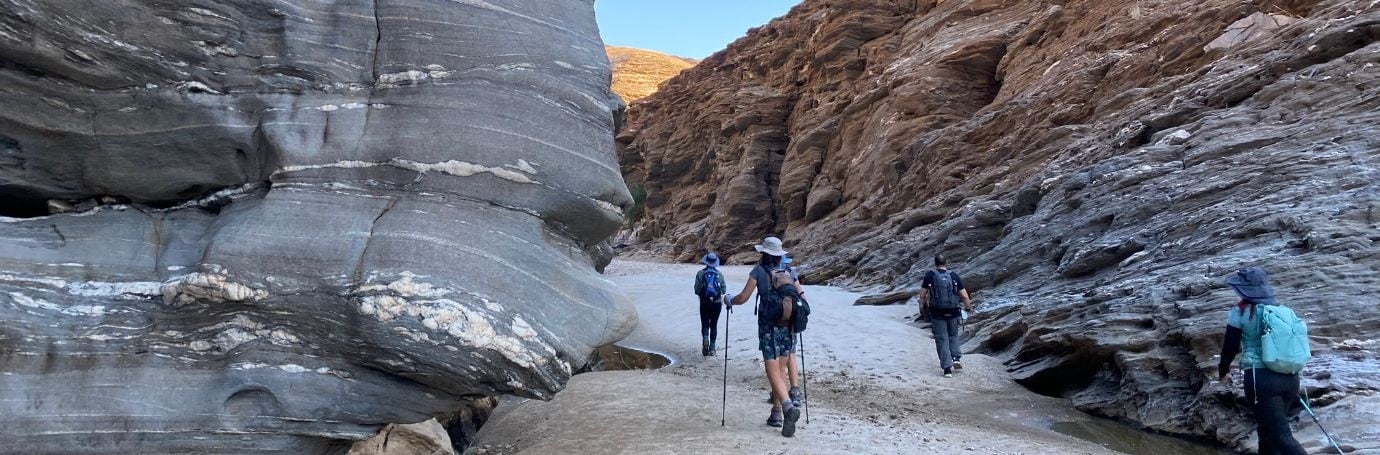


Weather & Rainfall Patterns
Station: 233s153e · 22.6 km away · 691m