
Lake Bisina
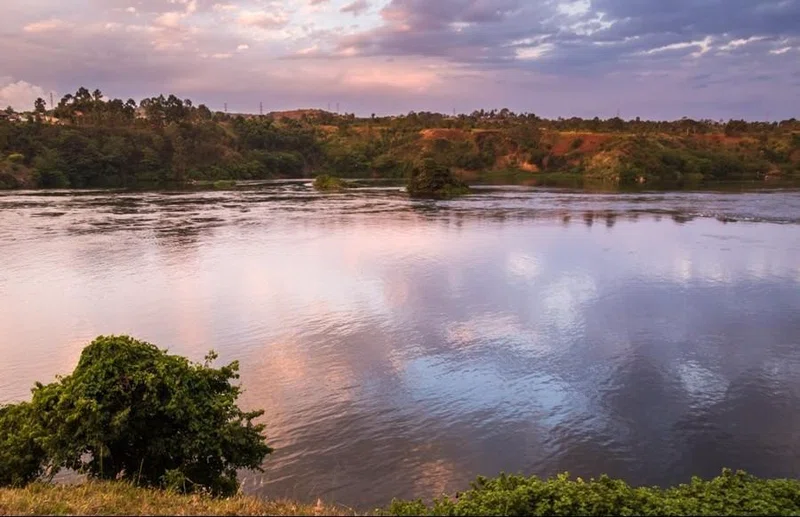
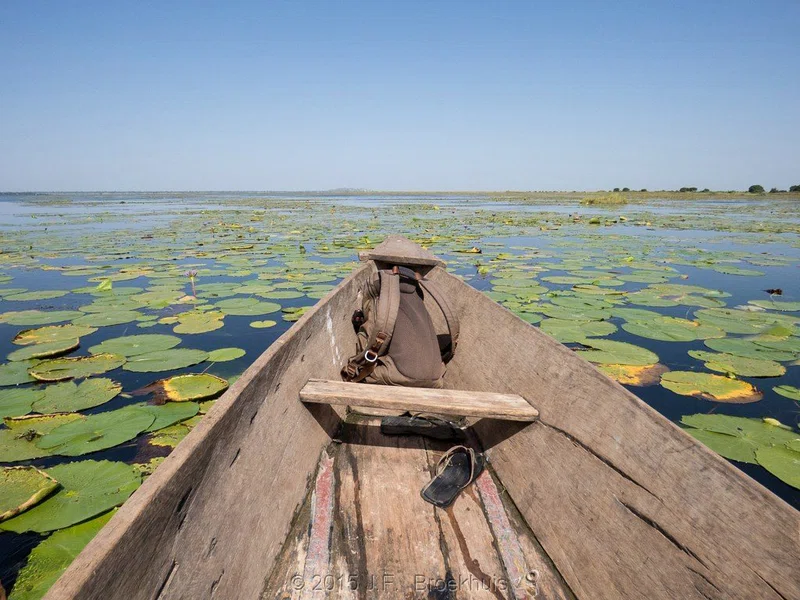
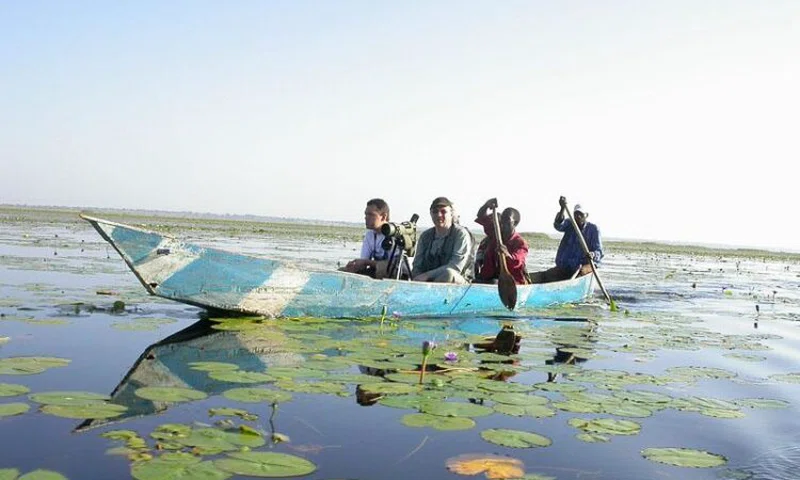
Lake Bisina, also known as Lake Salisbury or Lake Bisinia, is a significant freshwater lake situated in eastern Uganda, approximately 15 kilometers from Kumi district and 20 kilometers east of Soroti. It forms part of the Lake Kyoga Basin, acting as a satellite lake that drains into Lake Kyoga, with the two bodies of water connected by extensive papyrus swamps. The lake is relatively shallow, with depths at sampling locations ranging from 0.6 to 5.0 meters, averaging 2.89 meters. Covering an area of about 192 square kilometers, it stretches approximately 32 kilometers long and 6 kilometers wide. The lake's hydrology is influenced by seasonal changes; during the high-water rainy season, it can reach depths of up to 6 meters and often connects directly with the smaller Lake Opeta, but these two lakes become clearly separated during the dry season when water levels recede, sometimes by as much as 200 meters. The surrounding landscape features a broad floodplain linked to the Apedura River, which feeds the lake system from Karamoja. The lake's edges are characterized by floating Vossia grass, extending into seasonal Hyparrhenia-dominated grasslands, and extensive Echinochloa grass in the swamps.Recognized internationally for its ecological value, Lake Bisina has been designated a Ramsar-listed wetland of international importance since 2006 and is one of Uganda's 33 Important Bird Areas. It serves as a crucial feeding ground for a diverse array of wading birds, including the globally vulnerable Shoebill (Balaeniceps rex). The wetland system is also a vital refuge for various fish species, notably several threatened haplochromine cichlids, as well as native Singida and Victoria tilapias, marbled lungfish, and different species of catfish, African tetras, and elephantfish, many of which have become extinct in larger Ugandan lakes like Victoria and Kyoga. The papyrus and seasonally flooded wetland habitats support specialist wetland birds, such as the highly range-restricted Fox's Weaver, which has been recorded breeding here, along with the Papyrus Gonolek, White-backed Duck, and other species like the Grey Heron, Purple Heron, African Marsh Harrier, Grey Crowned Crane, and Lesser Jacana. While rarely seen, Nile Crocodiles and Hippos also inhabit the lake. The area is also home to IUCN Red-listed animals like the Sitatunga and Pelomys hopkinsi, and four rare butterfly species.Local communities around the Bisina-Opeta system depend heavily on the lake's resources for fishing, livestock watering, and harvesting wetland materials. The lake is particularly critical during times of famine, with the rhizome of the Nymphea genus being used as a food source during droughts. Activities available for visitors include mud-fishing, birding, nature walks, canoeing, camping, and general sightseeing. Boat trips offer opportunities to appreciate the natural beauty and spot rare bird species. Lake Bisina's proximity to other attractions like Nyero Rock Site, Lake Opeta, Mount Elgon National Park, Pian Upe National Reserve, and Kidepo Valley National Park makes it a potential stop for broader Ugandan safaris. Efforts are underway to ensure sustainable use, with a community-based management plan and a local fisheries association promoting responsible fisheries development.
Quick Info
Own this place?
Claim it to manage photos, respond to visitors, and promote it to travelers.
Claim this listing →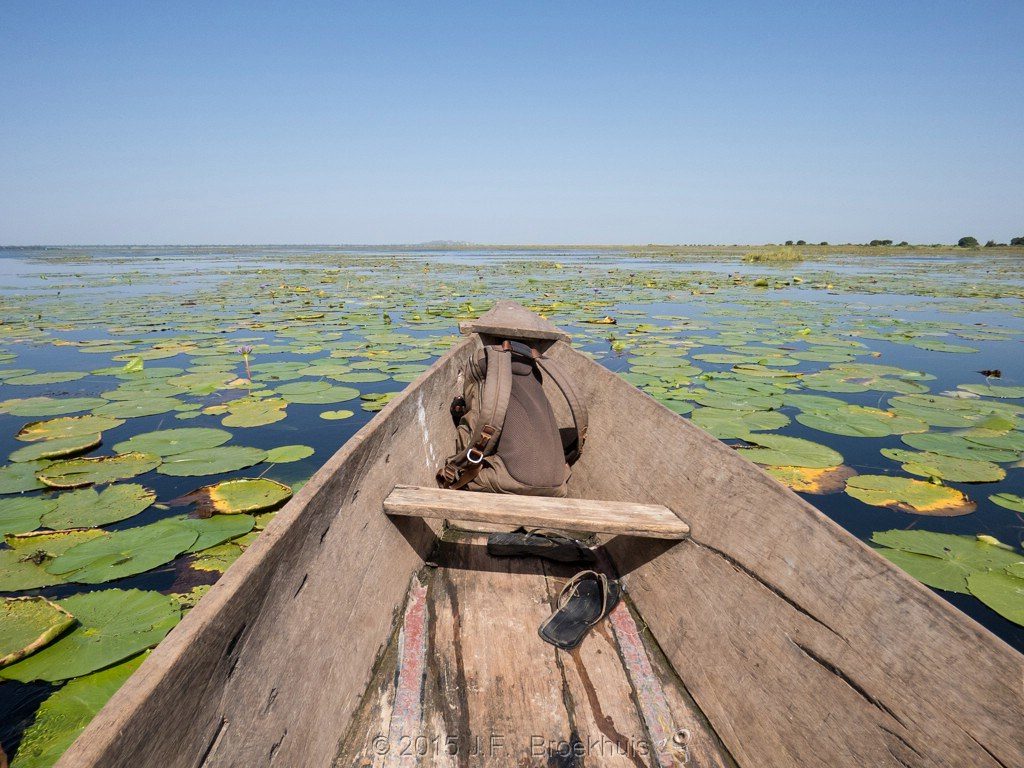


1 Day Sipi Falls Tour Uganda Hike
0.1 km away
1 Day Sipi Falls Tour Uganda Hike
0.1 km away
Weather & Rainfall Patterns
Station: 14n338e · 15.7 km away · 1076m