


Ubombo
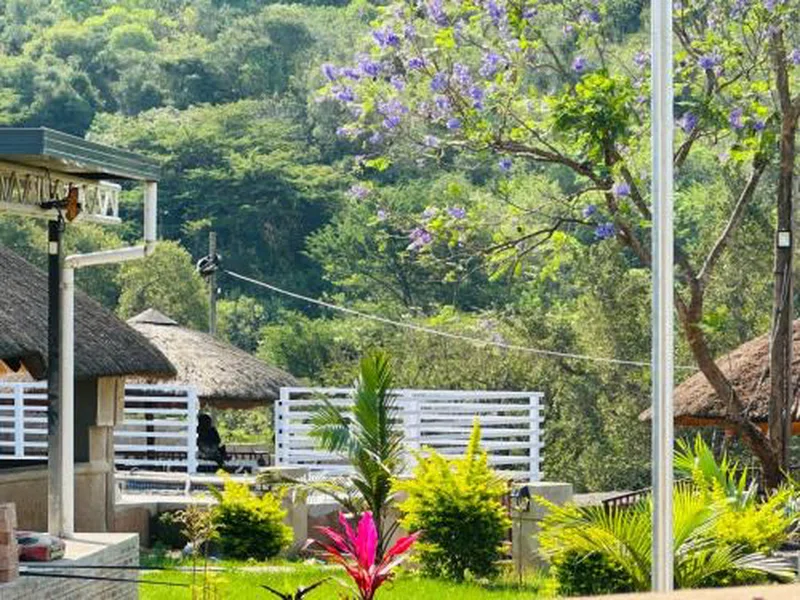
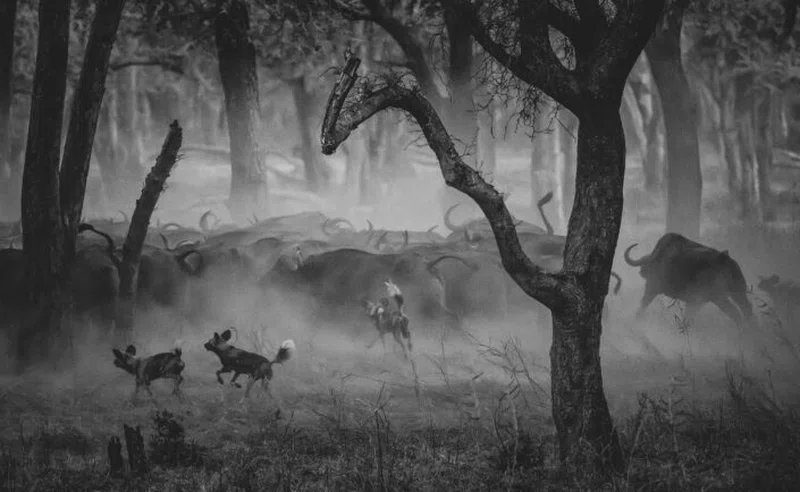
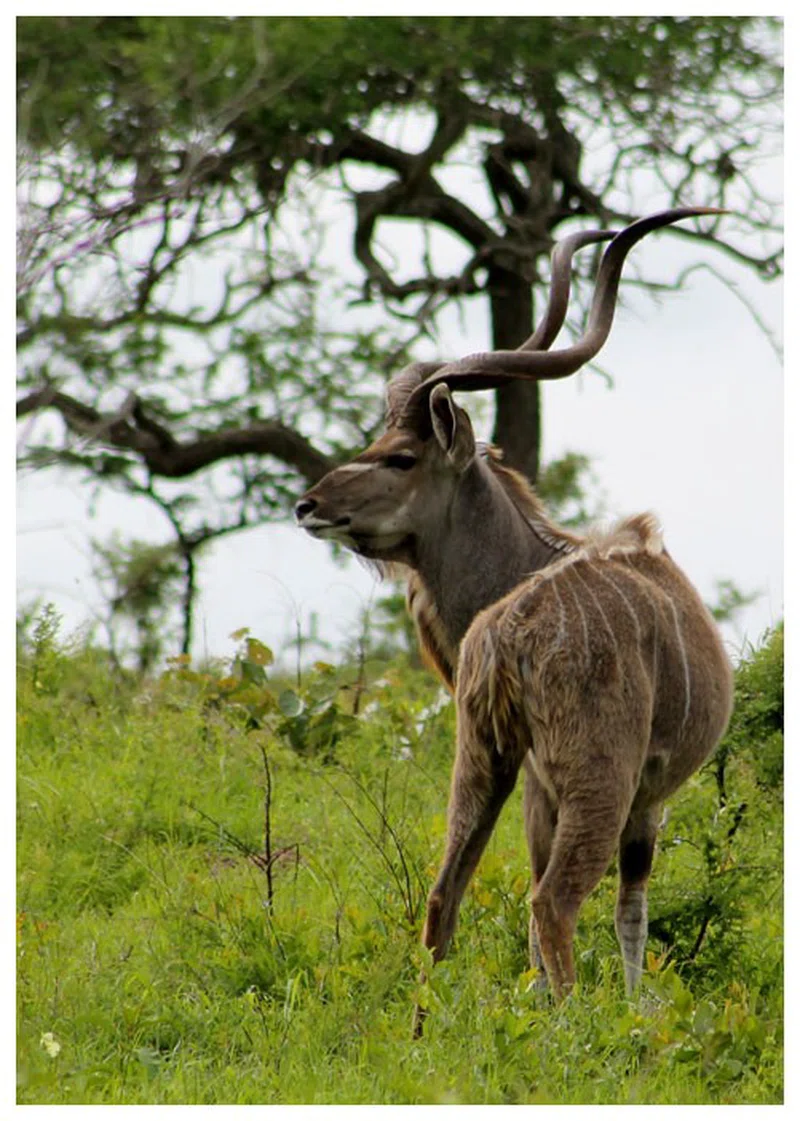
Ubombo is a small town located in northern KwaZulu-Natal, South Africa, approximately 17 km north-east of Mkuze and about 350 kilometers from Durban. It is situated on the Lebombo Mountain range, which forms part of the border between Eswatini (formerly Swaziland) and KwaZulu-Natal. The name "Ubombo" is derived from the Zulu word "Lumbombo," meaning 'high mountain ridge,' while the Zulu name for the village is Obonjeni, meaning 'on the ridge of the nose.' This mountainous region is characterized by undulating hills and offers expansive views. The area is dotted with game reserves and features scattered fields of sugar cane. Nearby, the legendary Ghost Mountain stands, a site where Shangaan chiefs were laid to rest, known for a taboo cave and reports of strange lights and noises among its cliffs.The region around Ubombo is rich in natural features and wildlife. It is in close proximity to significant natural attractions such as the Pongolapoort Dam (also known as Lake Jozini), the Mkuze Game Reserve, and the iSimangaliso Wetland Park, which includes the St Lucia Marine Reserve. The Mkhuze Ubombo Mountain Nature Reserve, administered by Ezemvelo KZN Wildlife, spans an impressive altitudinal range from 90m to 595m above sea level, encompassing diverse habitats like riverine bush, thornveld, grassland, and cliffs. This ecological diversity supports over 450 bird species, making it a renowned birding destination. Key bird species include the Pink-throated Twinspot, Neergaard's Sunbird, Rudd's Apalis, Gorgeous Bush-shrike, Pel's Fishing Owl, and various raptors like Martial Eagles and African Fish Eagles. Beyond birding, visitors can enjoy activities such as Tiger fishing in Lake Jozini and hiking on Ghost Mountain. The broader area also provides access to the "Big Five" at Hluhluwe/Imfolozi game reserve and elephant viewing at Tembe Elephant Park.Historically, Ubombo holds significance as the location where Sir David Bruce and his wife Mary conducted their work between 1894 and 1897. During this period, Bruce made the crucial discovery of the causative agent of nagana (African trypanosomiasis, or "sleeping sickness") and its transmission by the tsetse fly. The Bethesda district hospital, founded by the Methodist Church, also began its operations in this village in 1932. Life in Ubombo is predominantly rural, with local villages and agricultural activities, particularly sugar cane farming, forming the backbone of the community.
Quick Info
Own this place?
Claim it to manage photos, respond to visitors, and promote it to travelers.
Claim this listing →





Weather & Rainfall Patterns
Station: 273s319e · 10.7 km away · 150m