
Western Cape
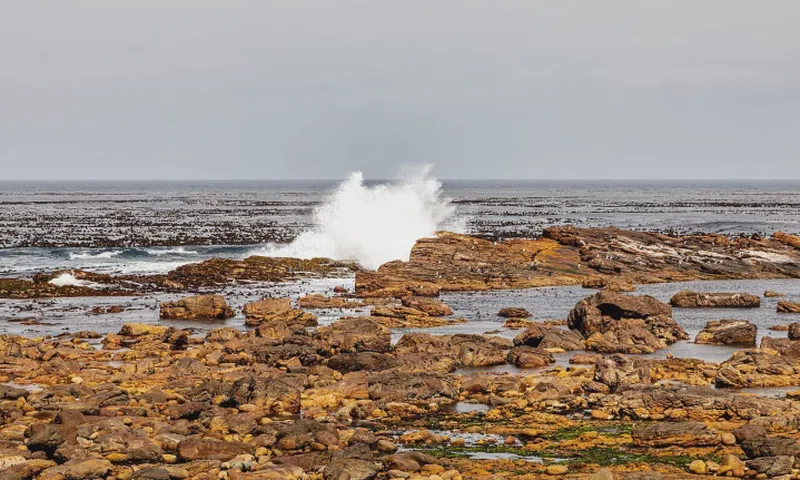
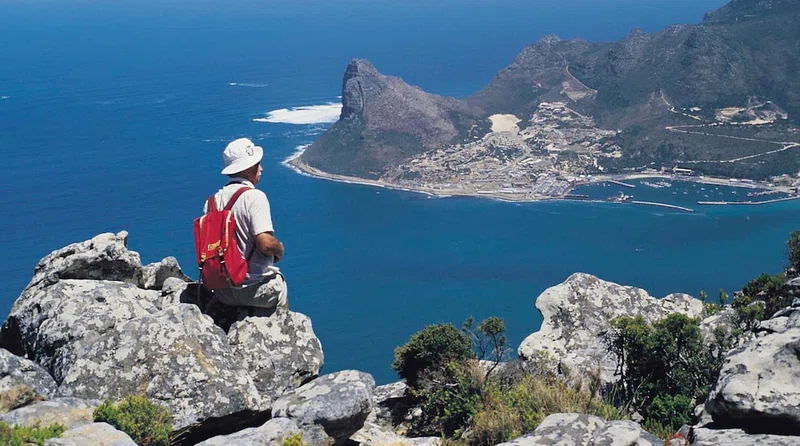
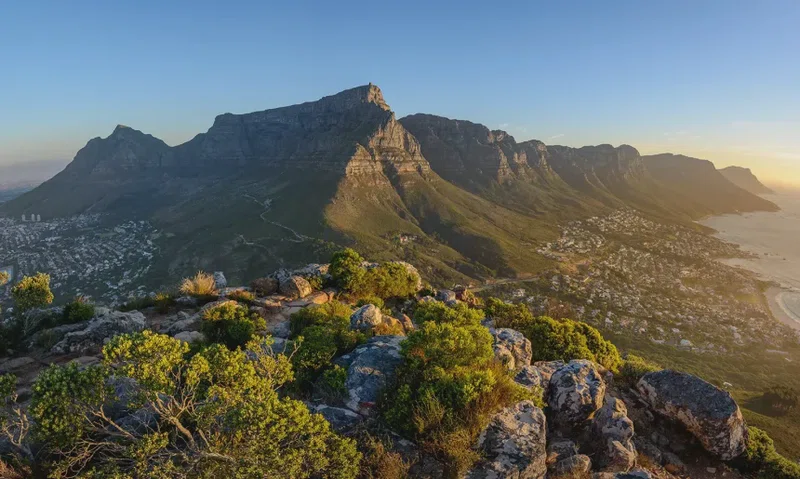
The Western Cape is a province located on the southwestern tip of the African continent, bordered by the Atlantic and Indian Oceans to its west and south, respectively, and by the Northern Cape and Eastern Cape provinces to its north and east. It is geographically the fourth largest of South Africa's nine provinces, covering an area of 129,449 square kilometres (49,981 sq mi). The provincial capital and largest city is Cape Town, which also serves as South Africa's legislative capital. The province is home to over 7.4 million people, with Afrikaans, isiXhosa, and English being the main languages spoken.Topographically, the Western Cape is exceptionally diverse. Much of the province falls within the Cape Fold Belt, characterized by nearly parallel ranges of sandstone mountains with peaks reaching between 1,000 and 2,300 meters. The valleys nestled between these ranges are generally very fertile. The far interior extends into the Karoo, an arid and hilly region. The coastline varies from sandy stretches to rocky and mountainous areas, with notable features like the Cape of Good Hope and the iconic flat-topped Table Mountain overlooking Cape Town. The province is drained by several rivers, including the Berg, Olifants, Breede, and Gourits. The Western Cape is also renowned for its unique flora, being almost exclusively home to the Cape Floral Kingdom, one of the world's six floral kingdoms, largely covered by Fynbos. The climate is diverse, with a Mediterranean climate in most areas (cool, wet winters and warm, dry summers), while the Karoo experiences arid to semi-arid conditions. The Garden Route and Overberg regions on the south coast have a maritime climate with cool, moist winters and mild, moist summers.The Western Cape boasts a robust and diverse economy, consistently ranking as the strongest-performing provincial economy in South Africa. The services sector is the primary driver of growth, with significant contributions from finance, business services, real estate, manufacturing, and wholesale and retail trade. Cape Town, in particular, has a thriving tech sector and a large film industry. Agriculture is a strong sector, producing much of South Africa's wool, wheat, fruit, and nearly all of its wine, making the province the 7th largest wine-producing region globally. Ostrich farming and a rich Atlantic fishing industry also contribute significantly. Tourism is a linchpin of the economy, with Cape Town International Airport serving millions of passengers annually. The province has the lowest unemployment rate in the country and is committed to fostering an open opportunity society through initiatives like the Export Competitiveness Enhancement Programme and the SMME Booster Fund.Historically, the Western Cape has a rich and complex past, marked by early European settlement, the introduction of slavery, and subsequent cultural mixing. This history has shaped its diverse population and cultural landscape. Significant historical sites include Robben Island, a former prison and now a UNESCO World Heritage site, and the Castle of Good Hope, the oldest surviving colonial building in South Africa. The province is also known for its vibrant cultural events, such as the Cape Minstrels carnival, and its world-renowned wine estates, some of which date back to the 17th century. The province was created in 1994 from part of the former Cape Province and has a long tradition of liberal values.
Quick Info
Own this place?
Claim it to manage photos, respond to visitors, and promote it to travelers.
Claim this listing →








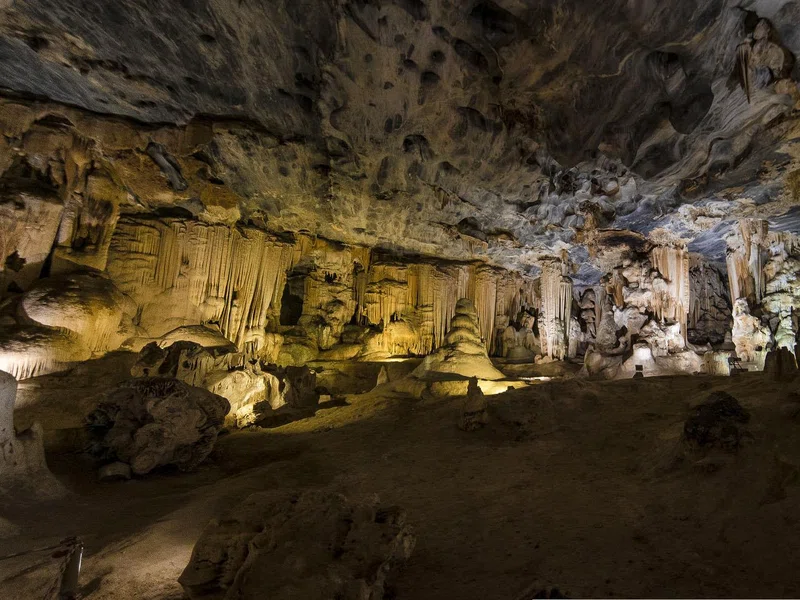
Cango Caves
0.0 km away
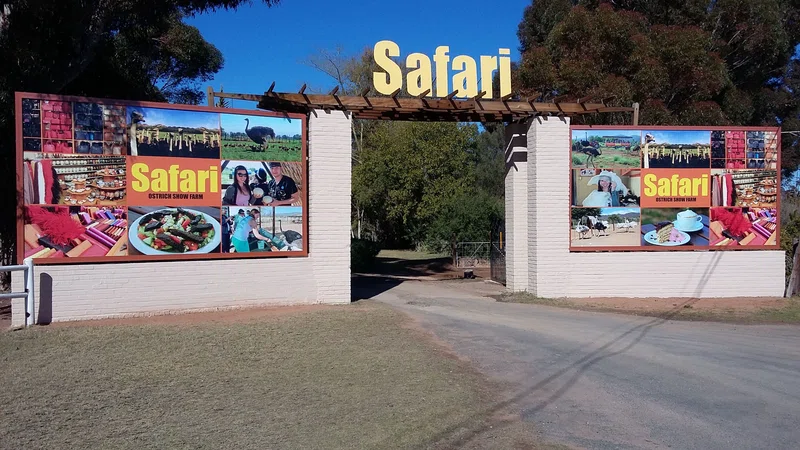
Ostrich Farm
0.1 km away
Weather & Rainfall Patterns
Station: 329s219e · 28.6 km away · 605m