
Bunyaruguru
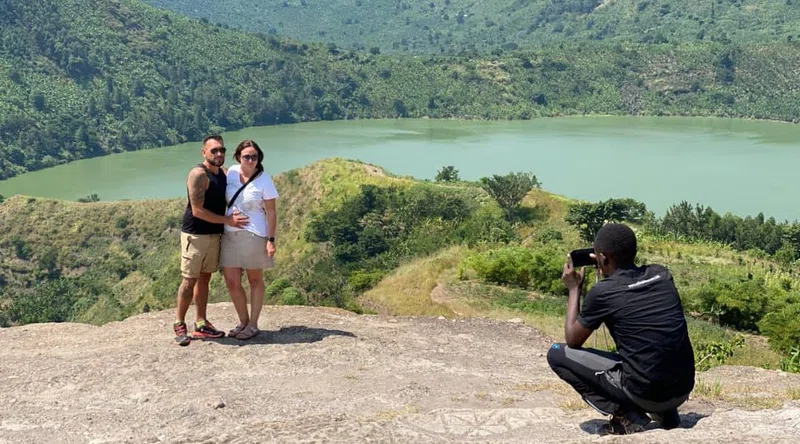
Bunyaruguru is a historically significant region located in western Uganda, approximately 350 kilometers from the capital city of Kampala. It forms part of the Rubirizi District and was once an independent kingdom before its integration into the British colonial administration in 1901. Geographically, Bunyaruguru is situated along the eastern side of the Western Rift Valley, south of Lake George, and notably straddles the equator.The area is renowned for being part of the Bunyaruguru (also known as Kichwambe) volcanic field, which is characterized by over 130 maars, 27 of which contain picturesque crater lakes. These lakes, formed through volcanic activity, are believed to have emerged concurrently with the Rwenzori Mountains. Notable examples include the culturally significant twin lakes of Katinda (regarded as female) and Mirambi (male), as well as Kamweru and Kyema, which are connected by a narrow valley and possess distinct depths and water chemistries. Lake Nyungu and Rwizongo are also part of this system, with local myths suggesting Lake Nyungu "swallows a person" annually from the nearby Kasungu village. Lake Nkuruba is recognized as safe for swimming. The geological composition of the region includes friable calcareous volcanic tuffs interbedded with various sedimentary layers.Bunyaruguru offers a range of activities, often in conjunction with the nearby Queen Elizabeth National Park. It is a prime destination for birdwatching, boasting over 300 recorded bird species. Visitors can engage in canoeing on the crater lakes, nature walks, and hiking through the surrounding hills and forests, where they might spot primates like white colobus and vervet monkeys. Cultural encounters are a significant aspect of the Bunyaruguru experience, with local Banyaruguru and Banyakole communities sharing their traditions through dances, banana gin brewing, folk songs, and stories. Agro-tourism is also available, allowing visitors to learn about local crop cultivation such as Arabica coffee, bananas, and yams. The dry seasons, typically from June to September and December to February, are considered ideal for visiting due to clearer conditions for wildlife viewing and other activities.
Quick Info
Own this place?
Claim it to manage photos, respond to visitors, and promote it to travelers.
Claim this listing →




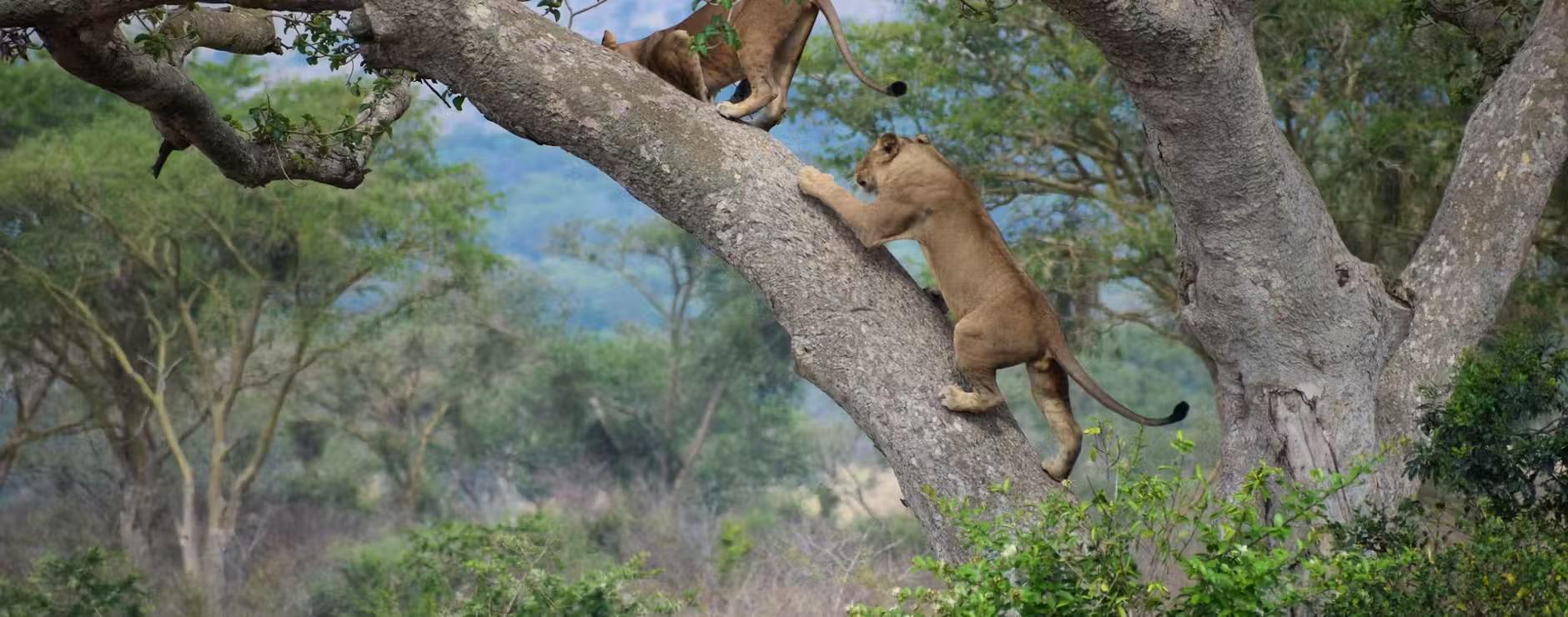
5-Day Queen Elizabeth National Park Safari
0.0 km away
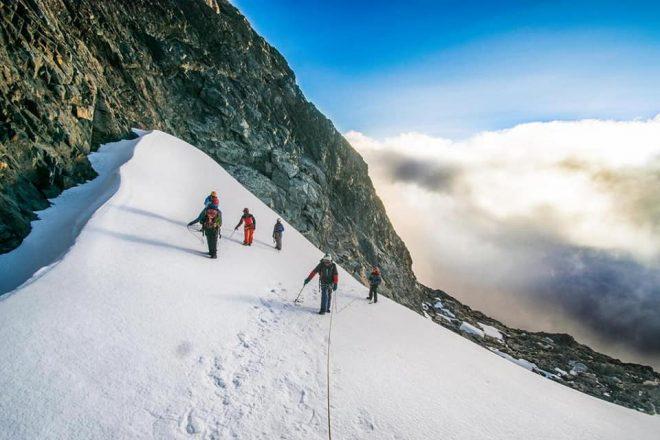
13 Days Rwenzori Trekking & Uganda Wildlife Experience
0.0 km away

Simba Safari Camp
0.0 km away

3-day Queen Elizabeth Safari
0.0 km away
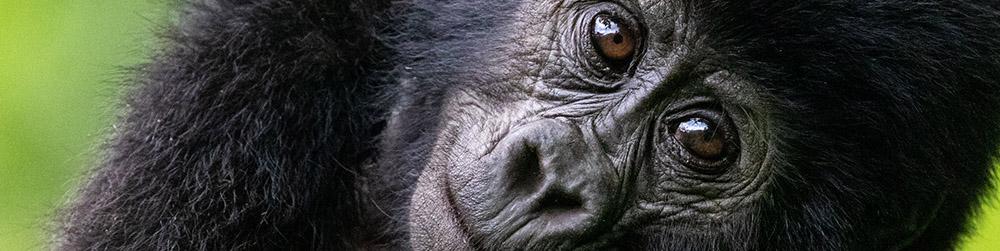
5 Days Bwindi & Queen Elizabeth Tour
0.0 km away
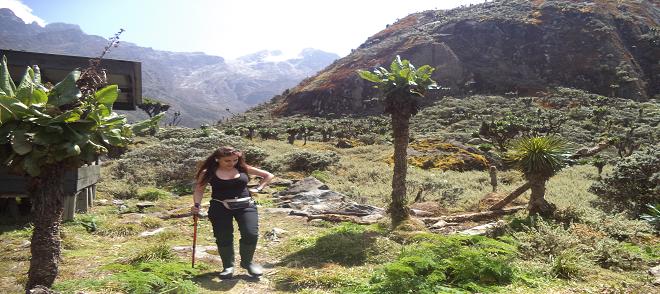
8 Days Rwenzori Climbing with Margherita Peak via the Bukurungu Trail
0.0 km away
Weather & Rainfall Patterns
Station: 2n300e · 25.3 km away · 1730m