
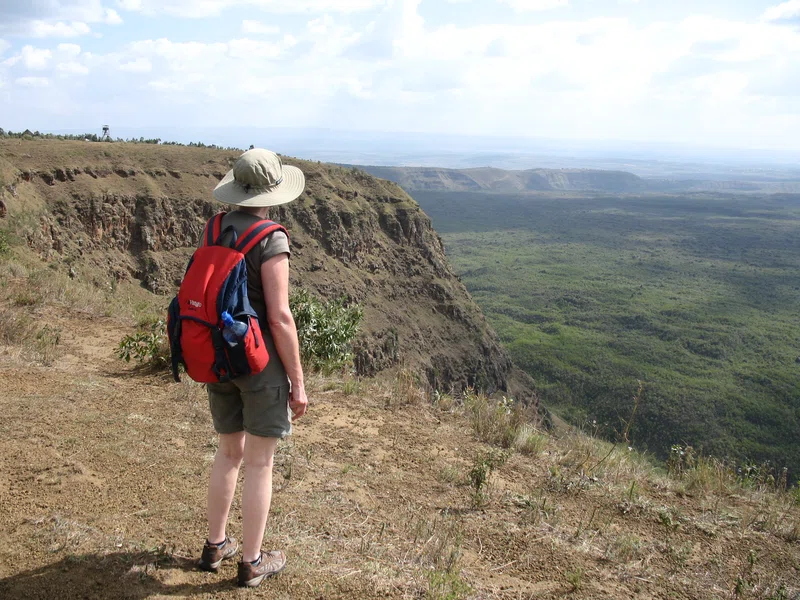
Menengai Crater
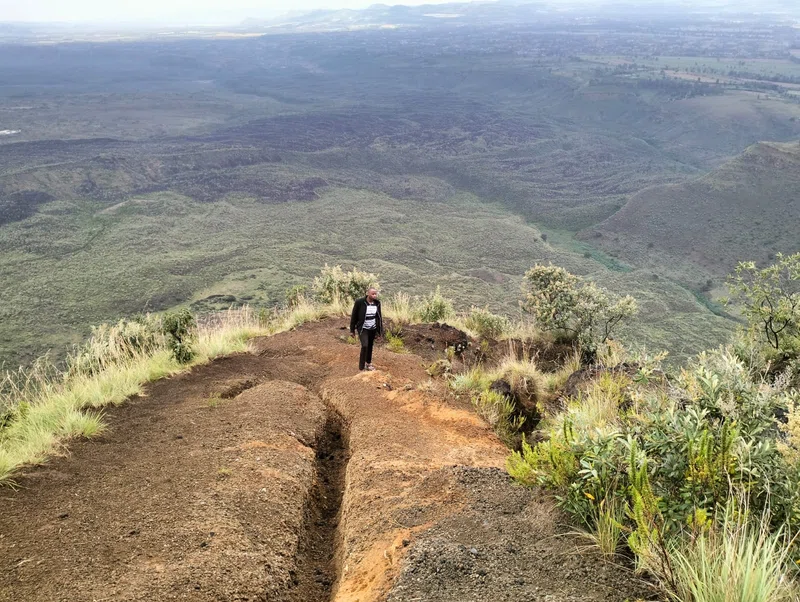
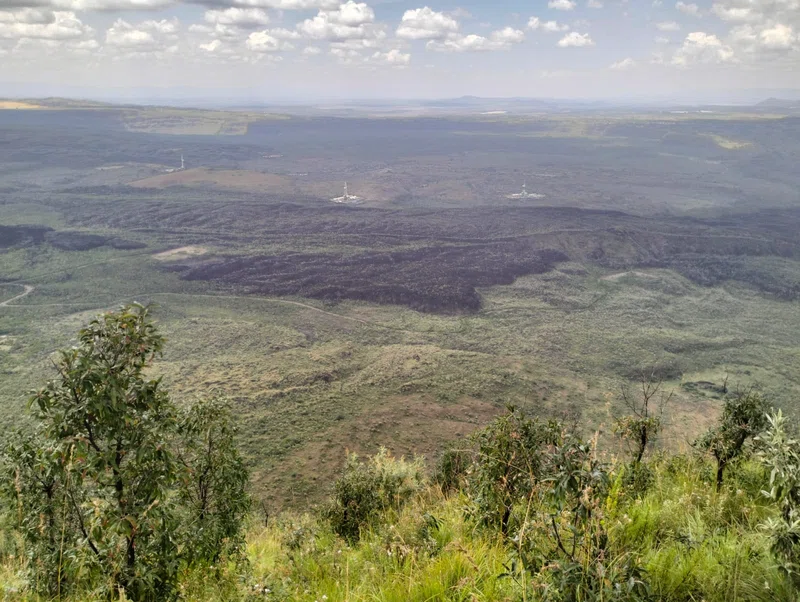
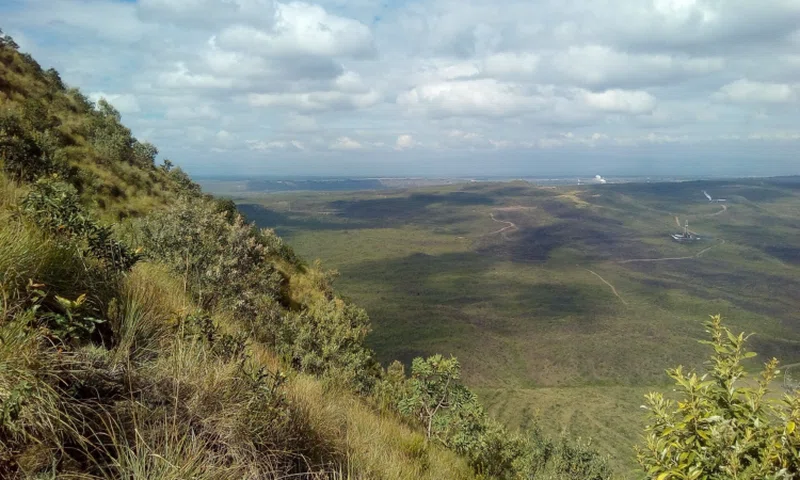
Menengai Crater is a massive shield volcano located in Kenya's Great Rift Valley, approximately 10 kilometers north of Nakuru, the country's fourth-largest city, and a short drive from Lake Nakuru National Park. It stands as the largest volcano caldera in Kenya and the second largest in Africa, reaching an elevation of 2,278 meters (7,474 ft) above sea level. The prominent caldera, measuring about 12 kilometers in diameter, formed approximately 8,000 years ago following a massive collapse event, making it one of the best-preserved Krakatau-style calderas globally. The crater floor is characterized by numerous post-caldera lava flows, lava boulders, and inaccessible ridges, with its depths plunging over 480 to 500 meters. Although classified as a dormant volcano, with its last eruption occurring 8,000 to 10,000 years ago, geothermal activity persists, evidenced by active steam vents (fumaroles) and underground heat sources. The area is a significant site for geothermal energy development in Kenya, with projects underway to harness its potential for clean electricity.The crater and its surroundings are protected by the Kenya Forest Service, featuring lush forests, flowering plants, and bushy grasslands. This diverse ecosystem supports various wildlife, including Kirk's dik-dik, slender mongoose, black-faced vervet monkeys, tree hyrax, and mountain reedbuck. Birdwatchers can spot species like the Verreaux eagle, Abyssinian ground hornbill, and African Marsh Harrier. Menengai Crater offers a range of activities for visitors, such as hiking from the rim to the crater floor, exploring nature trails, and visiting lava-formed caves. The rim provides breathtaking panoramic views of Lake Nakuru, Lake Bogoria, and parts of Nakuru County, making it an ideal spot for photography, especially during sunrise and sunset. Other activities include picnicking, camping, mountain biking, and birding. The caves within the crater are also significant as sites for spiritual retreats, used by Christian groups for prayer and fasting.Menengai Crater is deeply steeped in history, myth, and cultural significance. It was a battleground for fierce inter-clan warfare among the Maasai in the 19th century, notably where the Ilaikipiak Moran Maasai were defeated by the Ilpurko Maasai. Oral traditions recount that the defeated warriors were thrown into the crater, leading to the name "Menengai," which is believed to derive from the Maa word for 'the dead,' referring to the spirits said to linger within the crater's mists and fumaroles. Beyond its historical conflicts, the crater is considered a highly spiritual place, attracting pilgrims seeking divine connection. Conversely, it also holds a reputation for being haunted, with local folklore describing disappearances, strange phenomena like spirit beings cultivating land, a flying umbrella, and even sightings of the devil on Kirima Kia Ngoma, or "The Devil's Hill." Additionally, the Mau Mau cave, located west of the crater, served as a hiding place for guerrillas during the Mau Mau conflict against British colonial forces.
Quick Info
Own this place?
Claim it to manage photos, respond to visitors, and promote it to travelers.
Claim this listing →






2 Days Lake Bogoria & Lake Nakuru Safari
0.0 km away
2 Days Lake Nakuru Safari from Kisumu
0.0 km away
4 Days Masai Mara – Lake Nakuru Lodge Safari
0.0 km away
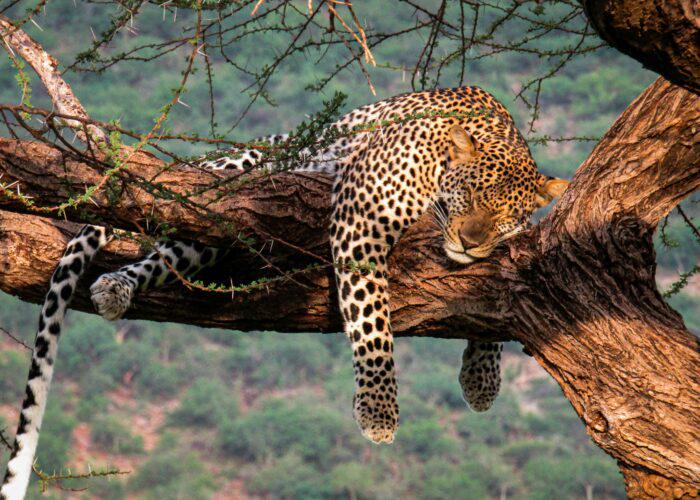
4 Days Holiday Safari: Masai Mara, Lake Nakuru
0.0 km away
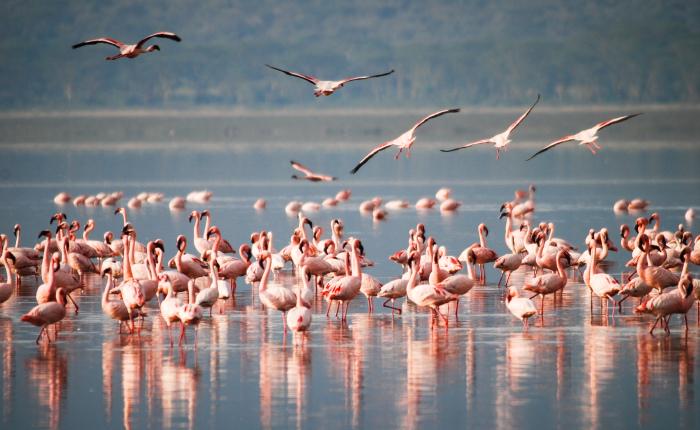
Lake Nakuru Day Trip
0.0 km away
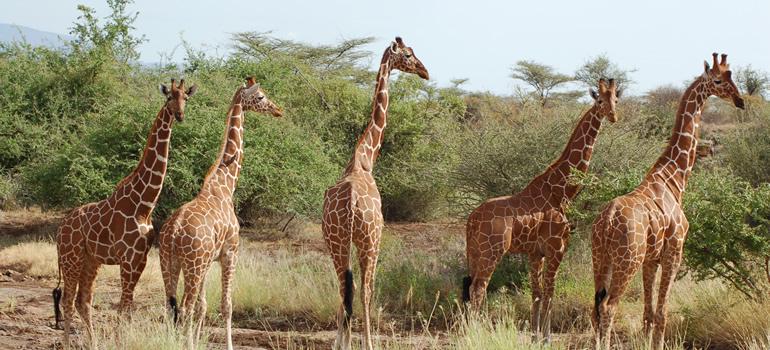
4 Days Samburu & Lake Nakuru Camping Safari
0.0 km away
Weather & Rainfall Patterns
Station: 2n359e · 23.1 km away · 1523m