
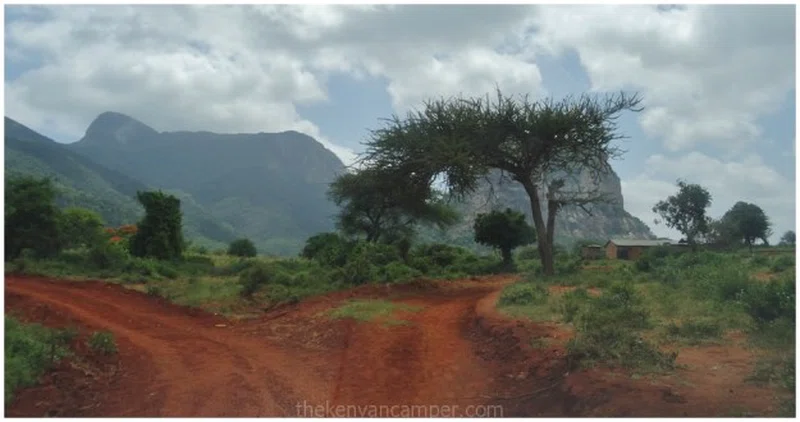
Mount Kasigau
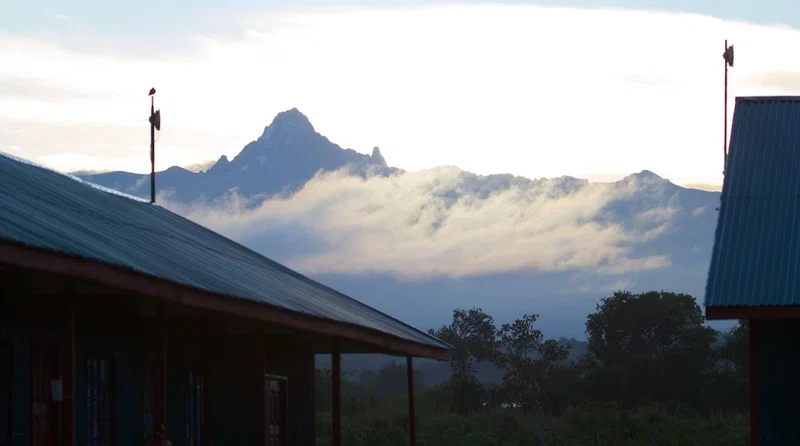
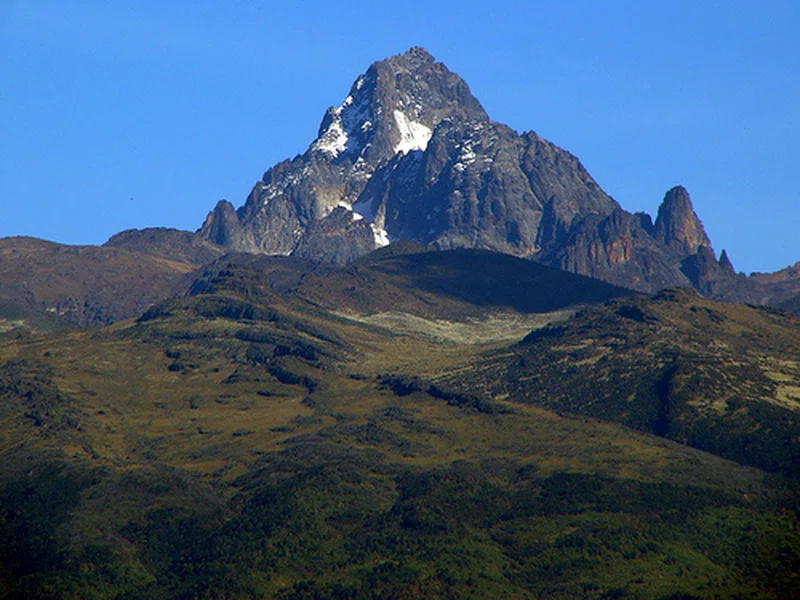
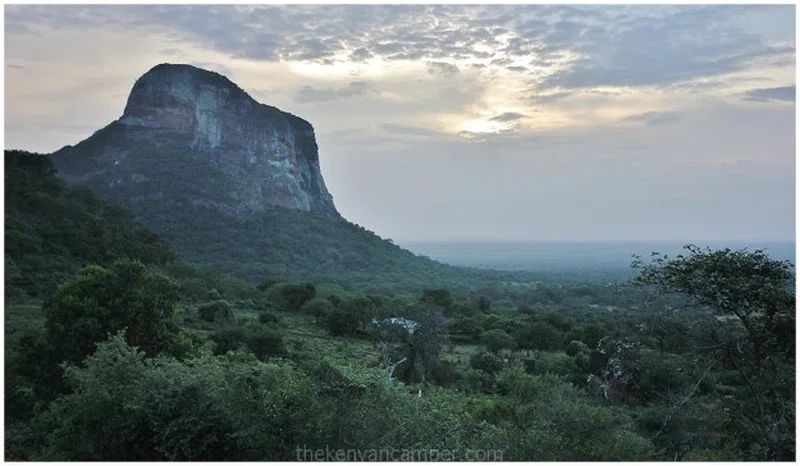
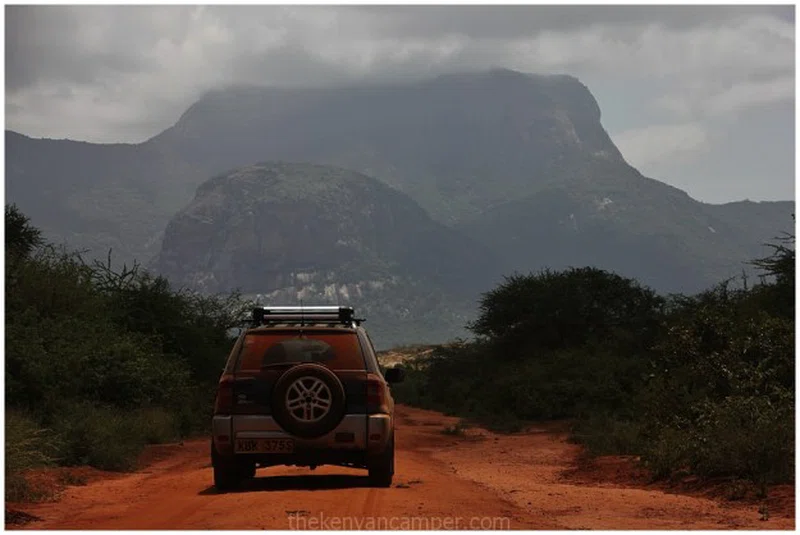
Mount Kasigau (3˚49' S, 38˚40'E) is a prominent inselberg located in Southeastern Kenya, rising abruptly from the semi-arid Acacia-Commiphora bushland. It is the most northeastern mountain in the ancient crystalline Eastern Arc Mountains, which are recognized as part of the Eastern Afromontane Biodiversity Hotspot. The main peak, Nyangala, reaches an altitude of about 1640 meters (1641 MASL), exposing very old and resistant granitoid gneiss, which also forms vertical cliffs. The study area encompasses approximately 1804 km², including montane forests on the mountain, settlements and utilization areas in the Kasigau Trust Lands, and lowland bushland in bordering private lands. The Taita and Rukinga ranches to the east-northeast are managed as wildlife sanctuaries, while Kasigau ranch to the west is used as a cooperative grazing area.Mount Kasigau plays a crucial role in capturing moisture from the northeast (short rains, October-December) and southeast (long rains, March-May) monsoon winds originating from the Indian Ocean. Annual rainfall in the surrounding plains can vary significantly, from as low as 210 mm to as high as 800 mm. The Kasigau Taita, who are small-holder farmers, cultivate crops and raise livestock at the mountain's base, utilizing woody plants as an important extractive resource. Historically, prior to the mid-1950s, the Kasigau Taita lived on the mountain at various elevations. The mountain is also a source of water for residents of Kiteghe, Jora, Rukanga, and other neighboring communities, with water collected and directed to five villages and excess water collected in Mshiri Dam.The mountain is noted for its high species richness and concentration of endemic species, although its forests are highly fragmented. It is a biodiversity hotspot and an important headwater for streams. The indigenous forest covering Mount Kasigau is described as an amazing and mysterious remnant of forests that have been largely cleared elsewhere. It is incredibly diverse, featuring endemic orchids and impatiens flowers. The mountain is home to at least one of Taita Taveta's endemic birds, the Taita White-eye, and has no less than 135 recorded bird species. While some mammalian species like dwarf galagos and tree hyraxes may have been affected by past dry periods, greater galagos and rock hyraxes are present, and there are reports of a group of red colobus monkeys. During World War I, German and British troops fought on Mount Kasigau, and a memorial place exists near Jora village. The mountain is also considered sacred by some religious groups, who use small caves for fasting and prayers. Activities include hiking, with paths leading to the indigenous montane forest, and rock climbing at Python Rock.
Quick Info
Own this place?
Claim it to manage photos, respond to visitors, and promote it to travelers.
Claim this listing →






2 Days Tsavo East National Park Luxury Safari
0.0 km away

3 Days, 2 Nights Tsavo Safari Christmas Package
0.0 km away

4 Days Safari - Tsavo West, Amboseli, and Tsavo East
0.0 km away
Experience The Thrilling Tsavo East & West National Park Safari
0.0 km away
3 Days Safari to Taita Hills or Taita Salt Lick Lodge via SGR
0.0 km away
5 Days 4 Nights Kenya Safari
0.0 km away
Weather & Rainfall Patterns
Station: 39s384e · 26.4 km away · 654m