
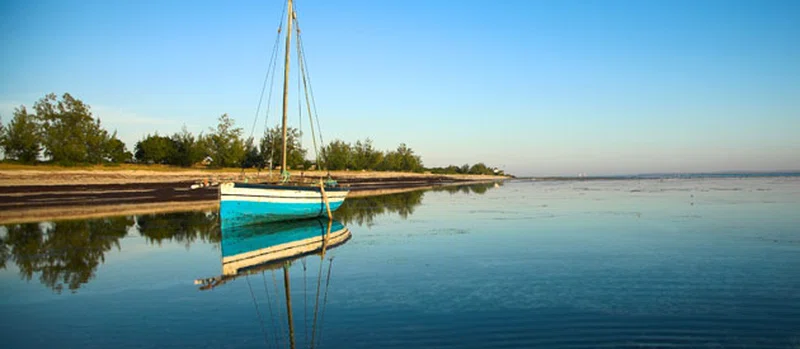
Inhaca Island
Inhaca Island, also known as Kanyaka Island, is a subtropical island situated off the East African coast of Mozambique. It serves as a natural barrier, separating Maputo Bay to its west from the Indian Ocean to its east. The island measures approximately 12 kilometers from north to south and 7 kilometers from east to west, encompassing an area of 52 square kilometers. Administratively, Inhaca Island is a municipal district of Maputo. Its diverse landscape features an irregular coastline, with the highest elevation being the 104-meter Mount Inhaca on the north-eastern shore. The terrain includes forested dunes, cultivated fields, grassy plains, and extensive mudflats that become exposed along the western and southern shores during low tide. Mangrove forests thrive along the northern shores and in the southern Saco Bay, complemented by two inland swamps.
The island is a significant hub for ecotourism and ecological research, renowned for its rich biodiversity. Its surrounding marine environment supports approximately 160 coral species, including staghorn and plate corals, and a wide array of fish such as king mackerel, barracuda, and giant trevally. Larger marine inhabitants include whale sharks and manta rays, which visit in the summer, and humpback whales that migrate seasonally. Resident populations of Indo-Pacific humpbacked and Indian Ocean bottlenose dolphins are also found here. Furthermore, the critically endangered dugong maintains a small presence, and loggerhead and leatherback sea turtles utilize the eastern shores for breeding during the summer months. Terrestrially, Inhaca is home to about 300 bird species, both resident and migratory, with notable species like the pink-backed pelican and mangrove kingfisher.
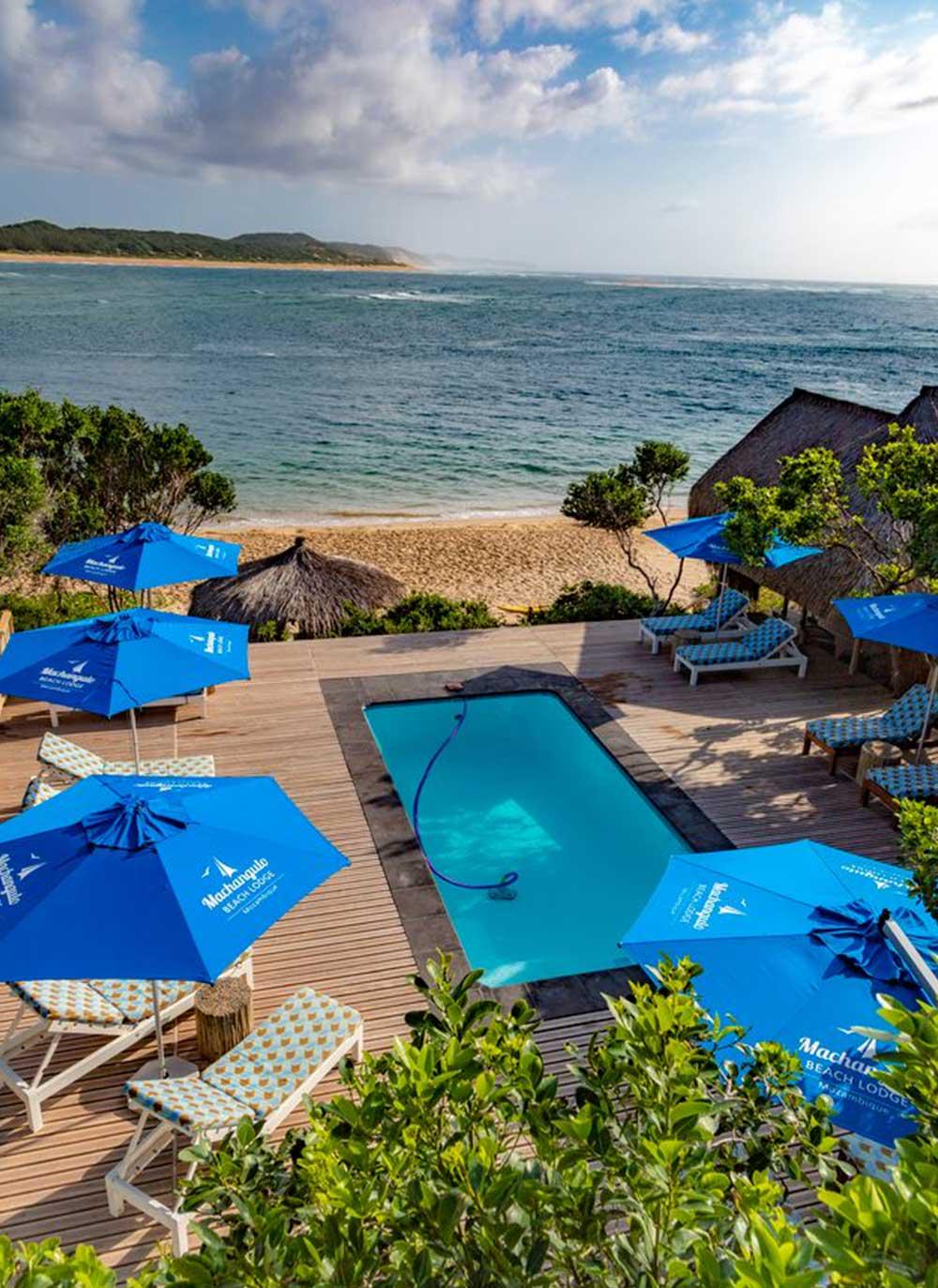
Historically, Inhaca Island was part of Portuguese Mozambique until 1975, having been under British occupation from 1823 to 1875, primarily to control slave traffic. The island's economy traditionally relied heavily on fishing, though declining fish stocks have led to initiatives in sustainable Perna mussel aquaculture. Tourism also contributes to the local economy, with various lodges established along the northwestern coastline. The main settlement, also named Inhaca, is located near the island's airport.
Quick Info
Own this place?
Claim it to update its details and photos, add what you offer, reply to travellers and promote it on Wapota. It’s free.
Claim this listing →






Weather & Rainfall Patterns
Station: 258s328e · 5.2 km away · -9999m