
Mossuril
Mossuril District is situated in Mozambique's Nampula Province, nestled within the expansive Mossuril Bay, where the Indian Ocean meets the coastline. It shares borders with Nacala-a-Velha and Nacala Porto to the north, Monapo to the west, Mogincual to the south and southwest, and the Indian Ocean and Ilha de Moçambique to the east. The district covers an area of approximately 3,343 km² and, as of the 2017 census, was home to 174,641 residents. It is located about 43 kilometers from the UNESCO World Heritage site of Ilha de Moçambique, making it a historically significant coastal region.
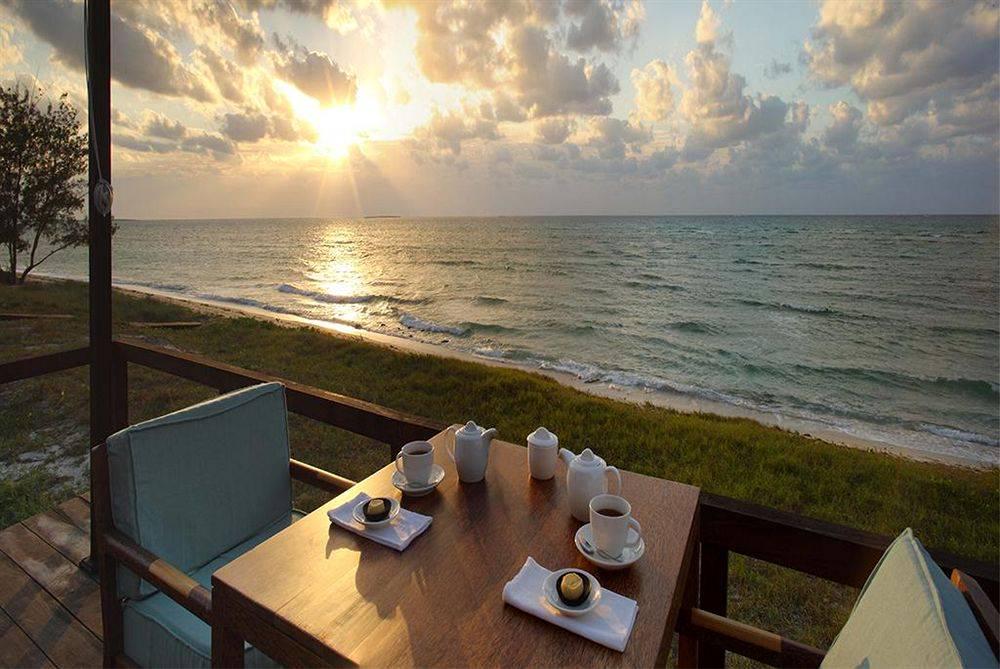
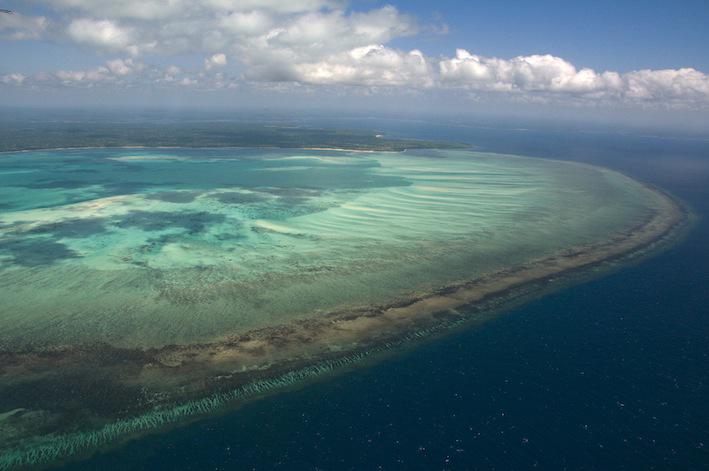
The natural landscape of Mossuril is characterized by pristine white sands and lush mangrove forests, contributing to an ecosystem rich in marine biodiversity. The crystal-clear waters of the bay teem with over 1,500 species of fish and more than 200 types of coral. Mangrove forests, vital for the region's ecological balance, serve as natural nurseries for numerous marine species. The beaches of Chocas Mar, particularly, offer kilometers of wild beauty, featuring white sand dunes and extensive mangrove areas. During low tide, visitors can walk up to 600 meters into the sea, exploring tidal pools abundant with marine life. From June to November, the bay becomes a natural spectacle as fin whales and southern right whales migrate to these protected waters for mating and calving, offering impressive displays of breaching.
Mossuril holds deep historical and cultural significance, having served as a crucial crossroads of Swahili civilization and a key point on ancient trade routes connecting East Africa with Arabia, India, and Europe for over five centuries. The predominantly Makua community has preserved its traditions, influenced by Arab, Portuguese, and Indian cultures. Notable historical sites include the Rampa dos Escravos (Slave Ramp) in Mossuril, a poignant reminder of its role in the Atlantic slave trade. The Cabaceira peninsula is home to the Church of Nossa Senhora dos Remédios, erected in 1579, which stands as one of the oldest European religious structures in the Southern Hemisphere. The district also hosts the annual End of the Road Festival, celebrating film and literature every August. Local culture is vibrant, expressed through traditional dhow fishing, the distinctive mussiro facial masks worn by Makua women, and the rhythmic Tufo music and dance. The local cuisine, a fusion of African, Arab, and Portuguese influences, prominently features fresh fish and seafood, often prepared with coconut milk and piri-piri.
Quick Info
Own this place?
Claim it to update its details and photos, add what you offer, reply to travellers and promote it on Wapota. It’s free.
Claim this listing →



Weather & Rainfall Patterns
Station: 148s403e · 17.7 km away · 142m