
Attraction in Namibia
Tintenpalast
About Tintenpalast
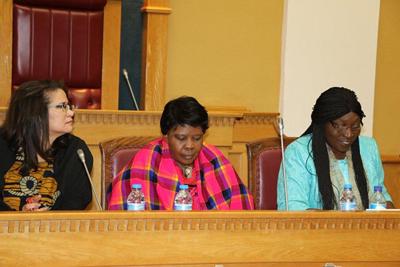
Tintenpalast, also known as the Parliament Building, Windhoek, is a historically significant government structure located in Namibia's capital city. Situated just north of Robert Mugabe Avenue, it serves as the official seat for both the National Council and the National Assembly, which constitute the Parliament of Namibia. The name "Tintenpalast" translates from German to "Ink Palace," a reference to the extensive use of ink by administrators during its early years.
Construction of the building began in 1912 and was completed by April 12, 1913. Designed by German architect Gottlieb Redecker and built by the company Sander & Kock, it originally functioned as an administration building for the German colonial government. The construction notably involved forced labor from the Herero and Nama people. Following Namibia's independence in 1990, Tintenpalast transitioned to become the seat of the National Assembly, symbolizing the nation's democratic governance and its journey towards self-determination.
The architecture of Tintenpalast features a Neoclassical front façade, blending colonial influences with the country's cultural heritage. The building is surrounded by the Parliament Gardens, a popular green space for the residents of Windhoek. These gardens. While interior access may be limited, the exterior and its serene gardens offer visitors a chance to appreciate its architectural beauty and historical significance.
Things to see
Close by

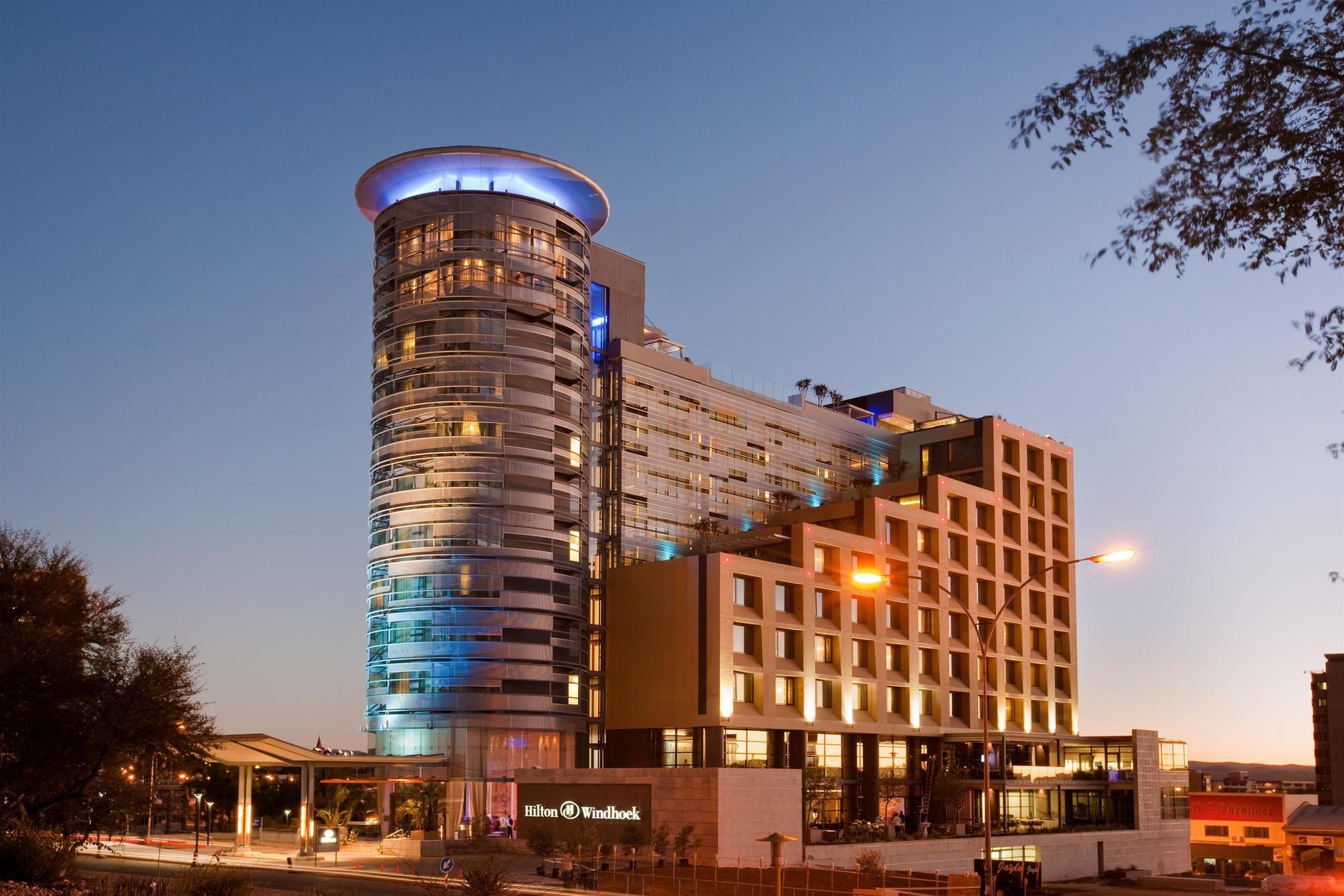
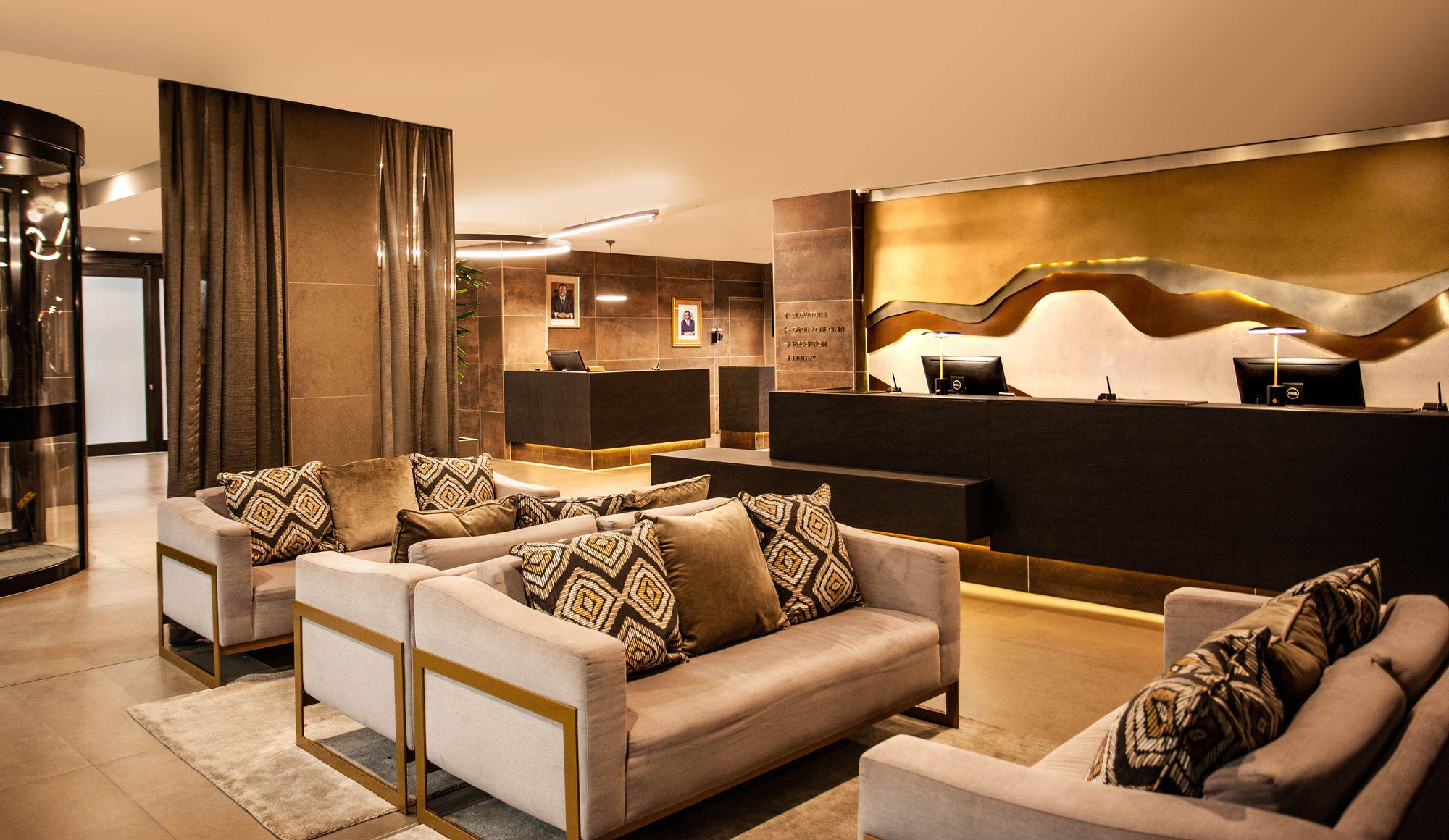
Where to stay

Where to eat






Things to do

Daan Viljoen Game Park Guided Hike
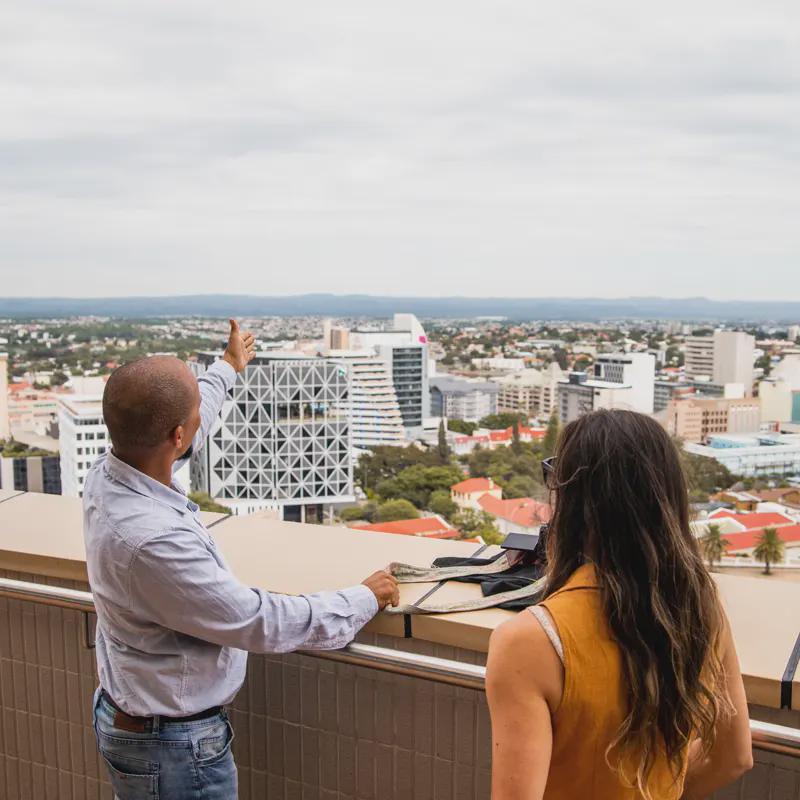
Windhoek City Tour

Scenic Game Drive near Windhoek
10 Day Namibia Etosha & Himba Culture

19 Days Namibia Botswana Self Drive Safari
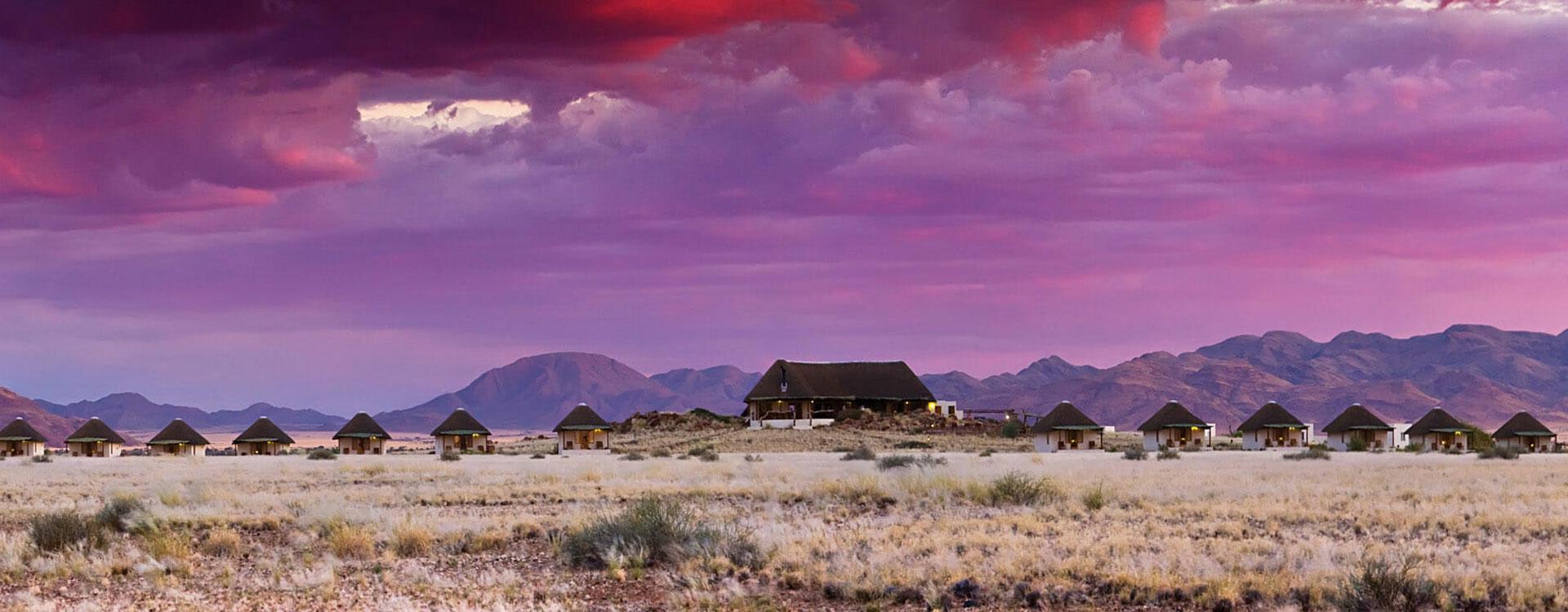
10 Day Namibia Highlights Safari
Weather through the year
Average temperatures and rainfall by month
Station: 223s169e · 11.9 km away · 1586m