
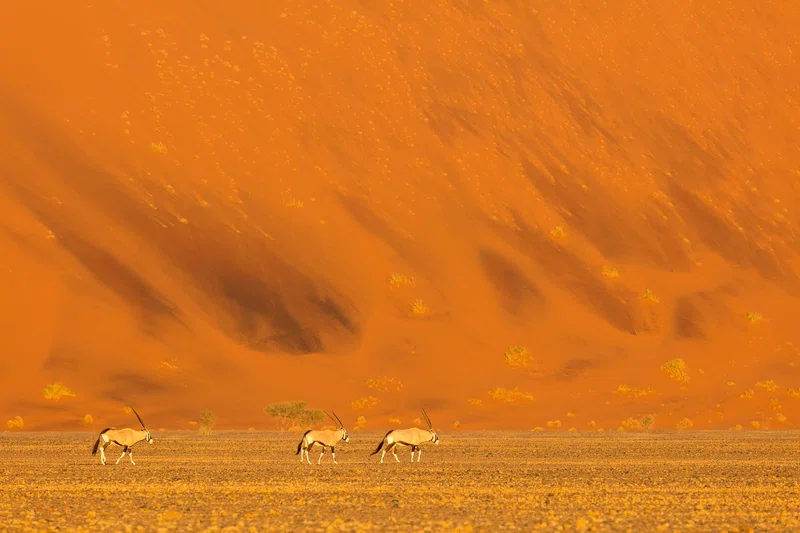
Namib-Naukluft National Park
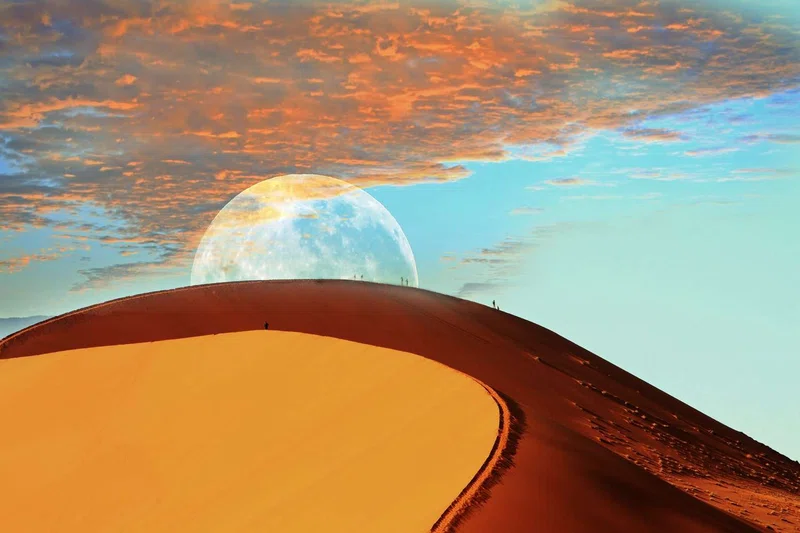
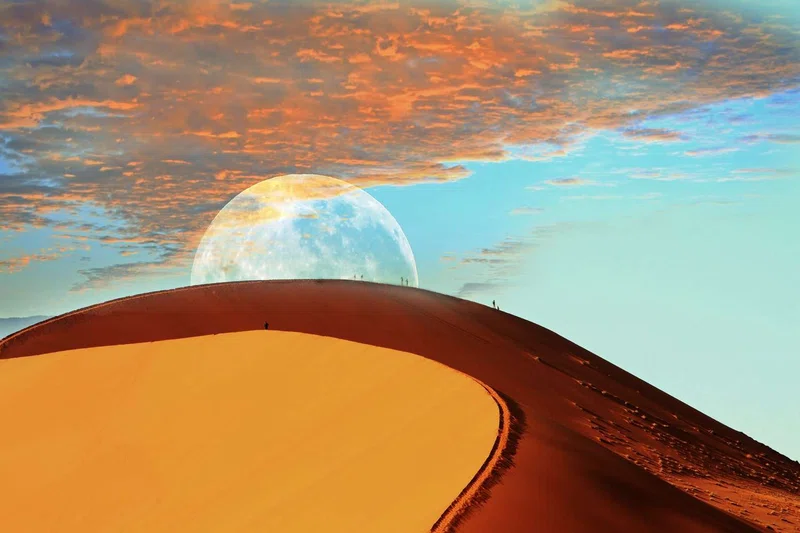
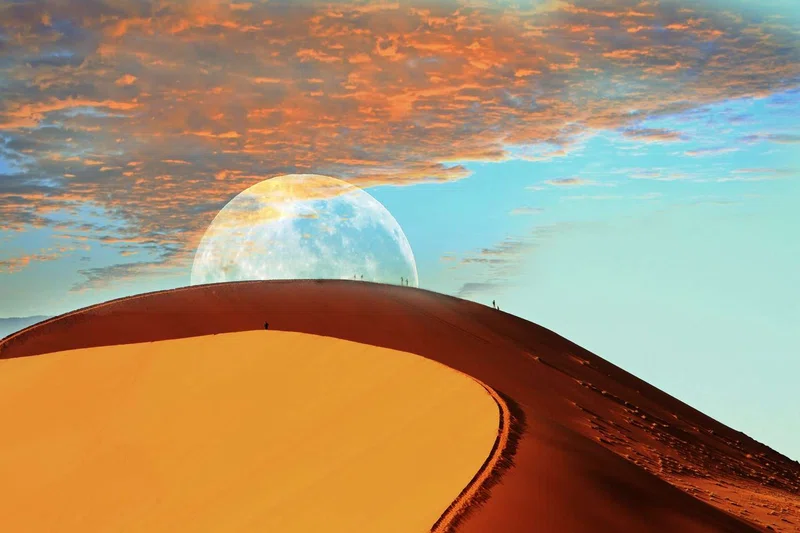
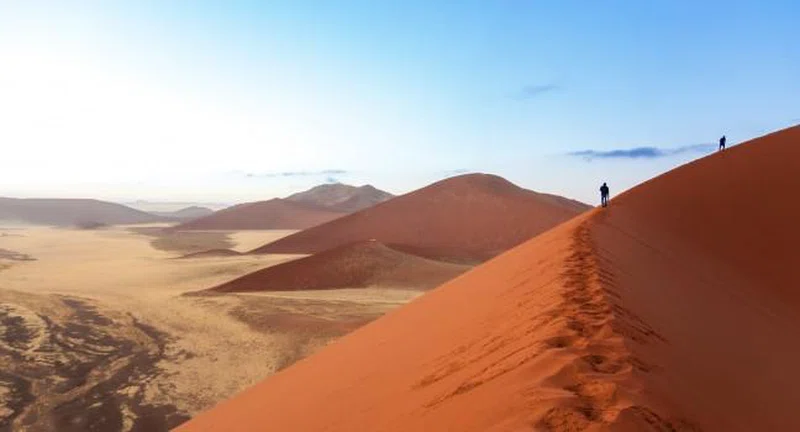
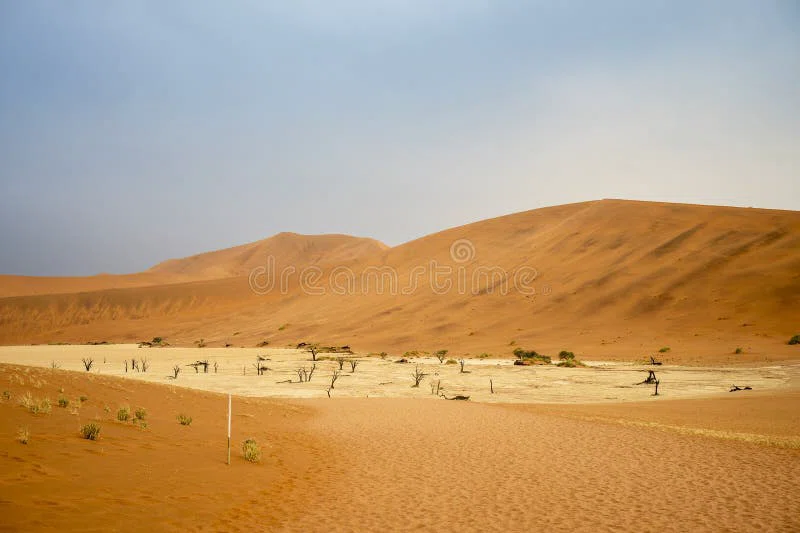
Namib-Naukluft National Park is located in western Namibia, situated between the Atlantic Ocean coast and the edge of the Great Escarpment. Covering an area of approximately 49,768 square kilometers (19,216 square miles), it is one of the largest nature conservation areas in Africa. The park encompasses diverse hyper-arid and semi-arid terrain, including the red and orange sand dunes of the Namib Desert, the rugged Naukluft mountain range, gravel plains, inselbergs, and coastal lagoons like Sandwich Harbour. Ephemeral rivers such as the Tsauchab cut through the dry terrain, creating features like Sesriem Canyon, a 30-meter-deep gorge. The desert ecosystem relies on coastal fogs generated off the Atlantic Ocean, which provide essential moisture for wildlife and plant survival.Despite the extreme climate, the park sustains a varied wildlife population adapted to desert conditions. Mammals found in the park include gemsbok (oryx), endemic Hartmann's mountain zebras, springbok, giraffes, leopards, brown hyenas, caracals, and reintroduced black rhinoceroses. The reserve supports 348 recorded bird species, including the Dune Lark, Lappet-faced Vulture, Ludwig's Bustard, and coastal colonies of flamingos and sea birds. Notable flora includes the ancient Welwitschia mirabilis, camel-thorn trees (Acacia erioloba), shepherd's trees, and desert lichens. At Dead Vlei, clay pans feature preserved skeletons of camel-thorn trees carbon-dated to between 500 and 600 years old.Human history in the area dates back over 200,000 years, evidenced by Stone Age artifacts found near the Kuiseb River. Indigenous semi-nomadic groups historically inhabited the region, and the Topnaar people continue to reside along the Kuiseb River within park boundaries. Protection of the area began in 1907 under German colonial administration as Game Reserve No. 3. Over subsequent decades, the sanctuary expanded through the addition of Sandwich Harbour, the purchase of commercial farms in the Naukluft Mountains, coastal marine reserves, and former diamond mining zones, culminating in the proclamation of Namib-Naukluft Park in 1979. The park also houses the Gobabeb Training and Research Centre, a long-established ecological research station on the Kuiseb River.
Quick Info
Own this place?
Claim it to manage photos, respond to visitors, and promote it to travelers.
Claim this listing →Safari Tours
10 tours departing from this area
 luxury19 days
 luxury6 days
 luxury8 days
 luxury8 days
luxury
8-Day Private Guided Tour Sossusvlei Damaraland Etosha
$7,607
 Blue Iris Trade and Invest (PTY) Ltd trading as Discover Africa Safaris
 luxury10 days
luxury
10-Day Namibia Luxury Guided Experience
$5,163
Crisscross Namibia Safaris Cc trading as CrissCross Namibia Safaris luxury13 days
luxury
13-Day Namibia Mid Range Selfdrive Tour
$4,846
Crisscross Namibia Safaris Cc trading as CrissCross Namibia Safarisluxury
3-Day Sossusvlei Desert Safari (Lodging)
$1,485
Sawoto World Safaris and Tours Pty Ltd trading as Sawoto World Safaris luxury9 days
 luxury8 days
luxury
8-Day Select Namibia Desert, Wildlife & Coast Explorer
$3,718
Onaluru Safari and Tours (PTY) LTD trading as Onaluru Safari and Tours


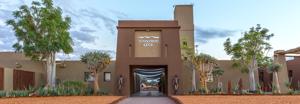
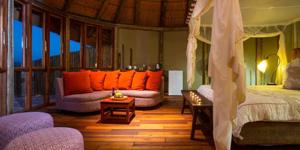
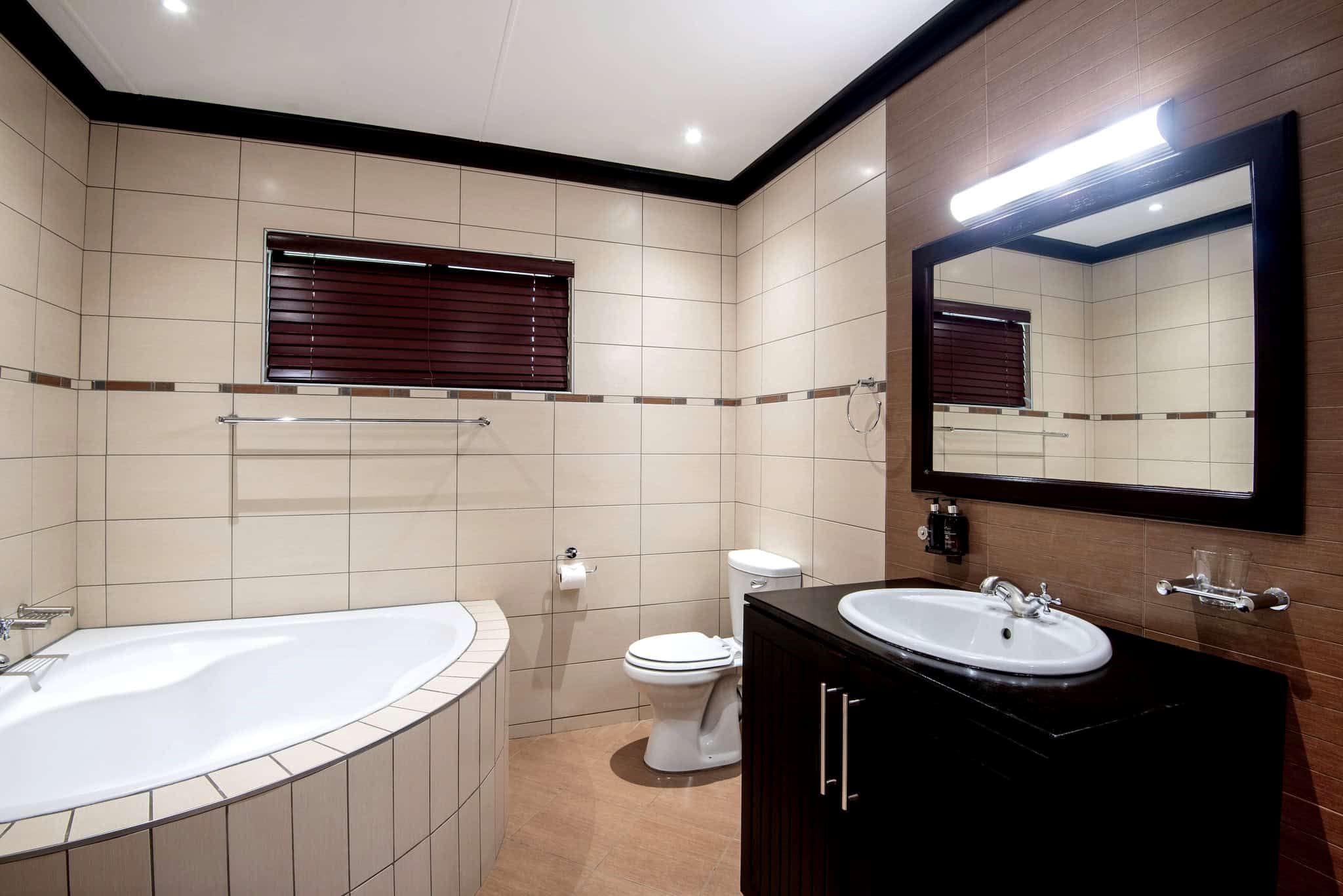
12 Day Explore the Best of Namibia Safari
0.0 km away
2-Day Sossusvlei & Deadvlei Safari Tour – Explore
0.1 km away
Big Daddy Dune
0.1 km away
Weather & Rainfall Patterns
Station: 245s153e · 21.8 km away · 649m