
Kunene Region
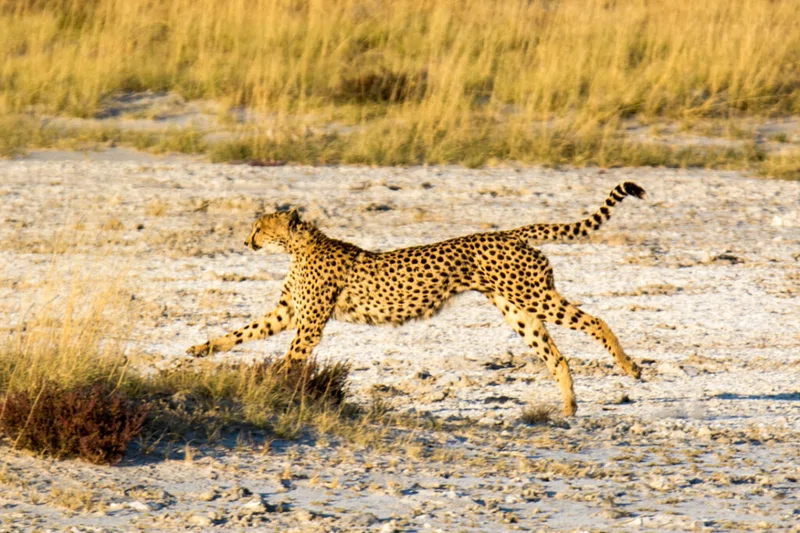
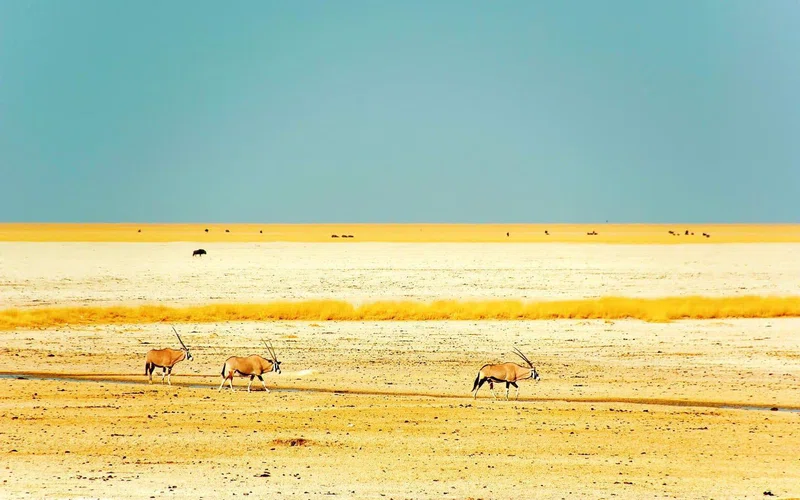
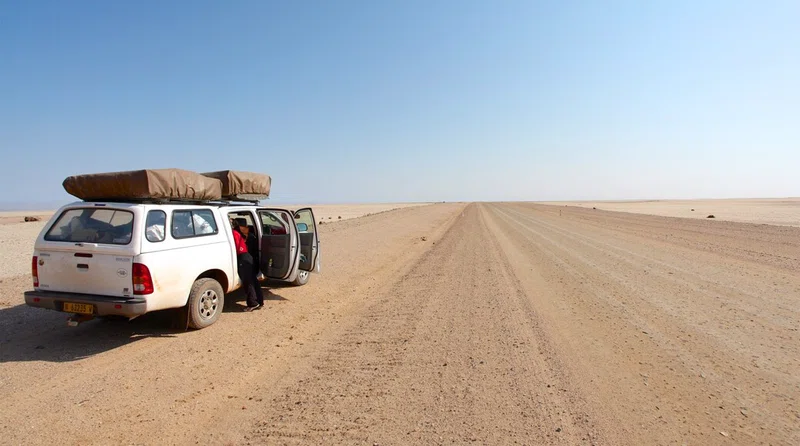
The Kunene Region, located in the remote northwestern corner of Namibia, is a vast and sparsely populated area known for its dramatic desert landscapes, unique desert-adapted wildlife, and rich cultural heritage. Covering approximately 115,260 square kilometers (44,500 sq mi), it borders Angola to the north via the Kunene River, which is a defining feature of the region and home to the impressive Epupa Falls. The region's western edge meets the Atlantic Ocean, forming part of the iconic Skeleton Coast. Its terrain is characterized by extensive desertscapes, rugged mountains, rocky plains, and ephemeral riverbeds, with areas like the Marienfluss Conservancy featuring dunes and grassy fields, and the Palmwag Concession offering rolling hills. The extreme dryness and heat, combined with its inaccessible geography, contribute to its relatively underdeveloped status.Despite the harsh conditions, Kunene supports a surprising wealth of desert-adapted wildlife, including some of the last free-roaming populations in southern Africa. Notable species include desert-adapted elephants with broader feet, giraffes that derive water from acacia leaves, Gemsbok antelope that never need to drink, and elusive desert lions. The region also boasts the largest population of free-ranging black rhinos, particularly in the Palmwag Concession. Along the coast, thousands of Cape fur seals thrive on rich Atlantic fish stocks. Birdlife is abundant, with around 379 bird species recorded, alongside approximately 32 mammal species.Culturally, Kunene is home to the Himba, Damara, and Herero people, with the Himba being a semi-nomadic tribe known for their distinctive customs. Many conservancies and nature reserves in the region are managed by local communities, offering unique cultural interaction opportunities. Historical and geological sites abound, such as Twyfelfontein in Damaraland, a UNESCO World Heritage site featuring ancient San rock engravings, including the famous White Lady painting at Brandberg. Other geological wonders include the Organ Pipes, Burnt Mountain, and the Petrified Forest, which contains 280-million-year-old fossilized tree trunks. Activities for visitors include nature drives, guided quad biking, walking safaris, boat safaris on the Kunene River, and conservation experiences. The capital of the region is Opuwo.
Quick Info
Own this place?
Claim it to manage photos, respond to visitors, and promote it to travelers.
Claim this listing →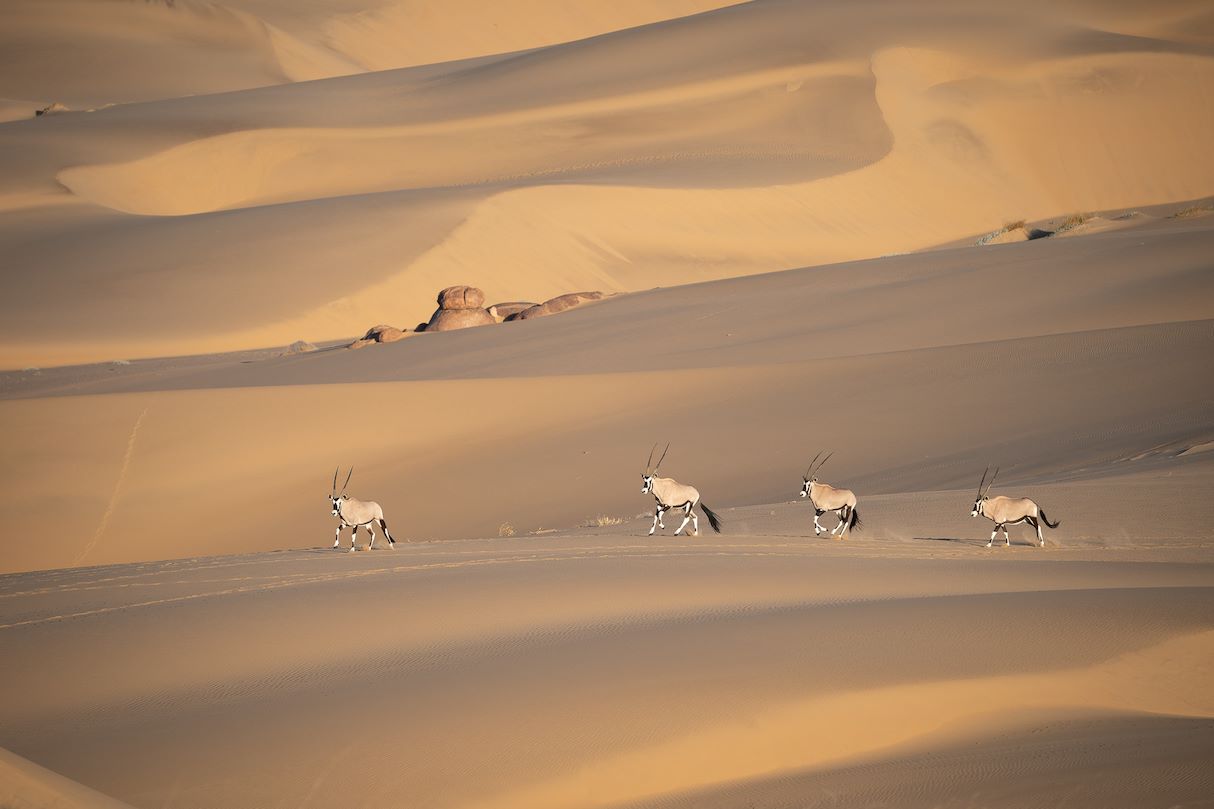



Weather & Rainfall Patterns
Station: 195s138e · 13.6 km away · 1113m