

Kubu Island
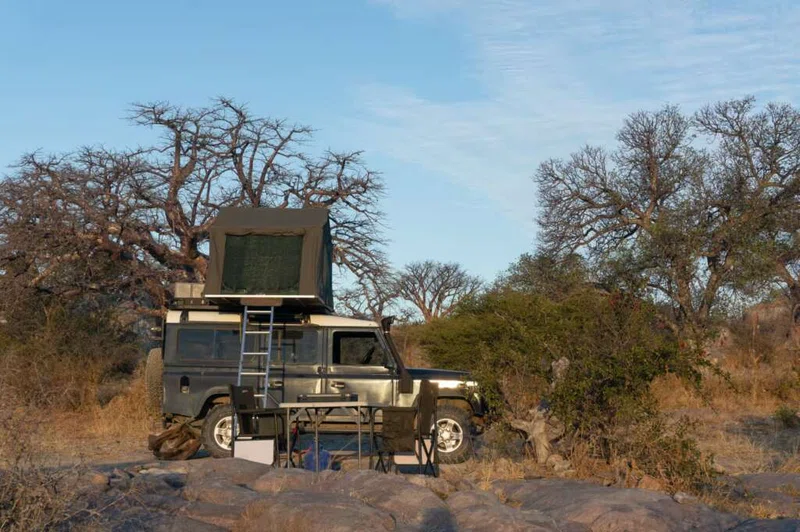
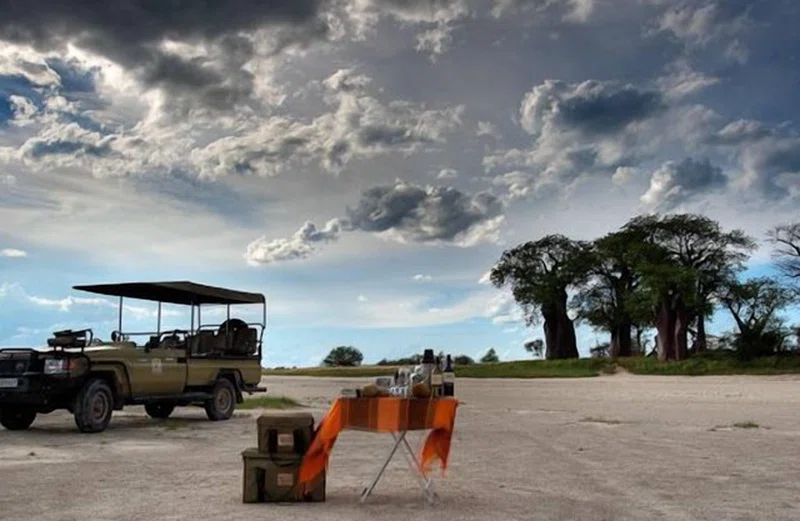
Kubu Island, also known as Lekhubu or Ga'nnyo by the local Khoe people, is a unique and ancient granite rock outcrop situated in the vast Makgadikgadi Pan area of Botswana. This national monument, roughly a kilometer long and 10 meters high, is a striking geological anomaly in an otherwise flat landscape, estimated to be between 2.7 billion and 2 billion years old. It is located a few kilometers from the mining towns of Orapa and Letlhakane and is accessible by 4x4 vehicles, particularly during the dry season from May to October, as tracks become impassable when wet. The island's crescent shape is adorned with ancient, gnarled baobab trees, some over 2,000 years old, and its slopes are terraced with fossil beaches of wave-rounded pebbles, providing evidence of the prehistoric Lake Makgadikgadi, which once covered an area the size of Switzerland. Many of the rocks are white, covered in fossilized guano from waterbirds that perched here millennia ago when the island was surrounded by water.The island holds significant archaeological and cultural heritage. Stone Age tools and arrowheads litter the shoreline, indicating human habitation for millennia, with some tools predating Homo sapiens. Concentric dry stone walls, up to 1.25 meters high, and 344 circular stone cairns remain from a village that may have existed around AD 1400-1600. Archaeologists link these structures to the Great Zimbabwean empire, suggesting Kubu Island might have been its southwestern tip or a remote initiation center for males, where each graduating class built a cairn. The local communities, particularly the people of Tshwagong village and the Basarwa, consider Kubu Island a sacred site, visiting to make contact with God, sing for rain, and leave offerings.Kubu Island offers a remote and magical wilderness experience, renowned for its stunning sunsets, sunrises, and a seemingly endless sky of stars. Camping is the only accommodation option, with basic facilities including drop toilets, and visitors must be entirely self-sufficient with water, food, and fuel. Activities include hiking and exploring the unique rock formations and baobab trees, with panoramic views from the hilltops that rise 20 meters above the plains. While large dangerous animals are rare, visitors should be aware of snakes and occasional elephant dung. At certain times of the year, when water is present in the pans, up to 30,000 flamingos can be observed. Guided tours are available to provide insights into the island's geology, flora, fauna, and history.
Quick Info
Own this place?
Claim it to manage photos, respond to visitors, and promote it to travelers.
Claim this listing →

Weather & Rainfall Patterns
Station: 208s259e · 22.2 km away · 883m