





Kaapsehoop
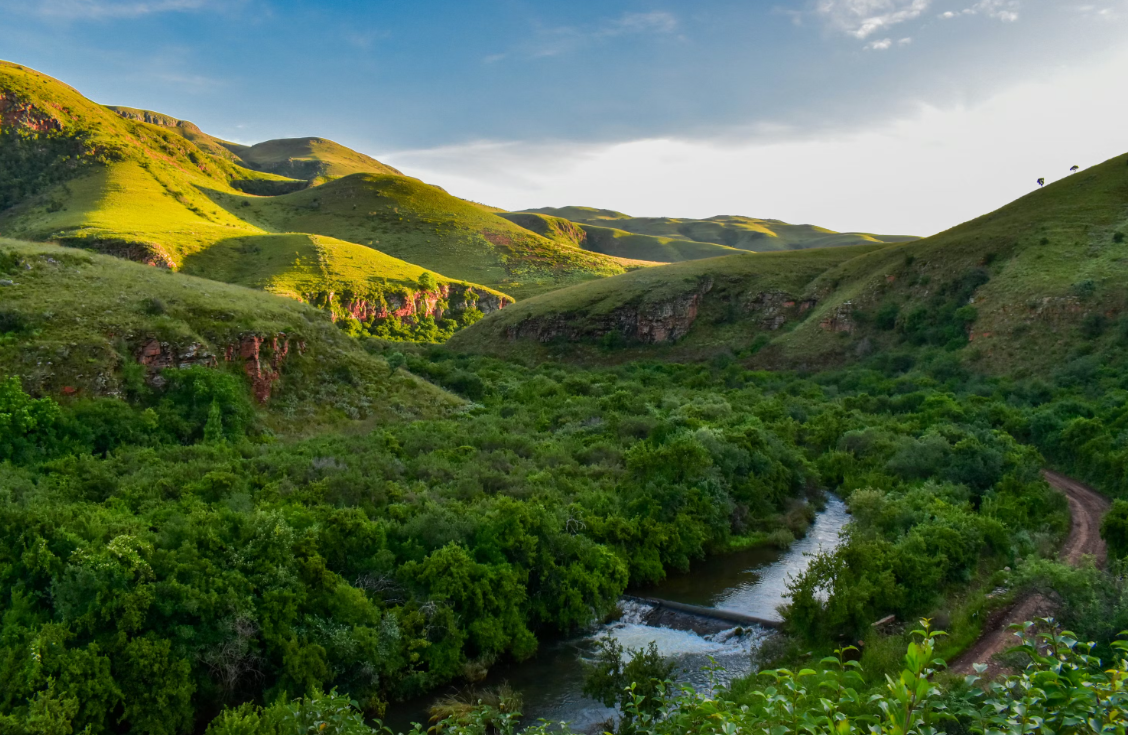
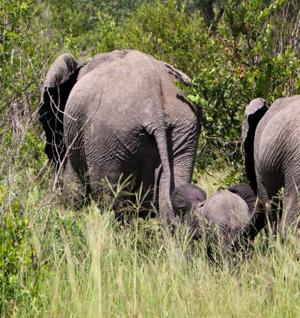
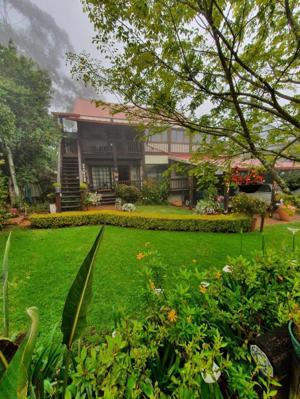
Kaapsehoop, also known by its original Dutch spelling Kaapschehoop, is a picturesque mountain village nestled on the Drakensberg Highveld escarpment in South Africa's Mpumalanga province. Situated at an altitude of approximately 1486m to 1640m (4878-5380 ft) above sea level, it lies about 25-35 km from Mbombela (Nelspruit), the provincial capital. The village overlooks the lush De Kaap Valley, some 800 meters below, offering expansive views that can stretch towards Barberton, Mbombela, White River, and Eswatini when the frequent mist clears. The name, meaning "Cape Hope," was derived from the gold discoveries in 1882, which brought hope of wealth to the early inhabitants of the valley.Historically, Kaapsehoop gained fame as a gold mining town in the late 19th century, originally known as "Duiwels Kantoor" or "Devil's Office," a name inspired by the peculiar sandstone rock formations that resemble monsters in the mist. The village experienced a decline after richer gold finds elsewhere but has since been "re-discovered" as a popular weekend retreat. Today, it is characterized by its period housing, vibrant arts and crafts shops, confectionaries, restaurants, and pubs. The surrounding area is a sensitive conservation zone, known for its unique rock field formations composed of quartzites of the Black Reef Formation.The natural environment of Kaapsehoop is a major draw, featuring golden grasslands, wildflowers, pine plantations, flowing streams, and waterfalls. It is a birder's paradise, notably home to the rare and internationally endangered Blue Swallow, and supports over 200 bird species in its diverse wetlands, mountains, woodlands, and forests. The village is also famous for its wild horses, believed to be descendants of mining ponies abandoned after the South African War. Other wildlife includes jackals, bush pigs, porcupines, klipspringer, vervet monkeys, baboons, and even leopards. The area boasts impressive flora such as yellowwood trees, cycads, tree ferns, and aloes. Hiking is a prominent activity, with various multi-day trails offering routes through streams, forests, and along the escarpment. Nearby, Adam's Calendar, also known as the African Stonehenge, is a series of ancient circular monolithic stones believed to be the oldest man-made structure on Earth, dating back 75,000 years.
Quick Info
Own this place?
Claim it to manage photos, respond to visitors, and promote it to travelers.
Claim this listing →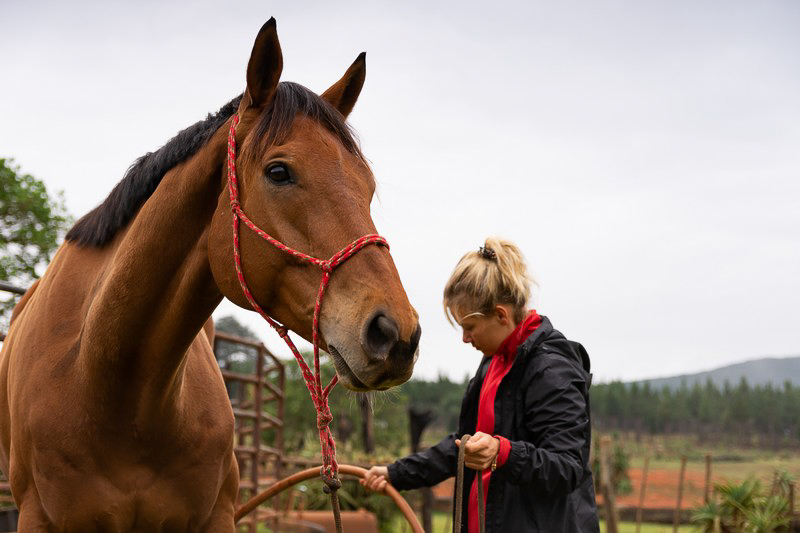











Sudwala Caves
0.0 km away
Barberton Heritage Walk
0.0 km away
Weather & Rainfall Patterns
Station: 254s309e · 25.6 km away · 645m