
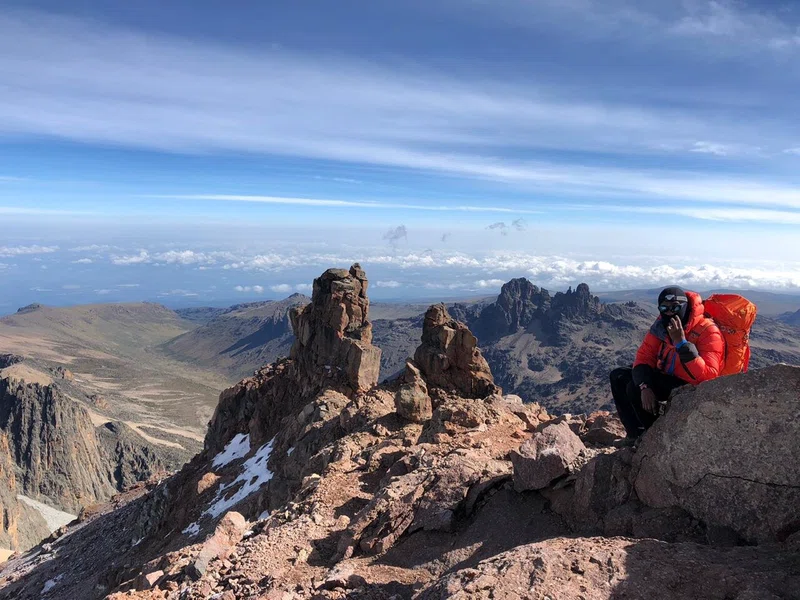
Point Lenana
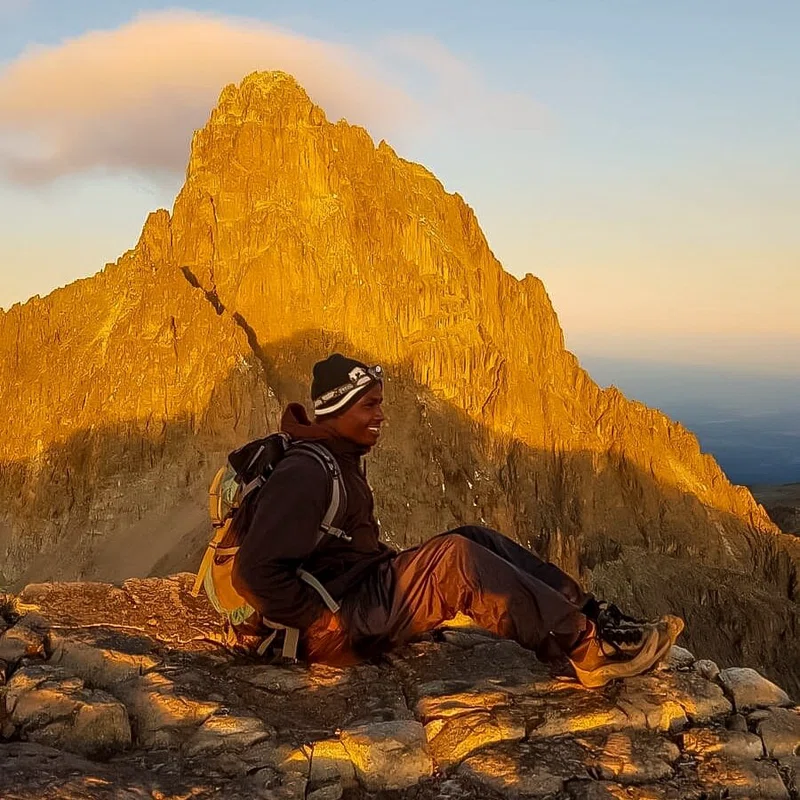
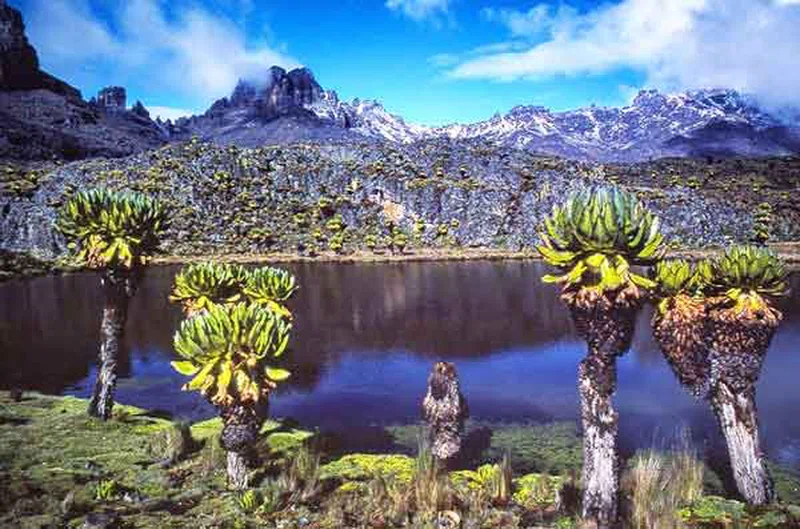
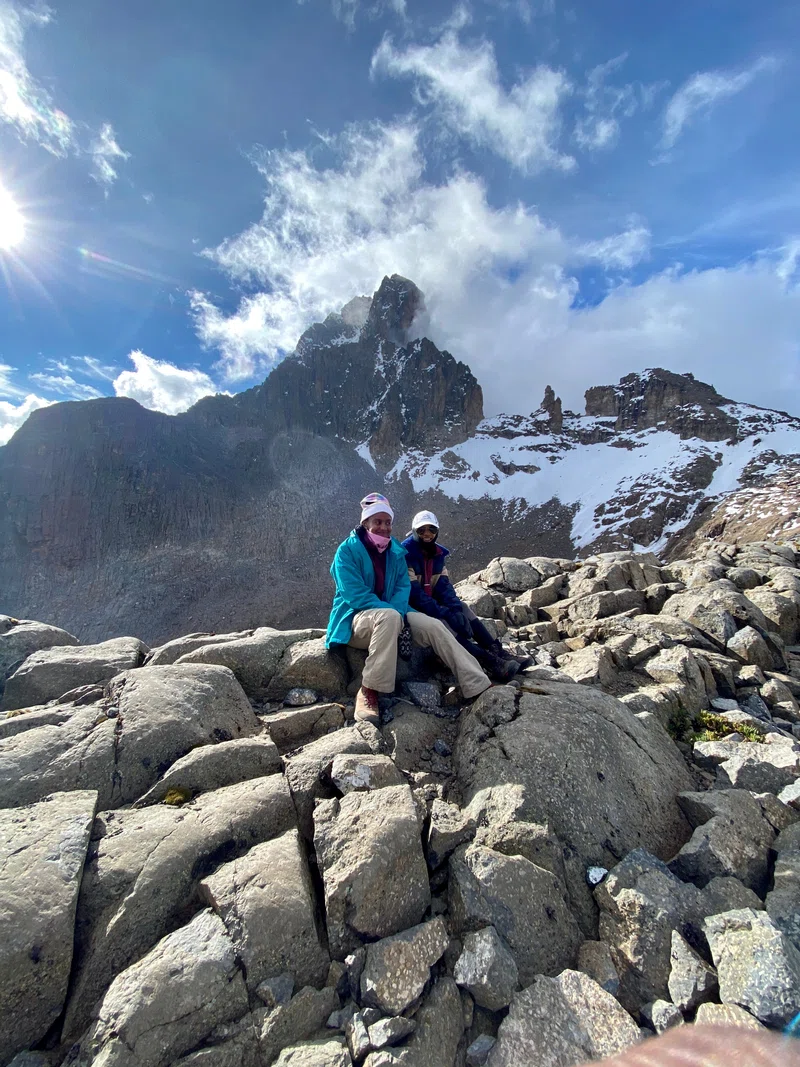
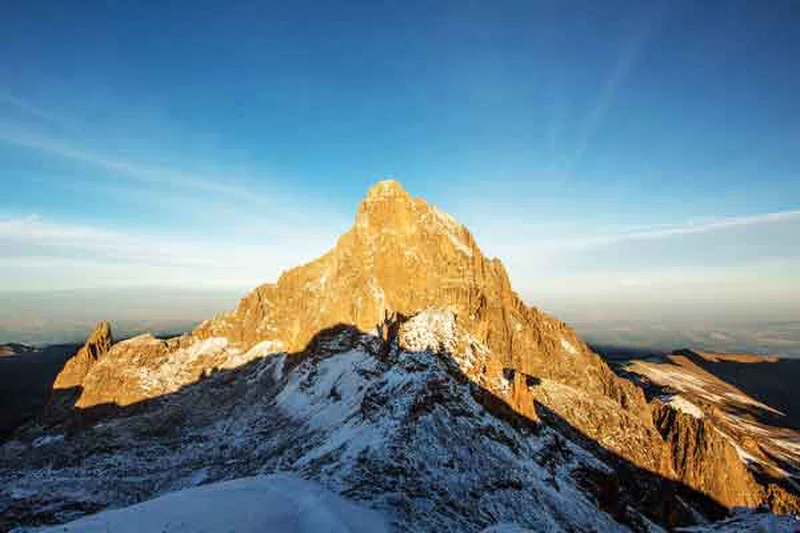
Point Lenana is the third-highest peak of Mount Kenya, Africa's second-highest mountain, situated approximately 150 kilometers north-northeast of Nairobi, Kenya, just south of the equator. Standing at an elevation of 4,985 meters (16,355 feet) above sea level, it is a prominent feature within the Mount Kenya National Park, a UNESCO World Heritage Site. Unlike the two higher peaks, Batian and Nelion, Point Lenana is accessible to trekkers without requiring technical climbing skills, making it a popular destination for those seeking a challenging yet achievable high-altitude experience. The ascent typically involves navigating scree and rocky paths, which can become snow-covered, particularly near the Lewis Glacier.The journey to Point Lenana traverses diverse ecological zones, starting from fertile farmlands at the mountain's base, ascending through dense montane forests, bamboo belts, and heathlands, before reaching the unique Afro-alpine zone. This high-altitude environment is characterized by specialized flora such as giant lobelias and senecios, adapted to extreme temperature fluctuations. From the summit, trekkers are rewarded with breathtaking panoramic views of the surrounding landscape, including the more formidable peaks of Batian and Nelion, and on exceptionally clear days, distant glimpses of Mount Kilimanjaro and even the Indian Ocean. The terrain is sculpted by ancient glacial activity, featuring U-shaped valleys and numerous streams that contribute to major Kenyan river systems.The lower slopes and forests of Mount Kenya are rich in wildlife, hosting various species including elephants, buffalo, bushbuck, baboons, and monkeys. Predators such as hyenas and leopards are also present. At higher altitudes, the Mount Kenya hyrax and common duiker are notable inhabitants, with leopards occasionally observed in the alpine zone. Birdlife is also diverse, with sunbirds, alpine chats, starlings, and raptors like the augur buzzard and Verreaux's eagle contributing to the ecosystem. Point Lenana holds cultural significance, being named after a Maasai Laibon, and Mount Kenya itself is revered by local ethnic groups as the dwelling place of their deity, Ngai. Historically, it is also the site where Kisoi Munyao famously raised the Kenyan flag upon the nation's independence in 1963.
Quick Info
Own this place?
Claim it to manage photos, respond to visitors, and promote it to travelers.
Claim this listing →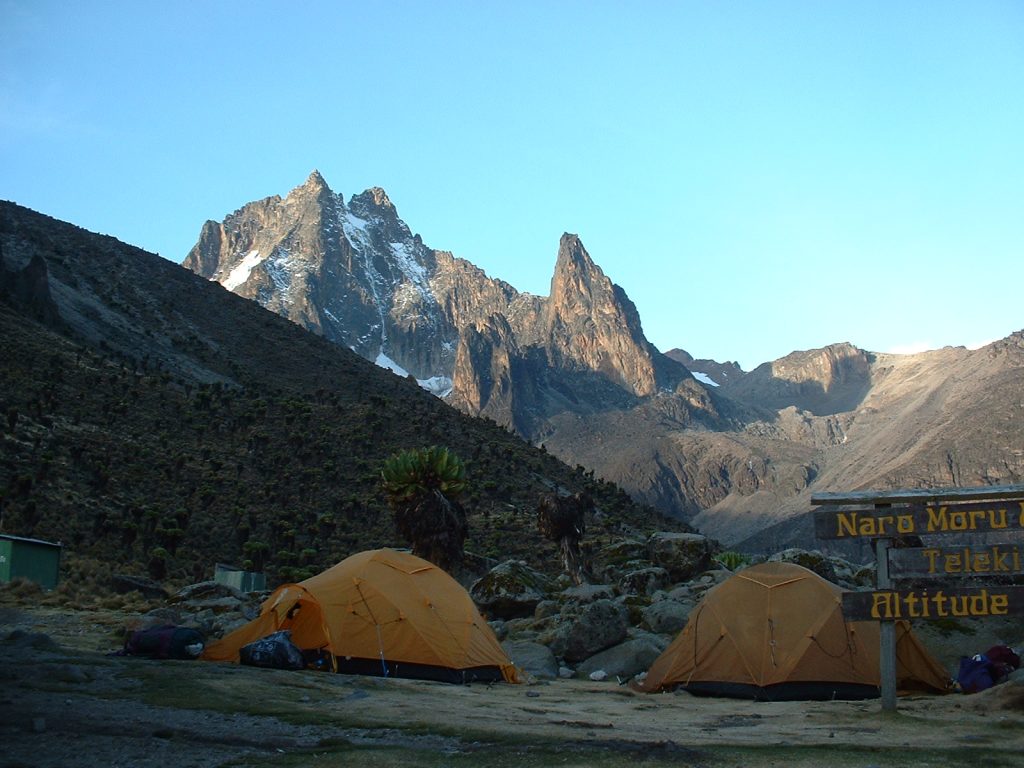


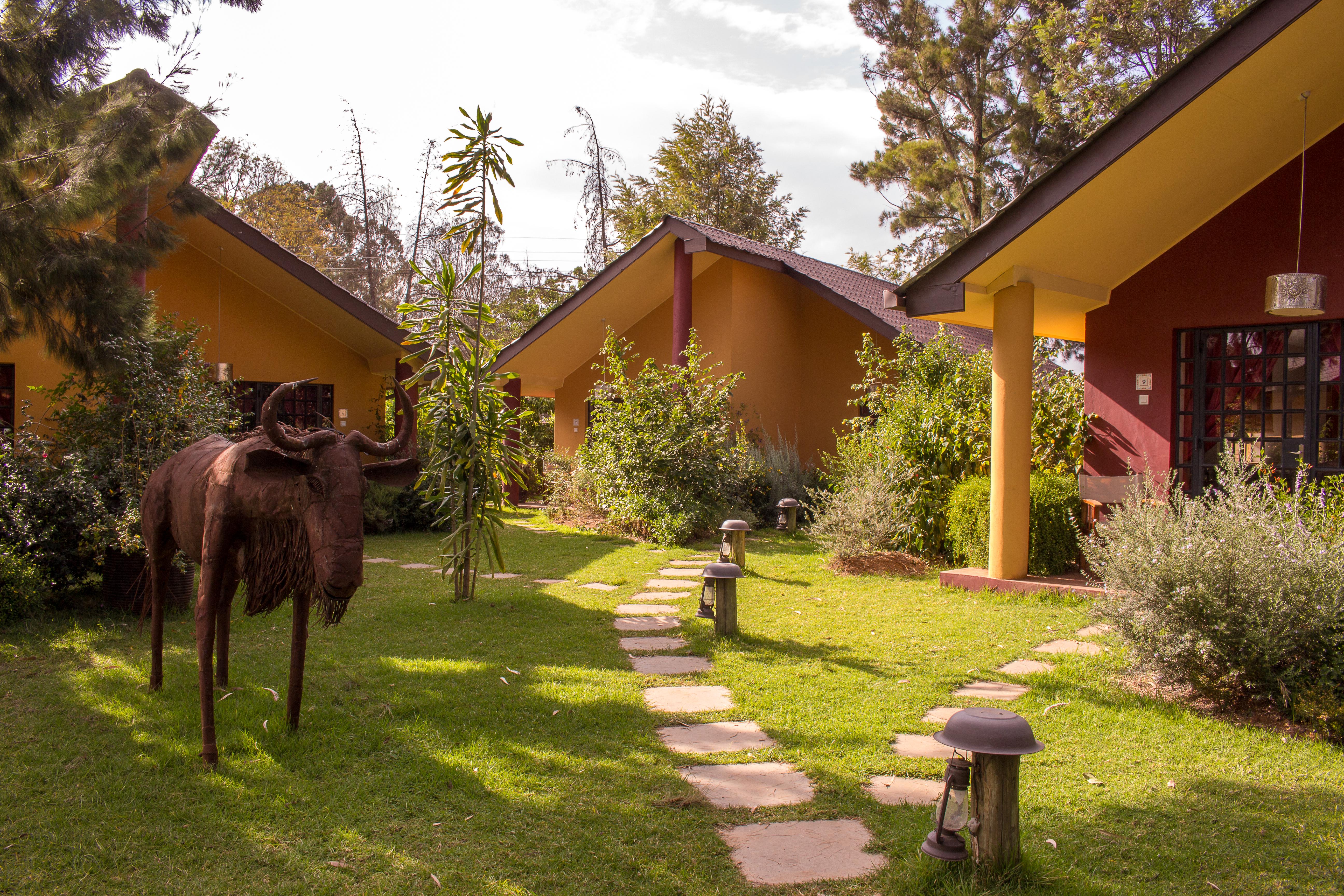
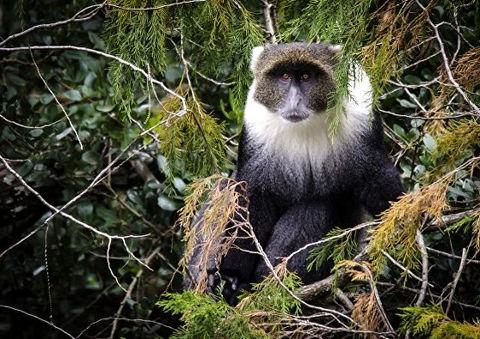


5-Day Mt Kenya Trekking Sirimon Gate down Chogoria
0.0 km away
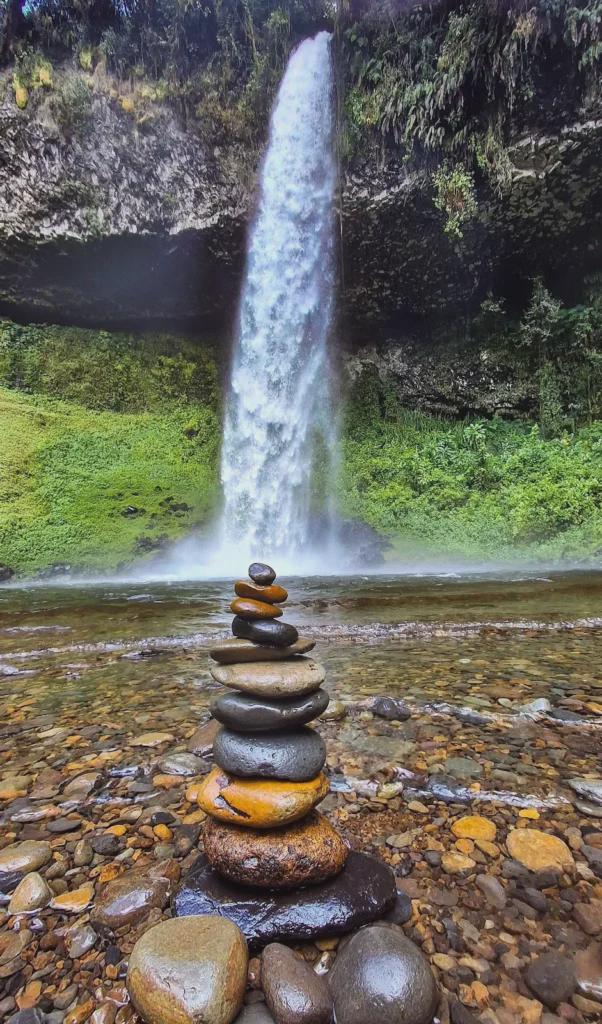
7-Day Mt Kenya Hike & Samburu Safari – Summit Then Safari
0.0 km away
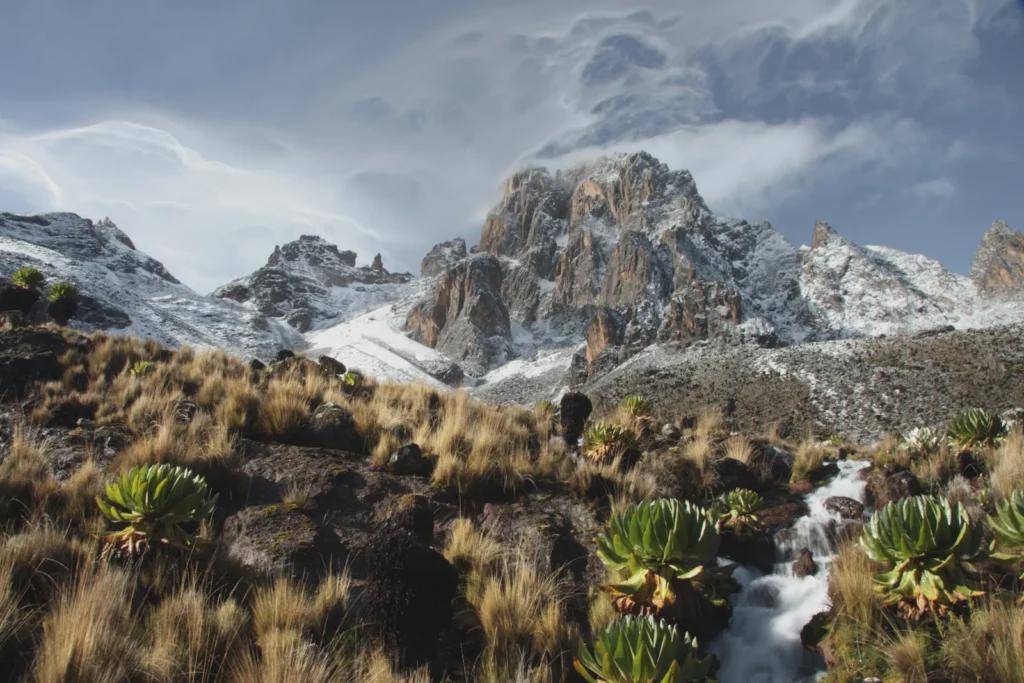
5-Day Mt Kenya Trek & Ol Pejeta Safari
0.0 km away

3-Day Walking Safari Laikipia – Track Wildlife on Foot in Kenya
0.0 km away

3 Days Sweetwaters Ol Pejeta Conservancy Camping Safari
0.0 km away
4-Day Immersive Safari Adventure at Tambarare Camp
0.0 km away
Weather & Rainfall Patterns
Station: 2n375e · 26.6 km away · 1903m