
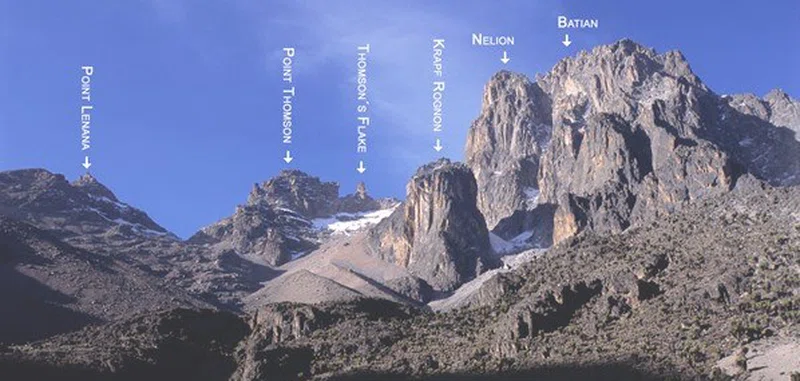
Batian Peak
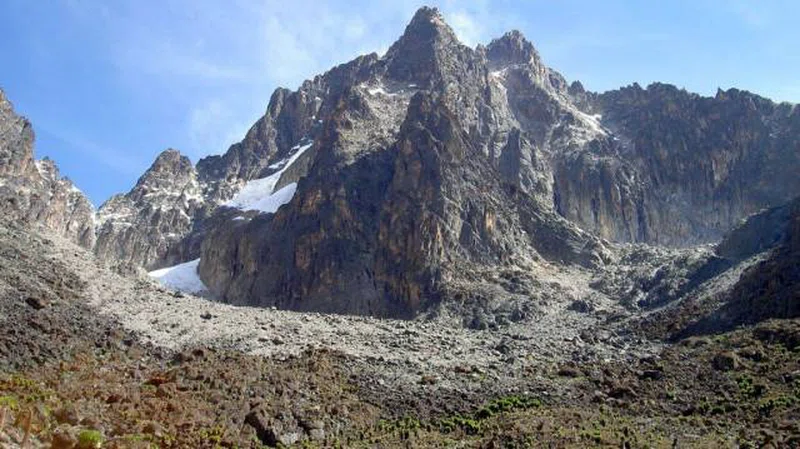
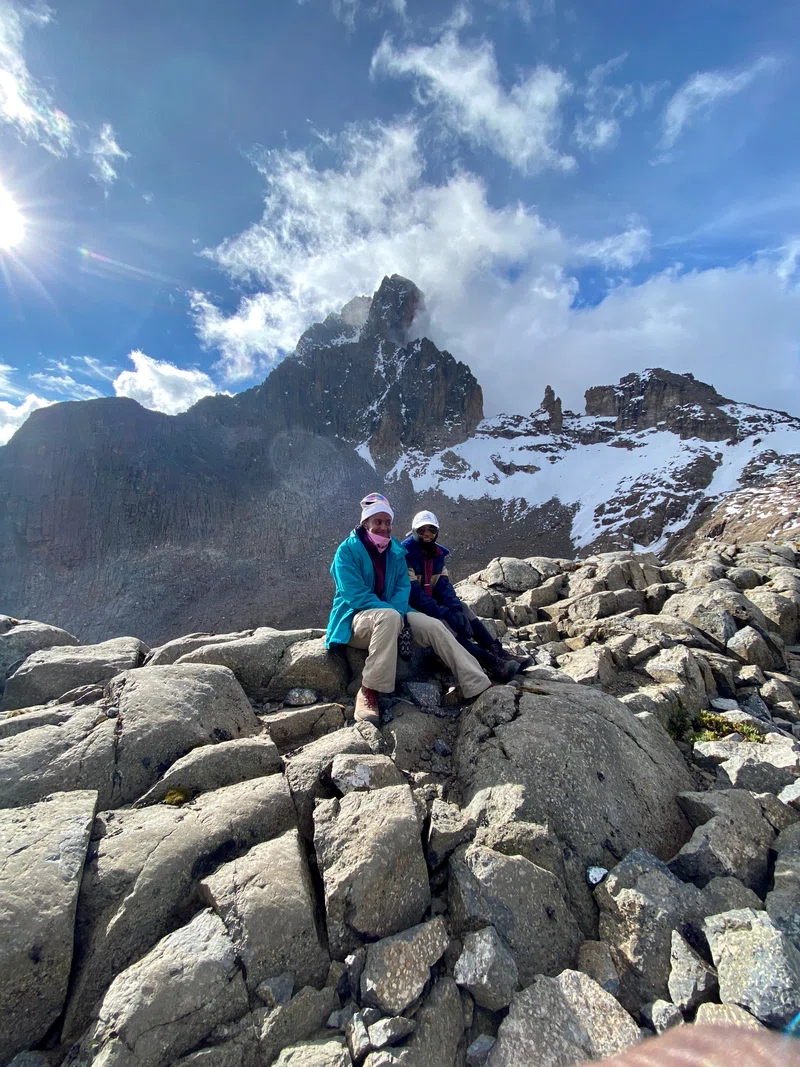
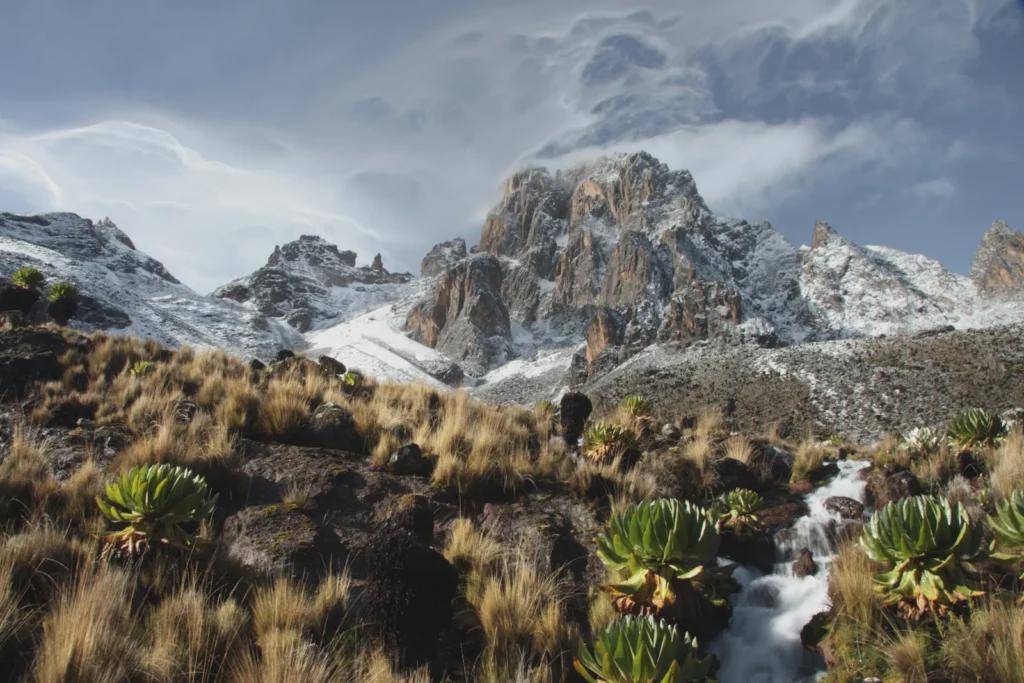
Batian Peak is the highest point of Mount Kenya, standing at 5,199 meters (17,057 feet) above sea level, making it the second-highest mountain in Africa after Mount Kilimanjaro. Located just 16.5 kilometers south of the equator, approximately 150 kilometers north-northeast of Nairobi, Batian is one of Mount Kenya's three main peaks, alongside Nelion (5,188 m) and Point Lenana (4,985 m). The mountain itself is an extinct stratovolcano, formed about 3 million years ago, and its central peaks, including Batian, are volcanic plugs that have resisted glacial erosion.The area surrounding Batian Peak is protected within Mount Kenya National Park, established in 1949 and designated a UNESCO World Heritage Site in 1997 for its outstanding natural beauty and ecological significance. The park is a critical sanctuary for endangered species and serves as a primary water tower for the region, feeding major rivers like the Tana and Ewaso Nyiro North. The mountain exhibits distinct altitudinal ecological zones, ranging from fertile farmlands at its base to dense montane forests, bamboo belts, heathlands, and the Afro-alpine zone, culminating in the nival zone near the glaciers. This diverse environment supports a variety of wildlife, including elephants, buffalo, various monkey species, antelopes, tree hyrax, porcupines, and predators like leopards and hyenas. Unique flora, such as giant lobelias and senecios, are adapted to the extreme Afro-alpine conditions.Climbing Batian Peak is a demanding technical challenge, requiring advanced rock climbing skills, rope work, and significant altitude acclimatization. Unlike Point Lenana, which is accessible to trekkers, Batian and Nelion involve multi-pitch rock climbing, with routes graded UIAA IV+ to V+. The two main climbing seasons are January to mid-March for the South-East Face (Normal Route via Nelion, involving a traverse across the "Gate of the Mists" to Batian) and July to mid-September for the North Face Standard Route (a direct ascent to Batian). The rock is primarily syenite and nepheline-rich phonolite, offering good friction for climbing. The peak holds cultural significance for local communities like the Kikuyu, Embu, Ameru, and Maasai, who revere Mount Kenya as a sacred place and the dwelling of their deities. The name Batian itself commemorates Mbatian, a revered Maasai Laibon (spiritual leader).
Quick Info
Own this place?
Claim it to manage photos, respond to visitors, and promote it to travelers.
Claim this listing →
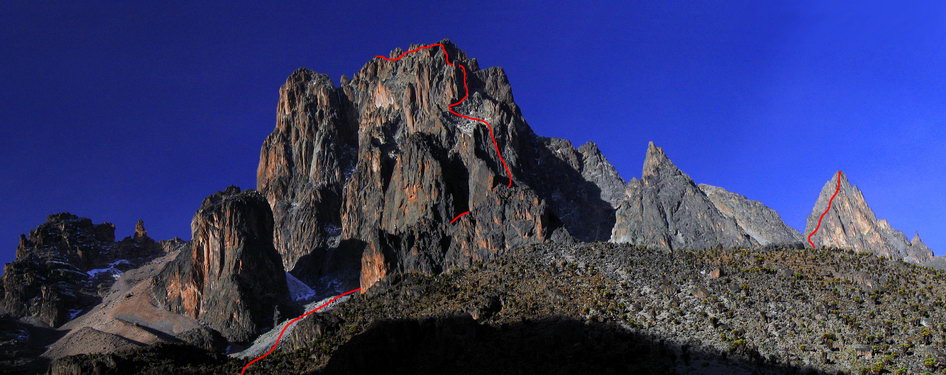
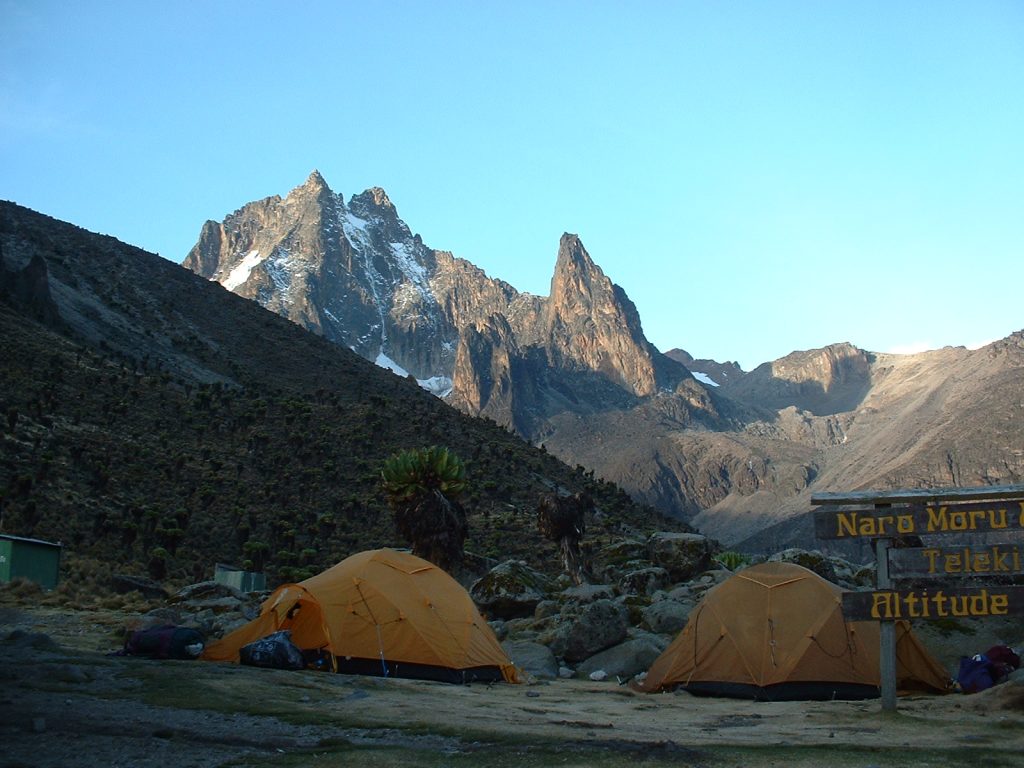


5-Day Mt Kenya Trekking Sirimon Gate down Chogoria
0.0 km away
7-Day Mt Kenya Hike & Samburu Safari – Summit Then Safari
0.0 km away
5-Day Mt Kenya Trek & Ol Pejeta Safari
0.0 km away

3-Day Walking Safari Laikipia – Track Wildlife on Foot in Kenya
0.0 km away

3 Days Sweetwaters Ol Pejeta Conservancy Camping Safari
0.0 km away
4-Day Immersive Safari Adventure at Tambarare Camp
0.0 km away
Weather & Rainfall Patterns
Station: 2n375e · 27.2 km away · 1903m