
Lake Ziway
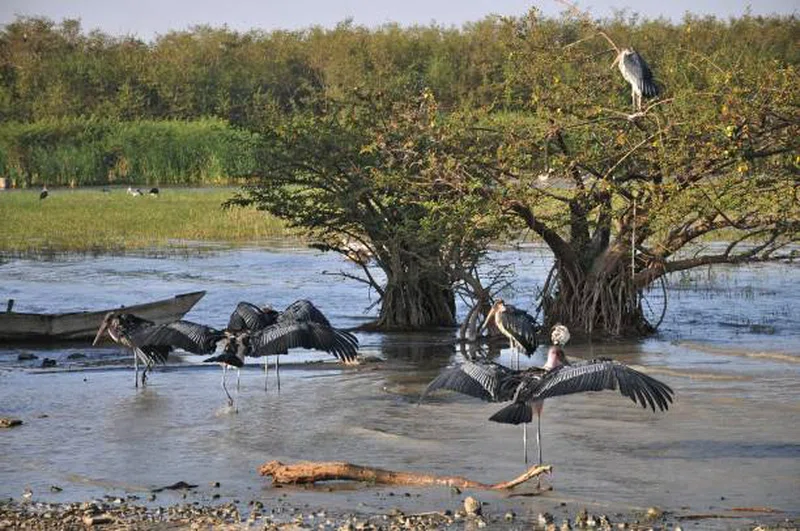
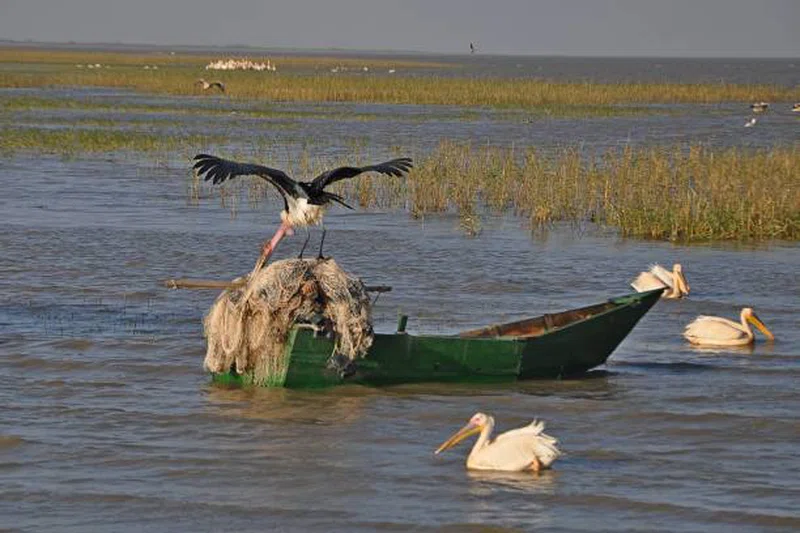
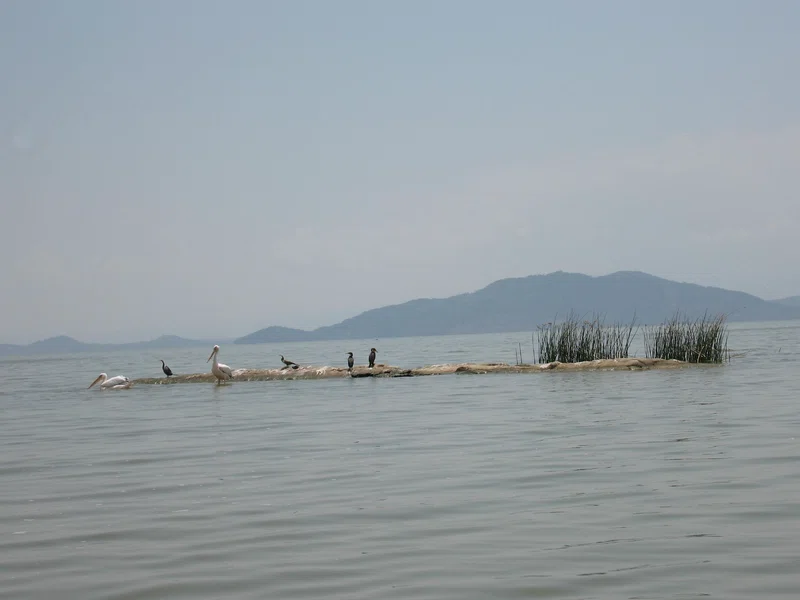
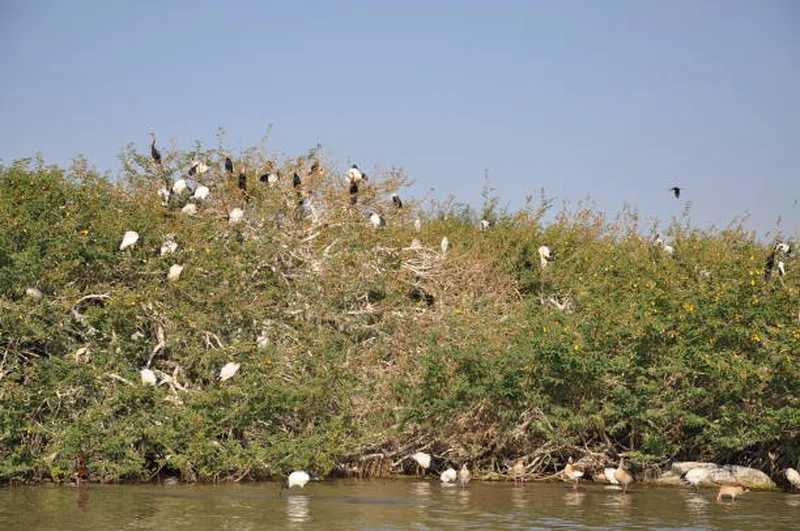
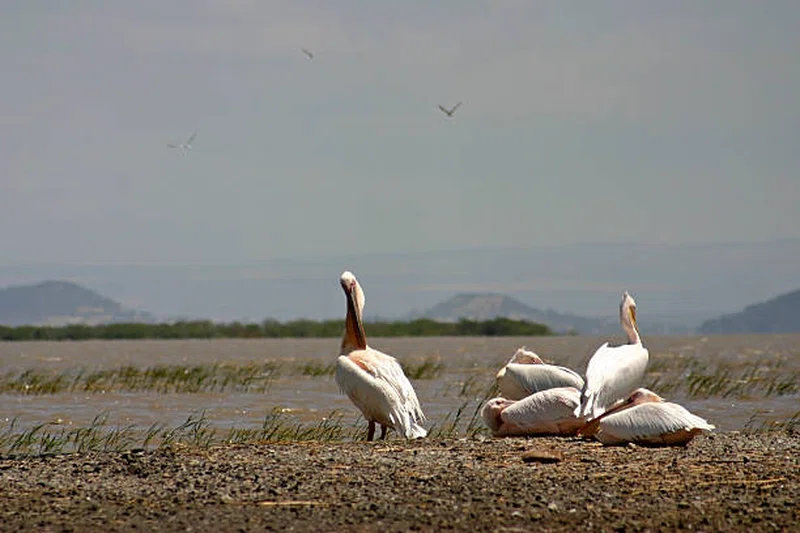
Lake Ziway, also known as Hora-Dambal or Lake Batu, is a significant freshwater Rift Valley lake in Ethiopia, located approximately 160 kilometers south of Addis Ababa at an elevation of 1,636 meters above sea level. It covers a surface area of 434 to 440 square kilometers, with a shoreline stretching 137 kilometers, and its watershed encompasses 7,025 to 7,300 square kilometers. The lake is primarily fed by the Meki River from the northwest and the Katar River from the southeast, and it drains into Lake Abijatta via the Bulbula River. The lake is relatively shallow, with a maximum depth of 9 meters, and features five islands: Tulu Gudo, Tsedecha, Gelila, Funduro, and Debre Sina.Lake Ziway is a vital ecological and economic resource, renowned for its rich biodiversity. It hosts approximately 50 percent of Ethiopia's bird species, including various waders, cormorants, ducks, herons, cranes, and geese, and is home to a notable population of hippopotamuses. The lake sustains a thriving fishing industry, with an annual catch of about 2,454 tonnes of fish, predominantly Tilapia nilotica, which supports local livelihoods and supplies major markets. Local communities engage in fishing, animal husbandry, and gathering reeds for handicrafts. For visitors, popular activities include boat trips to observe hippos and birds, and excursions to the historical monasteries located on the islands.The lake holds considerable historical and cultural importance. Its islands, particularly Tulu Gudo, are significant as they are believed to have provided refuge for the Ark of the Covenant around the ninth century. The Zay people, who inhabit these islands, have preserved their Christian faith and ancient manuscripts, maintaining a unique cultural heritage. Lake Ziway is also central to various cultural and spiritual practices, such as the annual Epiphany festival and Irreecha, an Oromo thanksgiving holiday, where traditional rituals involve scattering green grass and flowers in the lake's waters.Despite its immense value, Lake Ziway faces severe environmental challenges. Intensive water extraction for commercial flower farms, agricultural irrigation, and the drinks industry, combined with reduced rainfall and rising temperatures due to climate change, has led to a significant decline in the lake's water level. Furthermore, pollution from agrochemical runoff and untreated wastewater discharge from surrounding industries and urban areas contributes to water quality deterioration, resulting in eutrophication and infestations of invasive species like water hyacinth. These environmental pressures threaten the lake's delicate ecosystem, its biodiversity, and the long-term sustainability of the livelihoods it supports.
Quick Info
Own this place?
Claim it to manage photos, respond to visitors, and promote it to travelers.
Claim this listing →





2-Day Abijatta Shalla National Park Tour
0.1 km away
Weather & Rainfall Patterns
Station: 80n388e · 17.5 km away · 1636m