

Mount Nyangani
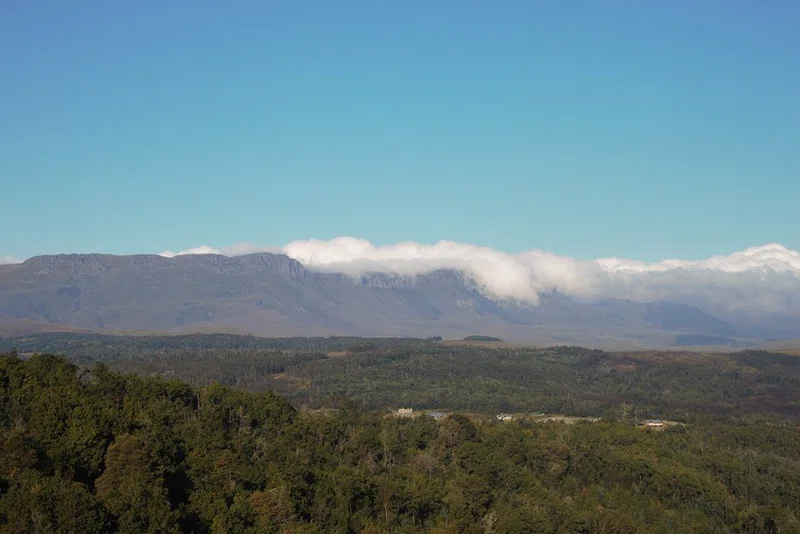
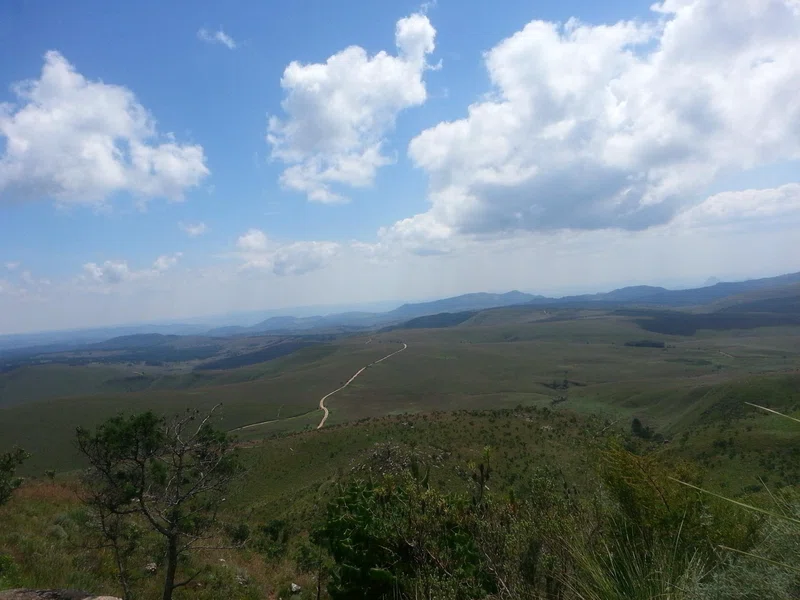
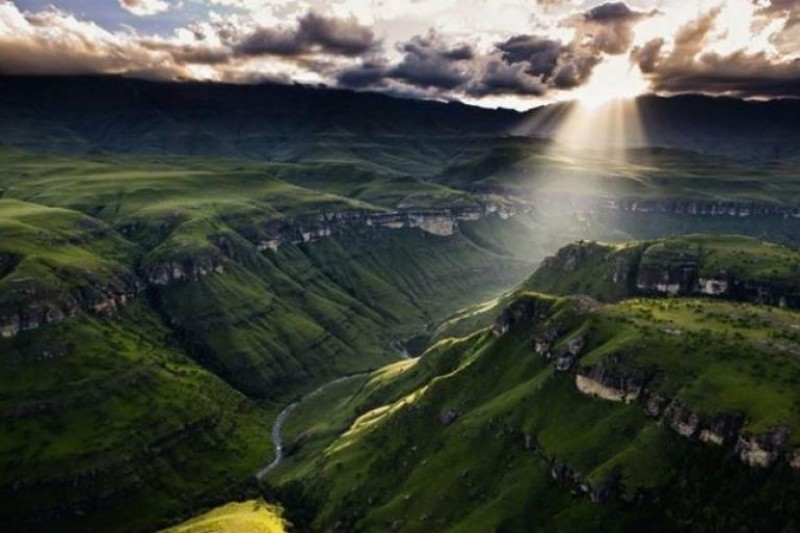
Mount Nyangani, formerly known as Mount Inyangani, is the highest mountain in Zimbabwe, reaching an elevation of 2,592 meters (8,504 feet). It is centrally located within Nyanga National Park in the Nyanga District of Zimbabwe's Eastern Highlands, approximately 110 km (68 mi) north-northeast of Mutare. The summit itself is a small rock outcrop about 40 meters (130 feet) above a broad moor of rolling hills and plateau, spanning an area of about 8 km². The plateau's edges drop steeply to the east and west. The mountain's vegetation primarily consists of heath around the summit plateau, with evergreen forests on the wetter eastern slopes and grasslands on the western side. Annual rainfall is high, around 2,200 millimeters (87 inches), though dry spells occur from May to August. Snowfall is very rare, with the last recorded instance in August 1935.Three rivers originate from Mount Nyangani: the Nyamuziwa River, the Kairezi (Gairezi) River, and the Pungwe River. The Nyamuziwa and Kairezi are tributaries of the Mazowe River. Notable fauna in the area include the clawless otter in the upper Gairezi River and the endangered Inyangani river frog, named after the mountain. The region is also home to zebra and various antelope species such as waterbuck, wildebeest, klipspringer, kudu, and eland, with leopards, hyenas, and occasional lions present as predators. Endemic flora includes Protea asymmetrica (Inyanga sugarbush) and Afrosciadium rhodesicum, a species of flowering carrot.Hiking to the summit is a popular activity, typically taking 1-3 hours for those of average fitness. The main access point is the Tourist Path from the official car park within Nyanga National Park. However, hikers are advised to exercise caution due to rapid weather changes, which can quickly bring thick fog and reduce visibility, leading to disorientation and potential fatalities. Local beliefs among the Manyika people consider the mountain a sacred highland area, with legends of a vindictive spiritual presence responsible for disappearances. There are also archaeological findings of Iron Age ruins on Little Nyangani and a hill west of the summit.
Quick Info
Own this place?
Claim it to manage photos, respond to visitors, and promote it to travelers.
Claim this listing →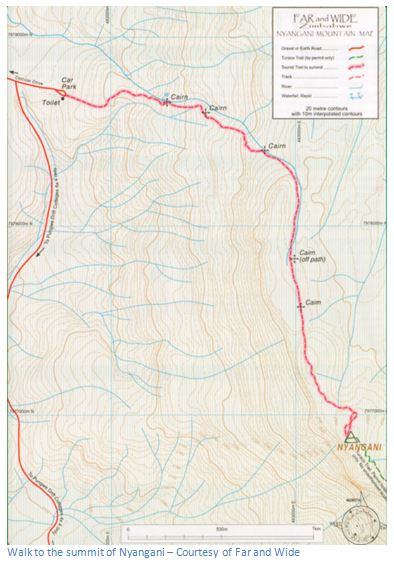


Weather & Rainfall Patterns
Station: 183s328e · 28.2 km away · 2114m